Grains
Alfalfa
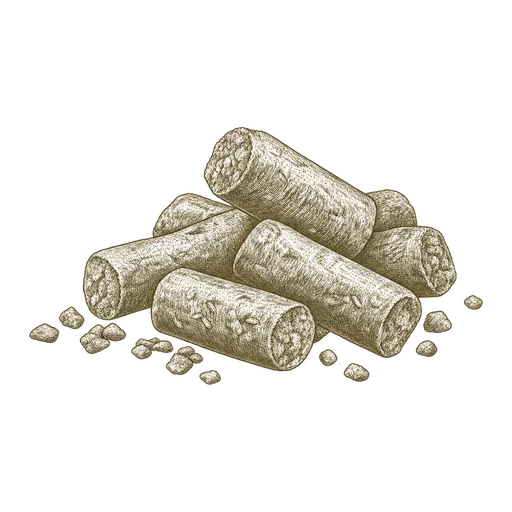
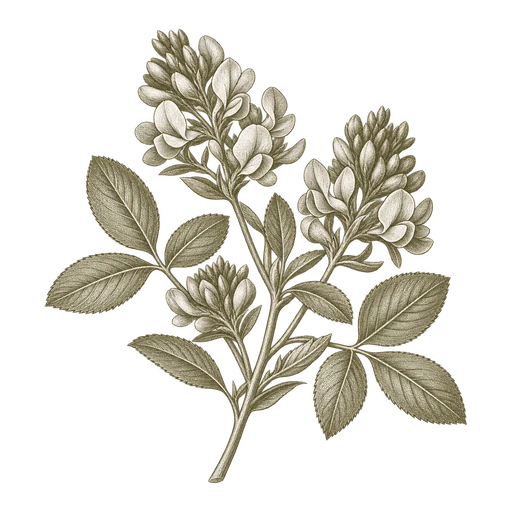
Alfalfa is a forage legume sourced as hay, silage, meal or pellets for livestock feed. Match the form to receiving and ration needs, then compare a lot-specific analysis on a consistent basis.
Explore ingredientCompare pork meal offers by reading declared identity and source materials alongside lot analysis. Bone status, mineral measures and moisture basis all matter; matching the reporting basis is essential before comparing nutrient values.
A nutrient panel can describe a pork meal lot, but it cannot by itself tell you exactly what materials were used to make it. Begin with the offer’s full ingredient name and its declared source materials. Ask whether bone is included, and distinguish a product described simply as pork meal from one identified as pork meat and bone meal or another defined category.
Those names should not be treated as interchangeable by default. Ingredient terminology and category criteria can depend on the governing definitions for the intended market and use. Check the applicable current definition, then compare the supplier’s declared identity with it. If the offer uses a broad or unfamiliar term, request a clear description of the source materials rather than inferring composition from the product name.
Protein and fat help characterize the lot’s major nutrient components, while moisture is necessary for interpreting the reported values. Ash represents the mineral residue measured by the stated analytical method. Calcium and phosphorus add useful detail about mineral composition, particularly when the question is whether bone-containing material is included.
Bone inclusion can affect ash, calcium and phosphorus, but no single result proves ingredient identity. Protein alone does not establish whether bone is present, and mineral values should not replace a declared source-material description. Read the identity and analysis together: the declaration describes what the ingredient is; the lot results describe measured characteristics of that sample.
An as-is value describes the product as sampled, including its moisture. A dry-matter value expresses the nutrient relative to the portion remaining after moisture is excluded. These are different denominators, so two protein figures are not directly comparable if one is reported as-is and the other on a dry-matter basis.
For a conversion using percentages, dry-matter concentration equals the as-is concentration divided by the dry-matter fraction, then multiplied by 100. The dry-matter fraction is 100 minus the moisture percentage, divided by 100. Use moisture and nutrient results from the same lot and make sure the report identifies its basis. If moisture is not provided, or the basis is unclear, the values cannot be reliably reconciled.
The same basis discipline applies to fat, ash, calcium and phosphorus. A comparison spreadsheet should record the stated basis beside each result, not just the number. This prevents a difference caused by moisture from being mistaken for a difference in the ingredient itself.
Ash, calcium and phosphorus provide complementary information rather than redundant measurements. Ash gives a broad measure of mineral residue; calcium and phosphorus identify two specific mineral components. If bone content matters to your formulation or purchasing specification, compare these results together and against the declared ingredient identity.
A calcium-to-phosphorus relationship can help characterize the mineral profile, but it does not independently verify source materials or category. Ask for the analytical method, reporting basis and lot identification when those details are needed for a sound comparison. The values should be evaluated against your formulation needs and the applicable ingredient definition—not against an assumed universal pork meal profile.
A useful comparison records the exact product name, declared source materials and whether bone is included; protein, fat, moisture, ash, calcium and phosphorus; the basis for each result; and the method or report context needed to interpret the analysis. Also make sure each analysis corresponds to the lot being offered, rather than comparing a lot result with a general product description.
Once identity and reporting basis align, you can assess whether the lot fits your formulation and purchasing limits. For a sourcing discussion, start with the [Pork Meal ingredient page](/ingredients/pork-meal) and specify the required identity, bone status and analysis basis. Exact terminology and any category-specific criteria should be checked against the current rules governing your intended market.
No. Protein is one part of the lot’s nutrient profile, but it does not establish the source materials or confirm bone inclusion. Use the declared ingredient identity and source-material description, with ash, calcium and phosphorus as supporting analytical information.
The results may use different reporting bases. An as-is value includes moisture in the product weight; a dry-matter value excludes moisture. Compare values only after confirming the basis and, when converting, using the moisture result for the relevant lot.
No. Ash measures mineral residue, not ingredient identity. Calcium and phosphorus add detail about mineral composition, but the declared source materials and applicable ingredient definition are needed to establish what the product is.
Focused guides to the specification, application, and delivery questions behind this ingredient.
Plan a pork meal order around your facility’s quantity, receiving equipment, acceptable product form and storage conditions. Request lot-specific moisture and handling information before arranging delivery.
Read this InsightPork meal can contribute protein and energy to swine diets, but its formulation value depends on the offered meal’s identity, bone-related mineral profile and analysis. Compare lot-relevant data on a consistent basis rather than assuming a research sample or generic matrix describes every product.
Read this InsightAlfalfa is a forage legume sourced as hay, silage, meal or pellets for livestock feed. Match the form to receiving and ration needs, then compare a lot-specific analysis on a consistent basis.
Explore ingredientAlfalfa meal is ground forage used in animal feed, with sun-cured and dehydrated processing routes and meal or pellet forms. Compare the offered process, physical form and analysis against the needs of the species and feed formulation.
Explore ingredientAlfalfa pellets are ground, compressed forage used in livestock feeding and compound feeds. Compare the drying process, alfalfa material, forage analysis and pellet characteristics to choose a form that fits your ration and receiving setup.
Explore ingredientAlmond hulls are the dried outer layer of the almond fruit, sourced for ruminant feed as hull-only material or as a hull-and-shell mixture. Compare the lot’s composition, physical form, and handling needs before arranging a bulk shipment.
Explore ingredient