Grains
Alfalfa
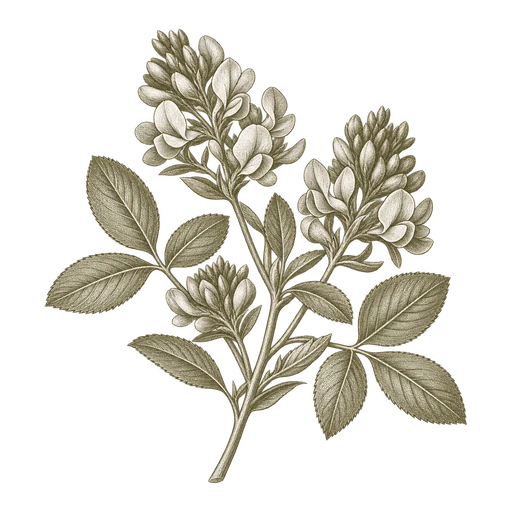
Alfalfa is a forage legume sourced as hay, silage, meal or pellets for livestock feed. Match the form to receiving and ration needs, then compare a lot-specific analysis on a consistent basis.
Explore ingredientPlan a bulk oat flour order around your facility's quantity needs, receiving equipment and dry storage space. Verify the offered packaging and lot-specific handling guidance before arranging delivery.
A workable bulk oat flour order begins with the details that determine whether your site can receive and store it: the quantity needed, delivery destination, target timing and packaging your operation can handle. Oat flour is milled oats supplied as a dry flour, but the package and shipment format are specific to the offer. Do not assume that a particular bag, tote or bulk delivery option is standard.
Start with your expected usage and the amount your plant can receive at one time. State the quantity and unit clearly, then give the delivery address and the time window that suits your production schedule. If you are planning a recurring purchase, distinguish the initial order from the expected cadence; that helps a broker discuss an arrangement that matches actual demand rather than an assumed shipment pattern.
Packaging preference should reflect your equipment and workflow. Consider where material will be staged, how it will move from receiving to storage, and whether your team can handle the offered package without repacking. If you can accept more than one format, identify the alternatives rather than naming a format your facility cannot manage.
Packaging is a plant-level decision as much as a purchasing preference. Before requesting a quote, identify how material is unloaded, what lifting or transfer equipment is available, and where packages can be placed without blocking production or access routes. These details help determine whether a proposed package can move through your receiving process safely and efficiently.
Describe your site's practical constraints: receiving hours, dock or access limitations, package-handling equipment, and any requirements for advance scheduling. Do not presume a particular delivery mode, package size or load configuration. Those details depend on the specific offer and need to be reconciled with your facility before an order is arranged.
For packaged product, ask what package format is being offered and how it is protected in transit. For any proposed bulk-handling arrangement, establish what receiving equipment and transfer connections are needed. The useful question is not simply whether oat flour can be supplied in a preferred format, but whether the offered format can be unloaded, staged and moved into your process with the equipment you actually have.
Oat flour is a dry milled ingredient, so moisture protection matters during receiving and storage. Exposure to damp conditions can compromise the dry condition expected of a flour and can make handling less predictable. Keep the storage plan focused on a clean, dry area and avoid leaving opened or damaged packages exposed to moisture, dust or other contaminants.
Plan where the material will be stored before it arrives. The space should accommodate the offered packaging while keeping packages protected from water, spills and contamination. Establish how opened packages will be closed or otherwise protected between uses, and keep handling practices consistent with the package and lot-specific storage guidance.
Do not assume a fixed shelf life or storage limit from the ingredient name alone. The appropriate guidance depends on the offered lot and its packaging. Request the applicable storage instructions for the product being quoted, and make sure your team can follow them under the conditions at your facility.
Before an order is finalized, review the offered product identity and the lot-specific information that affects acceptance and storage. Ask for the applicable product description and analysis, along with any handling or storage guidance supplied for that lot. These records let your quality team compare the offer with your plant's requirements rather than relying on a generic description of oat flour.
At arrival, inspect the package condition before moving the material into storage. Look for tears, punctures, open seals, visible moisture or other damage that could expose the flour to contamination. Compare the received product and its lot identification with the purchasing and receiving records, and document any discrepancy through your normal receiving process.
Package integrity is especially relevant when the material will be stored before use: a damaged or unsealed package can undermine the protection your storage area is designed to provide. Agree internally on who checks the shipment, what condition is acceptable and how concerns are recorded, so the handoff from procurement to receiving is clear.
A concise request should state the oat flour quantity and unit, delivery destination, required timing, preferred packaging and acceptable alternatives. Add your unloading method, receiving constraints and any storage or product requirements that affect whether an offer will work. Include the quality information your team needs to review, and request applicable lot-specific package and storage details before committing.
Commercial terms such as packaging availability, minimum order, timing and freight depend on the specific offer and destination. Providing complete receiving information early helps the broker assess the request without implying a standard package, delivery method or shipment size.
For product details and a sourcing request, visit the [Oat Flour ingredient page](/ingredients/oat-flour).
Give the quantity and unit, delivery destination, target timing, packaging preference and receiving constraints. Include the unloading equipment available at your site and any quality or storage requirements that affect acceptance.
The available packaging depends on the specific offer; no one format should be assumed. State which formats your facility can receive and ask what package is offered before planning unloading or storage.
Request the applicable storage guidance for the offered lot and packaging. Plan for a clean, dry storage area, protect packages from moisture and contamination, and inspect package integrity when the shipment arrives.
Focused guides to the specification, application, and delivery questions behind this ingredient.
A practical formulation guide to evaluating oat flour’s grind, hydration, flavor and structural effects in batters and baked goods.
Read this InsightCompare oat flour by its finished-flour particle-size profile, test method, processing history and analysis basis. These details help buyers judge how a flour may blend, disperse and contribute to texture without treating a nominal grind or grain analysis as a complete specification.
Read this InsightAlfalfa is a forage legume sourced as hay, silage, meal or pellets for livestock feed. Match the form to receiving and ration needs, then compare a lot-specific analysis on a consistent basis.
Explore ingredientAmaranth can be sourced as grain, leaf meal or whole-plant forage, and those forms are not interchangeable in feed formulation. Specify the plant material, species and processing method, then compare lot analysis suited to the intended animal and use.
Explore ingredientBarley is a cereal grain used in cattle feed, malting, food and industrial processing. Whole and processed forms serve different needs; identify the intended use, processing state and receiving requirements when sourcing a bulk order.
Explore ingredientBrewers rice is a broken-rice milling fraction used in brewing, fermented products and animal feed. Compare broken, granulated or ground forms and review lot-specific physical and analytical details before sourcing in bulk.
Explore ingredient