Grains
Alfalfa
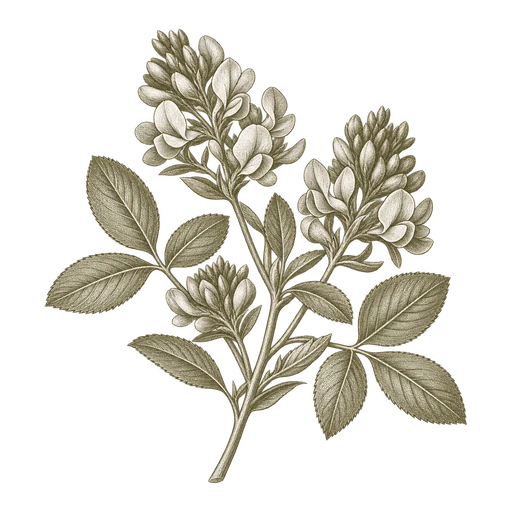
Alfalfa is a forage legume sourced as hay, silage, meal or pellets for livestock feed. Match the form to receiving and ration needs, then compare a lot-specific analysis on a consistent basis.
Explore ingredientSpecies and raw-material descriptions give context for fish meal analysis, but meaningful comparisons also require protein, lipid, ash and moisture values reported on a consistent as-fed or dry-matter basis.
A protein figure is useful only when you know what material it describes. Fish meal identified by a single species gives a more specific raw-material description than a mixed-species meal, but neither label alone establishes composition or suitability. Species, the parts of the fish used, and processing all provide context for interpreting an analysis.
Whole-fish inputs and processing residues are also different descriptions. Residues from seafood processing can include different combinations of parts than whole-fish raw material. Those inputs can affect the proportions of protein, lipid and mineral matter in the finished meal. The labels help explain why two fish meals might analyze differently; they do not, by themselves, predict a particular result.
A single-species description narrows the stated source identity. A mixed-species description indicates that more than one fish type may contribute. For a buyer comparing offers, this distinction can matter where a formula, purchasing standard or customer requirement calls for a defined source description. It should not be treated as a substitute for measured composition.
The distinction between whole fish and processing residues adds another layer. The input mix can influence how much of a meal’s composition comes from muscle, oil-bearing tissue, bone or other material. Consequently, protein, lipid and ash results may differ. The direction and size of any difference depend on the actual inputs and processing, so avoid assuming that a source label guarantees a higher protein value or a specific ash level.
Protein is central to many feed formulations, but a protein result should be read alongside the other reported measures. Lipid indicates the meal’s fat content, which can be relevant to the energy contribution and handling requirements of a formulation. Ash represents the mineral residue measured in the sample; it can provide context about mineral-rich material, including bone, but does not identify the source on its own.
Moisture changes how concentrated every other constituent appears when results are reported as received. A meal with more water has less dry matter per unit of delivered weight. For that reason, comparing protein alone can obscure differences in moisture or in the relative contribution of lipid and ash. Buyers should also check which other analytical measures their formulation or purchasing specification requires rather than treating these four as a complete quality assessment.
As-fed results describe the ingredient in its received condition, including its moisture. Dry-matter results express the composition after moisture is excluded. Values on these two bases are not directly comparable: a dry-matter protein percentage will generally appear more concentrated than the same material’s as-fed percentage.
When documentation provides moisture and an as-fed nutrient result, a dry-matter comparison can be calculated by dividing the as-fed result by the dry-matter fraction. Use the moisture value from the same analysis and make sure the units and calculation basis are consistent. If one offer reports protein on a dry-matter basis and another reports it as-fed, convert to a common basis before deciding which is closer to a formulation target. Keep the original reported values visible so the comparison remains traceable.
For each offer, record the stated species description, whether the input is whole fish or processing residues, and the reported protein, lipid, ash and moisture values. Note the analytical basis for each value, including whether results are as-fed or dry matter. If a document does not identify the basis or raw material description clearly, the comparison is incomplete—not evidence that two meals are equivalent.
Use the same units, analytical basis and required measures across alternatives, then assess the values against the needs of the intended formulation. Lot documentation should identify the values being offered and their basis; exact composition is specific to the product and lot. Once those requirements are defined, visit the Fish Meal ingredient page to pursue sourcing with a clear, comparable specification.
No. A species description identifies the stated raw material but does not establish the finished meal’s protein content. Compare the actual analysis, input description and reporting basis.
As-fed results include the sample’s moisture, while dry-matter results exclude it. Moisture affects the concentration of protein and other constituents per unit of ingredient, so convert values to the same basis before comparing them.
Review lipid, ash and moisture alongside protein, and check that their units and analytical bases are clear. These measures add context to composition and help explain why meals with different raw-material descriptions may not be directly comparable.
Focused guides to the specification, application, and delivery questions behind this ingredient.
Plan fish meal receiving around the offered shipment format, site unloading capacity and dry, clean storage. Track lot identity, manufacture date and storage history without assuming a shelf life or shipment arrangement.
Read this InsightEvaluate fish meal for aquaculture diets by relating the offered lot’s composition to species and life-stage needs, the complete formula, and the feed manufacturing process.
Read this InsightAlfalfa is a forage legume sourced as hay, silage, meal or pellets for livestock feed. Match the form to receiving and ration needs, then compare a lot-specific analysis on a consistent basis.
Explore ingredientAlfalfa meal is ground forage used in animal feed, with sun-cured and dehydrated processing routes and meal or pellet forms. Compare the offered process, physical form and analysis against the needs of the species and feed formulation.
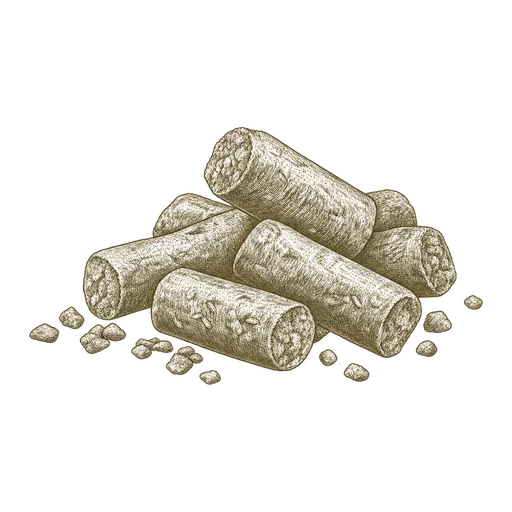
Explore ingredientAlfalfa pellets are ground, compressed forage used in livestock feeding and compound feeds. Compare the drying process, alfalfa material, forage analysis and pellet characteristics to choose a form that fits your ration and receiving setup.
Explore ingredientAlmond hulls are the dried outer layer of the almond fruit, sourced for ruminant feed as hull-only material or as a hull-and-shell mixture. Compare the lot’s composition, physical form, and handling needs before arranging a bulk shipment.
Explore ingredient