Grains
Alfalfa
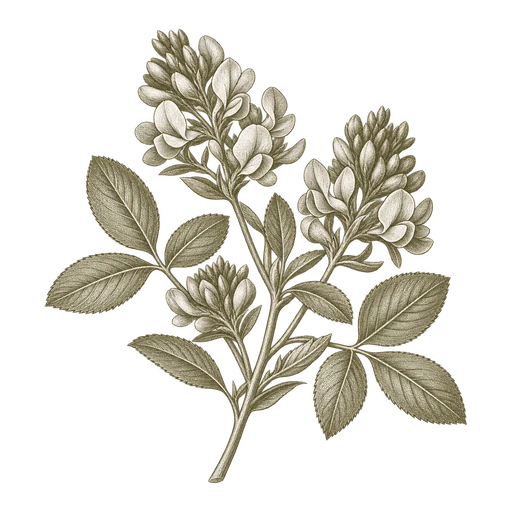
Alfalfa is a forage legume sourced as hay, silage, meal or pellets for livestock feed. Match the form to receiving and ration needs, then compare a lot-specific analysis on a consistent basis.
Explore ingredientPrepare to receive bulk dried molasses by confirming the actual formulation, packaging, unloading compatibility, destination details, and product-specific storage guidance before arranging delivery.
A receiving plan for bulk dried molasses should begin with the exact product, not assumptions based on its name. Ask the provider for the formulation and the identity of any carrier or other ingredients. These details matter because products sold as dried molasses can differ in composition and physical handling characteristics.
Request the product description and available quality information before choosing equipment or storage space. Confirm that the offered material matches the feed formulation your facility intends to use. If you are comparing offers, compare the same product details rather than treating every dried molasses product as interchangeable.
Tell the provider how your facility can receive the product: for example, whether it handles packaged material, or whether it requires a bulk delivery compatible with its equipment. Do not assume a particular bag, tote, or bulk format is available. Packaging options are product- and offer-specific and need to be established before you plan the delivery.
For packaged material, consider where units will be placed, how they will be moved into storage, and whether your handling equipment can manage them. For bulk receiving, describe the unloading connection and storage arrangement your facility can accept. Ask what packaging is proposed and whether it fits those constraints before finalizing the order.
Dried materials do not all move through equipment in the same way. Avoid assuming that dried molasses will flow, discharge, or convey like another ingredient you already handle. Ask the provider for handling guidance for the actual formulation and packaging, then compare it with your receiving equipment and operating procedure.
Share practical restrictions that could affect delivery: the destination address, access to the receiving area, unloading method, equipment connections, and any site rules or receiving hours relevant to the order. These details help identify a mismatch before a load arrives. If your facility has limits on vehicle access or unloading time, state them when arranging the shipment rather than leaving them for the driver or receiving crew to resolve.
Keep the storage plan specific to the product’s handling instructions. Moisture entering a dry ingredient can affect its condition, so ask how the provider recommends protecting this formulation from moisture during unloading and storage. Also ask what temperature or other environmental conditions matter for the product, if any; do not apply a storage limit from a different ingredient.
Choose a storage location and handling process that protect the material from moisture and prevent contact with contaminants. Make sure staff know how the product is identified, where it belongs, and how it moves from receiving into production. Do not assume a universal shelf life or storage limit: request the applicable guidance for the product being offered and use it to set your facility’s rotation and inspection practices.
A useful request for bulk dried molasses identifies the formulation or product description, required quantity and unit, destination, preferred packaging, receiving method, and timing needs. Include your unloading equipment and any site constraints. State any quality information your feed program requires, so the provider can respond against the right product and intended use.
Before accepting a proposed shipment, compare the offered formulation and packaging with your receiving plan. Resolve unanswered questions about discharge, unloading compatibility, and storage guidance before arranging delivery. The [Dried Molasses](/ingredients/dried-molasses) page is the starting point for a sourcing request that includes your facility constraints; packaging, availability, and commercial terms depend on the specific offer.
Include the product formulation or description, quantity and unit, destination, preferred packaging, unloading method, facility constraints, and timing needs. Specify any quality information required for your feed program.
No. Do not assume its flow or discharge behavior based on another ingredient. Ask for handling guidance for the actual formulation and packaging, then check compatibility with your receiving equipment.
Use the handling and storage guidance for the specific product. Plan to protect the material from moisture and contamination, and ask the provider about any applicable environmental conditions and storage limits rather than assuming a universal shelf life.
Focused guides to the specification, application, and delivery questions behind this ingredient.
Evaluate dried molasses for cattle rations by reviewing the source, molasses content, carrier and complete analysis alongside the rest of the formulation.
Read this InsightA dried molasses sugar percentage is useful only when its test method, reporting basis, moisture and product identity are clear. Learn how to compare those details without treating liquid molasses figures as equivalent.
Read this InsightAlfalfa is a forage legume sourced as hay, silage, meal or pellets for livestock feed. Match the form to receiving and ration needs, then compare a lot-specific analysis on a consistent basis.
Explore ingredientAlfalfa meal is ground forage used in animal feed, with sun-cured and dehydrated processing routes and meal or pellet forms. Compare the offered process, physical form and analysis against the needs of the species and feed formulation.
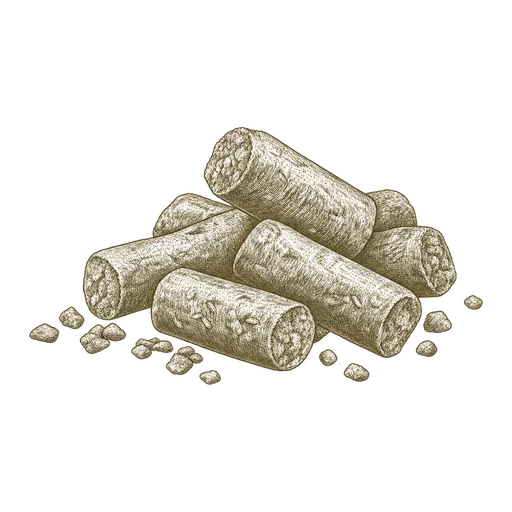
Explore ingredientAlfalfa pellets are ground, compressed forage used in livestock feeding and compound feeds. Compare the drying process, alfalfa material, forage analysis and pellet characteristics to choose a form that fits your ration and receiving setup.
Explore ingredientBeet pulp pellets are a dried, compacted sugar beet co-product used as a fibrous, energy-bearing ingredient in livestock feed. Compare molasses status, lot analysis and pellet handling needs to match the product to your ration and receiving setup.
Explore ingredient