Grains
Alfalfa
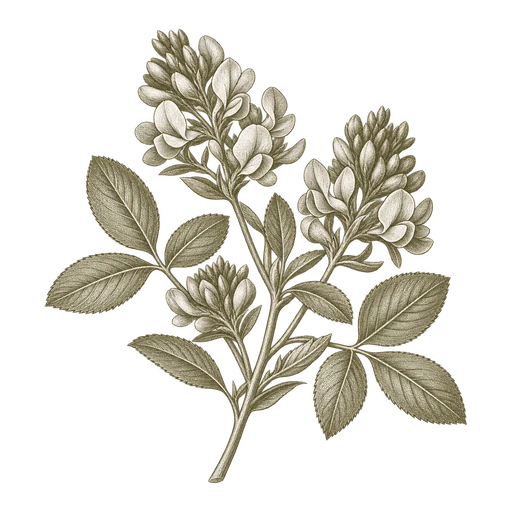
Alfalfa is a forage legume sourced as hay, silage, meal or pellets for livestock feed. Match the form to receiving and ration needs, then compare a lot-specific analysis on a consistent basis.
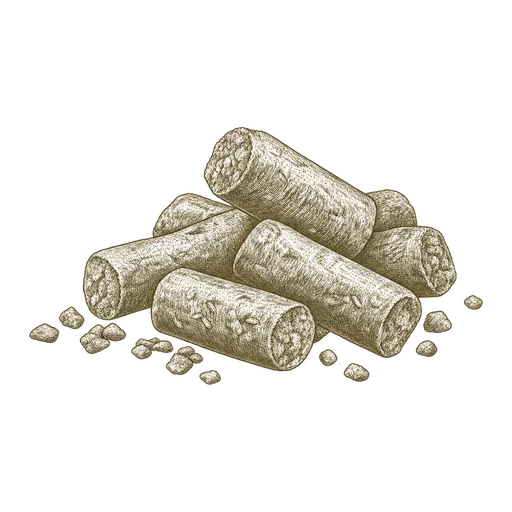
Explore ingredientPlan bulk cottonseed hull pellet deliveries around order quantity, destination, site equipment, packaging, and storage. Pellet density, flow, durability, and storage advantages are product-specific details to verify before receiving.
A smooth cottonseed hull pellet delivery starts with details your supplier can use to match the order to your facility: the quantity and unit you need, delivery destination, requested timing, and the packaging or unloading method your site can receive. Cottonseed hull pellets are a feed ingredient made from cottonseed hulls in compressed form, but the word “pellet” alone does not establish how a particular shipment will be packaged or handled.
State quantity in the unit used for your purchasing and receiving records, and make sure the unit is clear. If your storage capacity is tracked by volume but the order is quoted by weight, the offered product’s bulk density matters to how much space it will occupy. Do not estimate space from an assumed pellet density; request the relevant product information before finalizing storage plans.
Before arranging a delivery, identify how material can enter your operation. Tell the broker or supplier whether your site receives bulk material or requires packaged goods, and describe the equipment and access constraints that affect unloading. Packaging options are not established by the ingredient name, so avoid planning around a particular container, bag size, or delivery setup until it is included in the offer.
Pellet flow, durability, and resistance to breakage can affect discharge and handling, but these properties should not be treated as standard across all cottonseed hull pellets. Ask what information is available for the offered lot and consider how it relates to your receiving system. If your equipment depends on consistent flow or intact pellets, make that need explicit rather than assuming the material will behave a certain way.
Have a clean, suitable storage area ready before delivery, with protection from moisture and contamination. Keep the product separate from materials that could contaminate feed ingredients, and plan handling so that stored material remains protected during routine transfers. The appropriate storage arrangement depends on your facility and the shipment’s packaging; confirm those details before assigning a bin or other storage space.
Pelleting should not be treated as proof of a storage advantage or a particular shelf life. Pellet density, durability, and moisture-related characteristics are not established here as uniform product properties. Use information provided for the offered product when deciding how much space to reserve and how to manage it, and avoid relying on a storage period that has not been specified.
Give the supplier the delivery location and timing you are working toward, along with relevant site constraints such as access routes, receiving hours, and the equipment available to unload. These details help clarify whether the proposed arrangement matches the facility. A delivery date, freight method, or service level should not be assumed until it is part of the commercial offer.
Check that the planned quantity fits both the receiving process and the available storage space. If deliveries must be split or scheduled around feed production, state that requirement early; whether a particular schedule or shipment arrangement is available depends on the offer. Keep the person placing the order and the person receiving it aligned on product form, quantity, packaging, and arrival expectations.
For a useful request, provide the required form—cottonseed hull pellets—along with quantity and unit, destination, timing, packaging or unloading method, and any relevant quality requirements. Include equipment limitations or storage constraints that could affect acceptance. If pellet flow, durability, density, or other physical characteristics matter to your system, ask for the corresponding lot or product information rather than relying on generic assumptions.
For a sourcing request for <a href="/ingredients/cottonseed-hull-pellets">Cottonseed Hull Pellets</a>, include these receiving requirements alongside your feed-use needs. The final arrangement, including packaging, availability, timing, and freight terms, depends on the supplier’s offer and the destination.
Give the required product form, quantity and unit, destination, requested timing, packaging or unloading method, and site constraints. Include storage capacity and any physical product characteristics that matter to your equipment.
No. Pellet flow and durability are not established as standard properties for every offer. If your unloading system depends on them, ask for information about the specific product and lot before planning around a particular handling behavior.
Do not assume a storage-space advantage. The bulk density of the offered pellets is not established here, so request relevant information and compare it with your facility’s capacity before assigning storage space.
Prepare a clean storage area that protects the feed ingredient from moisture and contamination. Storage requirements and shelf life depend on the product and the facility; do not infer a shelf life or storage advantage from pelleting alone.
Delivered terms depend on the supplier’s offer and the order details, including quantity, destination, timing, packaging, and receiving requirements. Provide those details to receive terms suited to the shipment rather than assuming a freight method or charge.
Focused guides to the specification, application, and delivery questions behind this ingredient.
Cottonseed hull pellets contribute high-fiber, low-energy roughage to cattle rations. Their role depends on the animal class, ration objective, complete-diet balance and analysis of the offered lot.
Read this InsightA practical framework for comparing cottonseed hull pellet feed analyses, aligning reporting bases and separating general loose-hull references from lot-specific figures.
Read this InsightAlfalfa is a forage legume sourced as hay, silage, meal or pellets for livestock feed. Match the form to receiving and ration needs, then compare a lot-specific analysis on a consistent basis.
Explore ingredientAlfalfa meal is ground forage used in animal feed, with sun-cured and dehydrated processing routes and meal or pellet forms. Compare the offered process, physical form and analysis against the needs of the species and feed formulation.
Explore ingredientAlfalfa pellets are ground, compressed forage used in livestock feeding and compound feeds. Compare the drying process, alfalfa material, forage analysis and pellet characteristics to choose a form that fits your ration and receiving setup.
Explore ingredientBeet pulp pellets are a dried, compacted sugar beet co-product used as a fibrous, energy-bearing ingredient in livestock feed. Compare molasses status, lot analysis and pellet handling needs to match the product to your ration and receiving setup.
Explore ingredient