Grains
Alfalfa
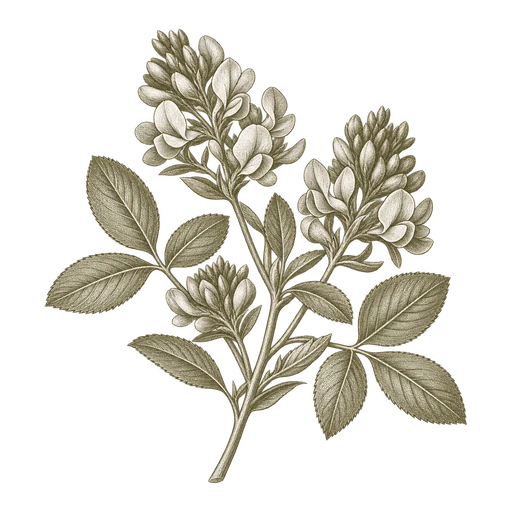
Alfalfa is a forage legume sourced as hay, silage, meal or pellets for livestock feed. Match the form to receiving and ration needs, then compare a lot-specific analysis on a consistent basis.
Explore ingredientChoose between whole-kernel brown rice and brown rice flour by identifying the form your manufacturing process needs. Milling changes rice’s physical form; cooking and parboiling are separate processing states.
The first question is whether your process needs intact brown rice kernels or a milled rice ingredient. Whole-kernel brown rice retains its grain form; brown rice flour is made by milling rice into smaller particles. That physical difference affects how the ingredient enters a process, is measured, and is handled. It does not, by itself, tell you how either product will perform in a finished formula.
For products built around visible or discrete grains, an intact-kernel ingredient may match the process better. If the rice needs to be incorporated as a flour into a blend, dough, batter, or other finely divided mixture, flour is the relevant form to evaluate. These are starting points, not guaranteed performance outcomes: the target product, equipment, and other ingredients determine whether a form works.
Milling changes physical form by reducing the rice to flour. Cooking changes the grain through the application of heat and water. Parboiling is a separate hydrothermal processing step applied to rice before milling; it should not be treated as another name for grinding or as a synonym for cooked rice. A product’s form and its processing state are different attributes.
This distinction matters when writing a purchase specification. “Brown rice flour” identifies a milled form, but it does not, on its own, establish whether the source rice was raw or parboiled, how fine the flour is, or what other processing it received. Likewise, “whole brown rice” identifies intact kernels, not necessarily the full cooking or processing history. State each requirement separately where it matters to the process.
Whole kernels and flour create different handling and incorporation questions. Kernels remain discrete pieces until the process changes them; flour is already a ground ingredient. A facility considering kernels should assess how its process receives, stores, portions, and prepares whole grain. A flour user should assess how the powder is introduced and dispersed in the intended mixture, and whether the available particle size suits the process.
Do not assume that rice flour will behave like another cereal flour or that all brown rice flours are interchangeable. Milling characteristics and processing history can differ between offers. If the formula depends on particle size, color, moisture, composition, or a particular processing state, define the needed attribute and request the supplier’s specification or analysis for the offered product. Evaluate the information against the actual manufacturing requirement rather than inferring performance from the product name.
For whole-kernel brown rice, identify the required grain form and any relevant class or processing state. Kernel size, breakage, moisture, and other quality measures can affect how a lot fits a receiving or manufacturing process, so specify the attributes that matter and ask how they are measured. Do not transfer a whole-grain specification to flour without checking whether each measure applies to the milled ingredient.
For brown rice flour, state that flour is required and identify any process-critical particle-size or processing requirements. Ask for the product specification and analysis applicable to the actual lot, including the measurement basis for any limits in your own specification. If the ingredient is intended for a regulated or customer-controlled application, assess the supplier’s documentation against those specific requirements; the name “brown rice flour” alone does not establish compliance.
Before requesting a bulk quote, write the ingredient name and form plainly: whole-kernel brown rice or brown rice flour. Add the desired processing state, quantity and unit, destination, and timing. Describe the receiving setup—such as whether your facility handles bulk grain or packaged material—so the proposed shipment can be considered against your equipment and unloading constraints. Packaging availability and commercial terms depend on the individual offer.
Once the required form and any processing conditions are clear, use the [Brown Rice sourcing page](/ingredients/brown-rice) to continue with a product-specific inquiry. Include the manufacturing step the rice must serve and the quality attributes your process depends on; this helps distinguish a useful offer from one that only matches the ingredient name.
Focused guides to the specification, application, and delivery questions behind this ingredient.
Prepare for bulk brown rice delivery by matching packaging and unloading arrangements to your facility, protecting the grain from moisture exposure, and building pest monitoring into storage routines.
Read this InsightA practical guide to defining bulk brown rice acceptance criteria for grain class, kernel integrity, defects, foreign material and moisture—without assuming one grade fits every use.
Read this InsightAlfalfa is a forage legume sourced as hay, silage, meal or pellets for livestock feed. Match the form to receiving and ration needs, then compare a lot-specific analysis on a consistent basis.
Explore ingredientAmaranth can be sourced as grain, leaf meal or whole-plant forage, and those forms are not interchangeable in feed formulation. Specify the plant material, species and processing method, then compare lot analysis suited to the intended animal and use.
Explore ingredientBarley is a cereal grain used in cattle feed, malting, food and industrial processing. Whole and processed forms serve different needs; identify the intended use, processing state and receiving requirements when sourcing a bulk order.
Explore ingredientBrewers rice is a broken-rice milling fraction used in brewing, fermented products and animal feed. Compare broken, granulated or ground forms and review lot-specific physical and analytical details before sourcing in bulk.
Explore ingredient