Grains
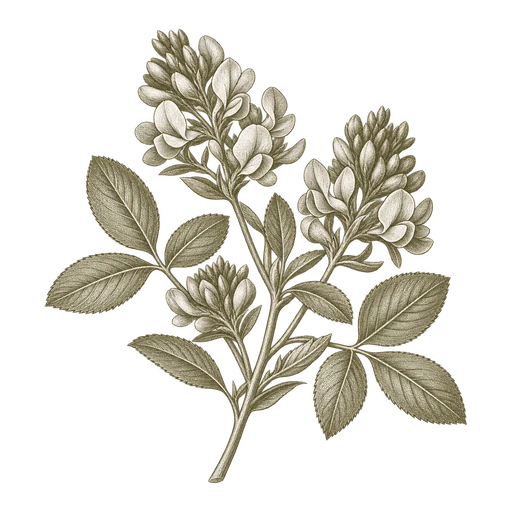
Alfalfa
Alfalfa is a forage legume sourced as hay, silage, meal or pellets for livestock feed. Match the form to receiving and ration needs, then compare a lot-specific analysis on a consistent basis.
Explore ingredientPrepare for bulk brown rice delivery by matching packaging and unloading arrangements to your facility, protecting the grain from moisture exposure, and building pest monitoring into storage routines.
A workable brown rice delivery starts with the destination, not just the order quantity. Give the sourcing contact the delivery address, the quantity and unit you plan to receive, and the timing your facility can accommodate. These details help frame a shipment request around your actual receiving window and storage capacity.
Describe the route and site conditions that affect access: for example, whether a delivery vehicle can reach the unloading point and whether there are appointment, gate, dock or operating-hour constraints. If the rice will be transferred to a separate storage location after arrival, include that step in your plan. Avoid scheduling a delivery for a period when the receiving area or storage space is not ready.
The package format determines how brown rice moves from delivery into storage or production. Bagged product requires a way to handle and stage the bags; bulk handling requires compatible receiving equipment and a suitable transfer route. Do not assume that a particular format or unloading method is available for a lot.
Before requesting a quote, tell the broker what your facility can unload and where the rice needs to go once it arrives. Share relevant limits such as dock access, available handling equipment, transfer connections, and whether you can receive loose bulk or only packaged material. Ask which packaging and handling conditions apply to the specific offer, then compare them with your receiving setup.
Brown rice is a dry grain, but it exchanges moisture with the air around it. Humid surroundings can raise the risk of moisture uptake; very dry conditions can draw moisture out. Because ambient conditions and storage arrangements differ, there is no single storage temperature, moisture limit or shelf-life figure that should be applied to every lot without product-specific evidence.
Keep the receiving and storage areas clean and dry, and protect rice from rain, leaks, wet floors and condensation. Avoid placing packages where they can contact damp surfaces or be exposed to changing conditions during staging. For bulk systems, consider the condition of the receiving path and storage space before the shipment arrives, rather than relying on downstream handling to correct a moisture problem.
Stored grain can be vulnerable to insect activity, so include pest checks in routine facility monitoring. Look for signs such as insects, damaged packaging or unusual material around storage areas, and follow the site’s established procedures for investigating and responding to concerns. Regular attention is more useful than waiting until a problem is obvious.
Keep the storage area orderly so that spills and affected packages are easier to spot. Separate incoming rice from other materials as your facility’s procedures require, and consider how long the shipment may remain in staging before it is moved into its planned storage location. Pest-control methods and facility requirements vary, so use procedures appropriate to the site and intended use.
Before delivery, confirm the receiving contact, the unloading plan, and the space available for the incoming quantity. At arrival, check the shipment against the agreed product and packaging description, and note visible damage, moisture exposure or other handling concerns through your normal receiving process. If the offer includes lot-specific handling information or quality documents, make sure the appropriate team can review them.
Share facility details early: destination, receiving hours or appointment needs, unloading equipment, acceptable packaging, storage capacity and any quality or handling requirements tied to your process. These details help identify a practical shipment arrangement without assuming a particular freight service or package format. For the ingredient itself and a sourcing request, start with the Brown Rice page.
Provide the delivery destination, requested quantity and unit, desired timing, receiving hours or appointment constraints, available unloading equipment, acceptable packaging and storage capacity. These details help determine whether the offered shipment can be received and stored as planned.
No universal threshold is established here. Brown rice exchanges moisture with ambient conditions, so storage decisions depend on the specific lot and facility. Use lot-specific information when available and keep the storage area protected from moisture exposure.
Check the shipment against the agreed product and packaging description, and look for visible package damage or evidence of moisture exposure. Record concerns through your facility’s normal receiving process and review any lot-specific handling information supplied with the offer.
Focused guides to the specification, application, and delivery questions behind this ingredient.
Choose between whole-kernel brown rice and brown rice flour by identifying the form your manufacturing process needs. Milling changes rice’s physical form; cooking and parboiling are separate processing states.
Read this InsightA practical guide to defining bulk brown rice acceptance criteria for grain class, kernel integrity, defects, foreign material and moisture—without assuming one grade fits every use.
Read this InsightAlfalfa is a forage legume sourced as hay, silage, meal or pellets for livestock feed. Match the form to receiving and ration needs, then compare a lot-specific analysis on a consistent basis.
Explore ingredientAmaranth can be sourced as grain, leaf meal or whole-plant forage, and those forms are not interchangeable in feed formulation. Specify the plant material, species and processing method, then compare lot analysis suited to the intended animal and use.
Explore ingredientBarley is a cereal grain used in cattle feed, malting, food and industrial processing. Whole and processed forms serve different needs; identify the intended use, processing state and receiving requirements when sourcing a bulk order.
Explore ingredientBrewers rice is a broken-rice milling fraction used in brewing, fermented products and animal feed. Compare broken, granulated or ground forms and review lot-specific physical and analytical details before sourcing in bulk.
Explore ingredient