Grains
Alfalfa
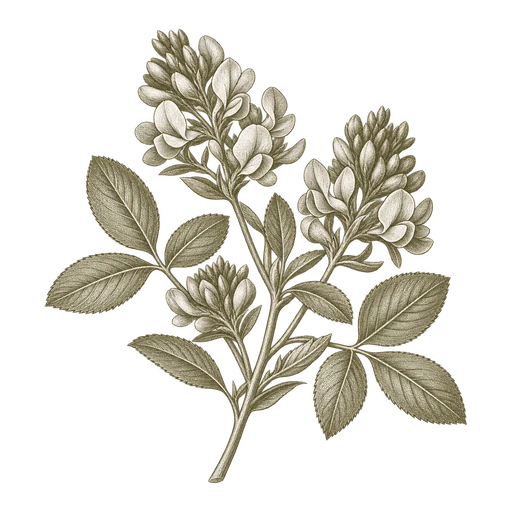
Alfalfa is a forage legume sourced as hay, silage, meal or pellets for livestock feed. Match the form to receiving and ration needs, then compare a lot-specific analysis on a consistent basis.
Explore ingredientBrewers rice can arrive as broken kernels, granules or ground material. Compare its form and particle-size method alongside lot-specific condition and feed-analysis results, using a clearly stated analytical basis.
Brewers rice offers can describe material with different particle sizes and degrees of processing. One product may consist mainly of broken rice kernels; another may be granulated brewers milled rice, while a ground product has been reduced to a finer meal. Those forms are not interchangeable when particle flow, mixing uniformity or equipment handling matters.
Ask the supplier to define the offered form in plain language and, where useful, provide a representative sample or particle-size description. Clarify whether the material is visibly composed of kernel pieces, granules or ground particles. A product name by itself may not tell you enough to predict how it will behave in a receiving or manufacturing system.
A sieve result is meaningful only when the sieve series, test procedure and reporting format are identified. Do not assume that every brewers rice offer follows the same named sieve standard—or that a single “mesh” figure describes the full distribution. Ask which sieves were used, whether results are reported as retained or passing material, and whether the reported result applies to the current lot.
For broken kernels, a description of kernel-piece size may be more relevant than a fine-particle screen alone. Granulated or ground material may call for a fuller particle-size distribution, especially when the feed mill or production line depends on consistent flow and blending. Compare results using the same method and reporting basis; otherwise, apparently similar figures can describe different measurements.
Particle size is only one part of a useful specification. Foreign material can affect cleanliness and processing, so clarify how it is defined and measured. Ask how damaged kernels are distinguished from ordinary broken pieces; breakage can be intrinsic to the product form, while discoloration or other visible damage may signal a separate quality concern.
Odor provides a practical condition check, but a specification should explain how an unacceptable odor is assessed rather than relying on an undefined promise of “normal” odor. Moisture should be reported with a stated test method and tied to the offered lot. It matters for storage planning and for comparing analytical results, but a moisture figure alone does not establish how material will behave under every storage condition.
For feed or pet-food formulation, request current lot results for moisture, protein, fat, fiber, ash and relevant minerals. These values help nutritionists compare the ingredient’s contribution to a formula; they do not replace the form and physical-quality checks needed for processing.
Read each result alongside its analytical basis. An as-fed result includes the sample’s moisture, while a dry-matter result expresses the analysis after accounting for moisture. Mixing those bases can make two lots appear more different—or more alike—than they are. Confirm the test method, units, sample identity and date or lot reference, and compare like with like. If a supplier reports mineral values, clarify whether they are individual minerals or a broader measure such as total ash; ash is not a substitute for a mineral profile.
Before comparing offers, write down the required form and the properties that affect your operation: particle-size method and reporting, foreign-material criteria, condition checks, moisture, and any feed-analysis requirements. Separate fixed acceptance limits from information requested for evaluation. Agree how results will be presented and whether they describe a current lot, rather than applying an assumed universal limit to brewers rice.
Then match the specification to your actual receiving and processing needs. A finer ground material may behave differently from intact broken pieces or granules in conveying and mixing, so consider how your equipment handles the proposed form. For bulk brewers rice sourcing, visit the [Brewers Rice page](/ingredients/brewers-rice) to explore the ingredient and connect your required form and analysis to a sourcing inquiry.
Do not assume a single universal size or sieve standard. Ask the supplier to define the form, identify any sieve series and test method, and explain how the results are reported.
For feed or pet-food use, compare current moisture, protein, fat, fiber, ash and relevant mineral results. Check that units, analytical methods and as-fed or dry-matter basis match before comparing lots.
Ask for a plain-language description of the physical form and, if needed, a representative sample or particle-size results. Broken kernels, granules and ground material differ in particle structure and can handle differently in conveying and mixing.
Focused guides to the specification, application, and delivery questions behind this ingredient.
Prepare a brewers rice order for the receiving system you have: define the quantity, delivery details, packaging or bulk arrangement, unloading limits and storage controls before shipment.
Read this InsightCompare broken-kernel, granulated and ground brewers rice as physical inputs for brewing and fermentation, with practical questions for defining the form and process requirements.
Read this InsightAlfalfa is a forage legume sourced as hay, silage, meal or pellets for livestock feed. Match the form to receiving and ration needs, then compare a lot-specific analysis on a consistent basis.
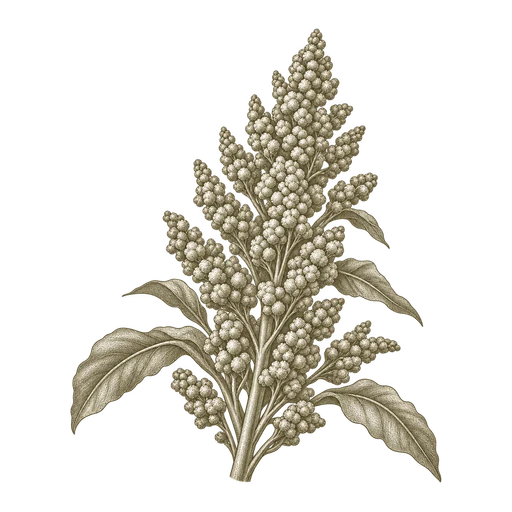
Explore ingredientAmaranth can be sourced as grain, leaf meal or whole-plant forage, and those forms are not interchangeable in feed formulation. Specify the plant material, species and processing method, then compare lot analysis suited to the intended animal and use.
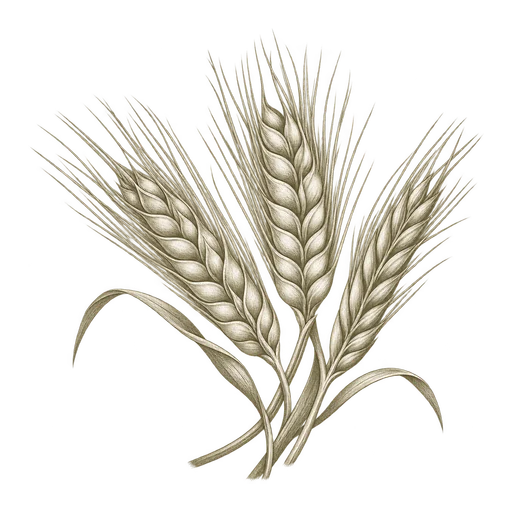
Explore ingredientBarley is a cereal grain used in cattle feed, malting, food and industrial processing. Whole and processed forms serve different needs; identify the intended use, processing state and receiving requirements when sourcing a bulk order.
Explore ingredientBrown rice is hulled rice with its bran layers retained, sourced as whole kernels or flour for food uses. Specify grain class, processing state and quality requirements, then match packaging and storage plans to your facility.
Explore ingredient