Grains
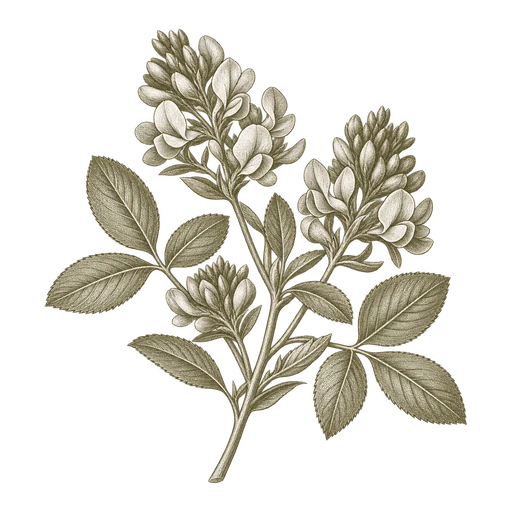
Alfalfa
Alfalfa is a forage legume sourced as hay, silage, meal or pellets for livestock feed. Match the form to receiving and ration needs, then compare a lot-specific analysis on a consistent basis.
Explore ingredientPrepare a brewers rice order for the receiving system you have: define the quantity, delivery details, packaging or bulk arrangement, unloading limits and storage controls before shipment.
A smooth bulk brewers rice delivery starts with matching the order to the facility that will receive it. Before requesting a quote, identify the product form, quantity and unit, delivery destination, and the period when your site can accept it. These details help connect the requested quantity to a workable receiving arrangement rather than treating delivery as a separate step.
Brewers rice is a rice-milling co-product made up of broken rice kernels. For receiving purposes, the important distinction is the physical form and how it will be packed or delivered—not simply the ingredient name. State whether your operation is equipped for packaged material or a bulk delivery, and describe any constraints that could affect unloading.
The packaging choice needs to fit both the shipment and the equipment at the receiving point. Packaged product requires a clear plan for staging, handling and moving units into storage. A bulk arrangement depends on compatible unloading equipment and a receiving space that can accept the material as delivered. Do not assume either format is available; specify what your facility can handle and ask which arrangement applies to the offered lot.
Include practical site details when they affect access or unloading: receiving hours, equipment limitations, space restrictions, and whether material must be transferred into a particular bin or storage area. Clarifying these conditions before an order is arranged reduces the risk of a mismatch between the delivery format and the site’s capabilities.
Rice is a dry grain ingredient, so moisture control belongs in the receiving plan. Have a clean, dry place ready before the shipment arrives, and protect product from rain, damp surfaces and water intrusion during unloading and storage. Moisture can compromise stored grain quality, so investigate wet or visibly damaged packaging and keep affected material separate while the issue is assessed.
Pest prevention starts with the storage area, not just the shipment. Clear out old residues, keep the area clean, and use the facility’s established inspection and pest-control procedures. These steps help limit the chance that insects or other pests in the storage environment will affect incoming material. Do not treat a clean delivery as a substitute for ongoing storage-area controls.
At receipt, compare the delivered product and its condition with the order details and the supplier’s lot information. Look for damaged or wet packaging, signs of moisture exposure, pest activity, and visible foreign material. Foreign-material controls matter because unwanted material can interfere with conveying, storage or downstream processing. Record and isolate a concern rather than blending questionable product into existing inventory.
Keep the lot identifiable after unloading. Record the received quantity, receipt date, lot reference when provided, and where the material was placed. If your operation uses a receiving sample or inspection procedure, connect those records to the same lot. The specific analytical information and acceptance criteria should match your intended use and the supplier’s documentation for that lot.
Share your preferred delivery timing along with any periods when the site cannot receive. Timing matters because storage space, staff and unloading equipment need to be ready together. Your requested schedule is not a guarantee of a particular delivery date; commercial terms and shipment arrangements depend on the offer.
Before placing the order, ask for handling and storage guidance tied to the offered lot. Avoid applying a generic shelf-life or storage-limit assumption when those details have not been provided. Review any lot-specific moisture or condition information alongside your facility’s own procedures, and maintain a clean, dry storage environment with appropriate pest and foreign-material controls.
For a sourcing request, start at the Brewers Rice page and provide the form, quantity and unit, destination, timing, packaging or bulk-receiving preference, unloading constraints, and relevant quality requirements. That gives a broker the details needed to discuss an offer that can be assessed against your facility’s receiving plan.
Specify the product form, quantity and unit, destination, preferred timing, packaging or bulk-receiving arrangement, unloading constraints, and any quality requirements relevant to your use. These details help determine whether the offered shipment can work at your site.
Check the delivered product and packaging against the order and available lot information. Look for moisture exposure, damaged packaging, pest activity and visible foreign material. Record concerns and keep affected material separate while they are assessed.
Use a clean, dry storage area and protect the material from moisture, pests and contamination. Follow handling guidance for the offered lot and your facility’s procedures; do not assume an unprovided shelf life or storage limit.
Focused guides to the specification, application, and delivery questions behind this ingredient.
Compare broken-kernel, granulated and ground brewers rice as physical inputs for brewing and fermentation, with practical questions for defining the form and process requirements.
Read this InsightBrewers rice can arrive as broken kernels, granules or ground material. Compare its form and particle-size method alongside lot-specific condition and feed-analysis results, using a clearly stated analytical basis.
Read this InsightAlfalfa is a forage legume sourced as hay, silage, meal or pellets for livestock feed. Match the form to receiving and ration needs, then compare a lot-specific analysis on a consistent basis.
Explore ingredientAmaranth can be sourced as grain, leaf meal or whole-plant forage, and those forms are not interchangeable in feed formulation. Specify the plant material, species and processing method, then compare lot analysis suited to the intended animal and use.
Explore ingredientBarley is a cereal grain used in cattle feed, malting, food and industrial processing. Whole and processed forms serve different needs; identify the intended use, processing state and receiving requirements when sourcing a bulk order.
Explore ingredientBrown rice is hulled rice with its bran layers retained, sourced as whole kernels or flour for food uses. Specify grain class, processing state and quality requirements, then match packaging and storage plans to your facility.
Explore ingredient