Fat identity affects warm-weather handling
True suet is firmer in heat than lard, which softens more quickly. Identifying the fat source helps buyers assess whether the ingredient’s handling characteristics suit the intended cake and feeder use.
Ingredient intelligence · quote-ready sourcing
Suet cake ingredients combine fat with dry inclusions to make formed wild-bird feeder products. Compare the fat’s source and processing state, the blend’s ingredients, and the physical form needed for your production and receiving setup.

Suet cake ingredients are components for formed wild-bird feeder products. Fat is mixed with dry inclusions and cooled in a mold. True suet is hard fat from around the kidneys and loins of cattle or sheep, but a product called a suet cake may use lard or rendered fat instead.
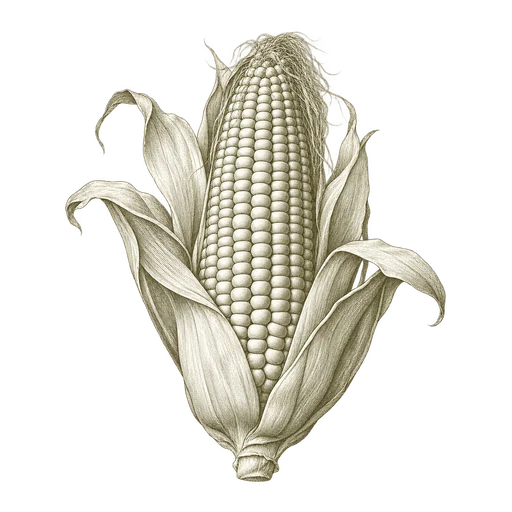
The dry portion may include cornmeal, birdseed, sunflower seed, oats, nuts or dried fruit. These are examples rather than a standard recipe. Ingredient identity, processing state and physical form are key differences when comparing a standalone component with a premix or formulated blend.
True suet is firmer in heat than lard, which softens more quickly. Identifying the fat source helps buyers assess whether the ingredient’s handling characteristics suit the intended cake and feeder use.
Seed, meal, nuts and dried fruit are distinct physical additions to a fat base. Naming the required inclusions and forms helps keep a formulation distinct from a blend that merely carries the suet-cake label.
Extension recipes use different combinations of fat, meal, seed and other additions. There is no universal formula, so a product’s ingredient declaration is more informative than assuming a standard recipe.
| Characteristic | Why it matters |
|---|---|
| Fat identity and species | Distinguishes true suet from lard or other fat sources. |
| Processing state | Clarifies whether the material is raw, rendered or already formulated. |
| Blend composition | Identifies the dry additions and avoids assuming a standard recipe. |
| Physical form | Helps assess fit with mixing, molding and receiving arrangements. |
| Analysis and handling details | Provides the basis for comparing declared composition and planning storage. |
No universal commercial formula or analytical specification is established for suet cake ingredients. Values and handling instructions are specific to the offered product.
Fat-and-inclusion mixtures are molded for wild-bird feeders, including wire cage feeders and log-style feeders. Fat holds the dry ingredients in a formed cake; the intended feeder format therefore helps determine whether the mixture’s physical form is appropriate.
Suet feeding is associated particularly with winter bird feeding. These ingredients are for formulated wild-bird feeder products, not evidence of a complete diet or suitability for livestock or domesticated animals.
There is no broadly applicable commercial formula or universal analysis for suet cake ingredients. A useful product description identifies the fat species and source, whether it is raw or rendered, and whether the material is a single ingredient or a premix. For blends, request the ingredient declaration and any composition values supplied for that specific product.
Moisture, particle or piece form, packaging, and storage instructions can matter to handling and production. Compare like with like: the identity and processing state of the fat, the blend’s contents, and the basis of any declared analysis should be clear before evaluating an offer.
Heat can soften fat-based cakes, and fats can spoil in hot conditions. Keep the receiving and storage plan consistent with the supplier’s instructions, protect ingredients from moisture and pests, and account for the material’s physical state when planning unloading and storage. Commercial shelf life, storage limits and packaging are product-specific and should not be inferred from a backyard recipe.
Fat binds dry inclusions into a formed feeder product. The required fat identity and the blend’s composition should match the intended cake formulation.
Birdseed, sunflower seed, cornmeal and oats are examples of additions used in recipes. Their distinct forms matter when specifying a blend for mixing and molding.
Suet mixtures are used in molded cakes for wire cage feeders and in mixtures placed in holes in log feeders. The intended feeder format helps define the required physical form.
Identify the fat source and processing state, required inclusions or blend, quantity and unit, destination, and timing. These details distinguish a standalone component from a formulated mixture and help make the offer comparable.
Describe the packaging and receiving method your facility can handle, including any constraints for unloading or moving the material. Fat and dry inclusions can arrive in different physical forms, so the receiving plan should match the specific items being purchased.
Heat can soften fat-based products, and fats can spoil in hot conditions. Keep materials protected from moisture and pests, and follow the offered product’s storage instructions rather than assuming a shelf life or temperature limit.
Cracked corn is mechanically broken corn grain used as an energy ingredient in livestock feed. Compare particle size, fines and lot analysis with the ration and receiving system before arranging a bulk order.
Explore ingredientDried black soldier fly larvae are an animal-feed ingredient available whole or ground, with some products partly defatted. Compare form, fat status and lot analysis to match the ingredient to your feed process and receiving setup.
Explore ingredientDried mealworms are Tenebrio molitor larvae supplied whole or ground into meal and powder for animal-feed applications. Choose the form to fit receiving and mixing needs, and compare nutrient analysis on a consistent basis because processing and test methods affect reported composition.
Explore ingredientHulled millet is millet grain with its outer covering removed, sold as whole grain and also used in flour or precooked forms. Species and processing status distinguish offers and help food manufacturers match the ingredient to their production method.
Explore ingredientFormulations commonly combine a fat with dry additions such as cornmeal, seed, oats, nuts or dried fruit. Recipes vary; there is no single standard formula, so identify the required ingredients rather than assuming a set composition.
No. True suet is hard fat from around the kidneys and loins of cattle or sheep. Rendered fat or tallow has been processed, while lard is a different fat that softens more quickly in heat. Confirm the offered fat’s identity and processing state.
Delivered pricing depends on the offered ingredient or blend, quantity, packaging, destination and timing. Storage planning depends on the material’s form and its supplied handling instructions; heat can soften fat-based products, and ingredients should be protected from moisture and pests.
Send your volume, destination, and key specifications. A broker can follow up with availability and commercial terms.