Soy protein ingredientPowder, granules or texturedFood and feed uses differ
Ingredient intelligence · quote-ready sourcing
Soy Protein ConcentrateBulk sourcing
Also searched as SPC
Soy protein concentrate is a processed soybean protein ingredient supplied in forms such as powder, granules or textured product. Compare the form, protein basis, processing details and intended market to match the ingredient to a food process or feed formulation.
Soy protein concentrate is made by reducing or removing non-protein constituents such as carbohydrates, oil and water from soybeans. The Codex food-standard category places it at 65% to under 90% crude protein (N × 6.25) on a dry-weight basis, excluding specified additions. This defines a category, not a guaranteed commercial lot result.
02
Aqueous-alcohol washing, acid washing and hot-water leaching are common ways to remove soluble carbohydrates from defatted flakes. The routes differ in their effects on soluble protein and protein solubility, so processing history and functional data can matter as much as the ingredient name.
03
Commercial form can include powder, granules, bits or a texturized product. These forms are not interchangeable for handling or incorporation, and the food name does not establish feed or pet-food status.
Protein category has a defined basis
The Codex food-standard threshold uses crude protein calculated as N × 6.25 on a dry-weight basis. Comparing results on a stated, consistent basis prevents moisture differences from obscuring the protein comparison.
Processing affects functionality
Washing routes differ in which soluble components they remove and how they affect protein solubility. For applications that depend on solubility or heat treatment, process information and functional data help distinguish products within the broad SPC category.
Physical form changes incorporation
Powder, granules, bits and texturized forms present different physical formats for handling and processing. Identifying the required form helps avoid treating all soy protein concentrate as the same material.
SPECIFICATIONS
Soy Protein Concentrate specifications.
Food-standard reference measures and purchase relevance
Characteristic
Reference or basis
Why it matters
Crude protein
Codex category: at least 65% and less than 90%, dry-weight basis
Distinguishes the food-standard concentrate category; compare results on the same basis.
Moisture
Codex maximum: 10% by mass for covered food products
Relevant to product characterization and moisture-protective storage.
Ash
Codex maximum: 8% on a dry-weight basis for covered food products
A product-characterization measure; compare with the applicable specification.
Crude fiber
Codex maximum: 6% on a dry-weight basis for covered food products
Useful when the formulation or product specification sets a fiber requirement.
Residual fat and processing
Residual fat is subject to good manufacturing practice; routes and functional properties differ
Relevant to process performance and any application-specific acceptance criteria.
Codex figures are food-standard limits or category thresholds, not typical analyses, lot-specific guarantees or feed specifications. Agree on analytical methods and acceptance criteria for the intended market and application.
Quality measures that distinguish offers
Protein percentage is meaningful only with its reporting basis. Moisture, ash and crude fiber help characterize the product, while residual fat and processing details can matter to a particular formulation. For food products covered by Codex, the standard sets maximum moisture at 10% by mass, ash at 8% on a dry-weight basis and crude fiber at 6% on a dry-weight basis. These are food-standard limits, not lot-specific results or feed specifications.
Solubility, heat treatment and trypsin inhibitor activity can matter for particular uses; they do not have one universal buyer limit in the available evidence. Agree on analytical methods and acceptance criteria with the formulator and supplier for the intended application.
Food processing and feed are different decisions
Food-standard soy protein products are intended for foods requiring further preparation and for food-processing use. A powder, granule or textured form may suit different processes, but the ingredient name alone does not establish performance in a specific product. Match the offered form and functional information to the process.
SPC has also been studied as a protein ingredient in pig-feed research, including nursery-diet contexts. That does not establish a universal inclusion rate, suitability for every species or life stage, or pet-food authorization. For feed purchases, assess the exact product definition, labeling and market requirements separately from food-standard measures.
Storage and receiving
For food soy protein products covered by Codex, hygienic containers should maintain a dry and sanitary condition during storage and transport. Confirm that proposed packaging and the receiving site can protect the product from moisture and contamination. Shelf life, temperature limits and bulk-bin operating requirements are product-specific and should come from the offered product documentation.
APPLICATIONS
Common uses for soy protein concentrate.
01
Food processing
Food-standard soy protein products are intended for foods requiring further preparation and for use by the food-processing industry. Match the offered form and product-specific functional information to the process rather than assuming every SPC performs alike.
02
Textured food products
A product that has undergone texturization can be identified as textured, and forms may include granules or bits. Specify the required form and check the application data relevant to the food process.
03
Pig-feed formulation
Soy protein concentrate has been studied as a protein ingredient in pig-feed contexts, including nursery diets. That evidence does not establish a universal inclusion rate or broad species suitability; assess the specific product's feed definition, labeling and formulation role.
ORDERING & DELIVERY
Soy Protein Concentrate delivery.
POINT 01
Define the order
Identify the required form, intended food or feed market, quantity and unit, destination, and timing. These details distinguish products with different specifications and let the broker assess the delivered requirement.
POINT 02
Arrange shipment and receiving
State the packaging needed and describe the receiving equipment, unloading method and site constraints. For food product, packaging and handling should maintain hygienic, dry and sanitary conditions through transport and receipt.
POINT 03
Protect product in storage
Plan clean, dry storage and handling that protect the ingredient from moisture and contamination. Obtain product-specific shelf-life, temperature and storage instructions rather than assuming limits from the ingredient name.
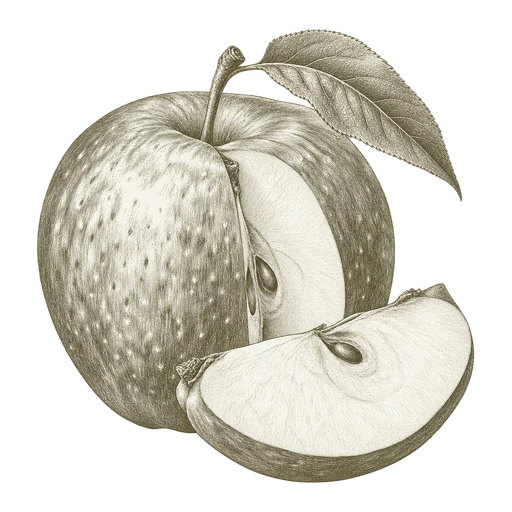
Apple pomace is an apple-pressing residue used in ruminant feed. Wet, dried and ensiled forms differ in moisture and preservation, so compare the actual form and lot analysis when assessing its role in a ration and planning bulk handling.
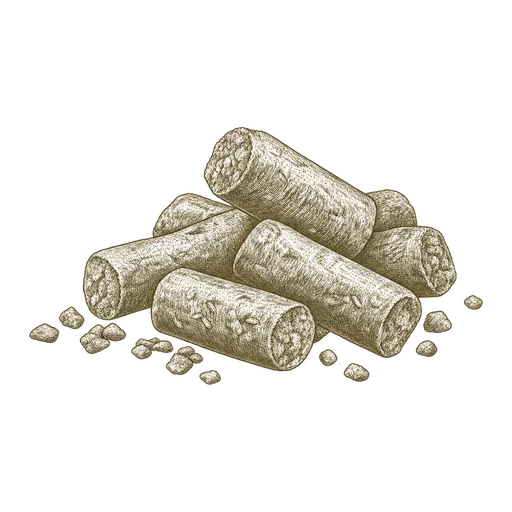
Beet pulp pellets are a dried, compacted sugar beet co-product used as a fibrous, energy-bearing ingredient in livestock feed. Compare molasses status, lot analysis and pellet handling needs to match the product to your ration and receiving setup.
Beet pulp shreds are dried, shredded sugar-beet pulp used as a digestible-fiber ingredient in livestock and horse diets. Compare the offered form, additions and lot analysis, then match the shipment and dry-storage plan to your receiving setup.
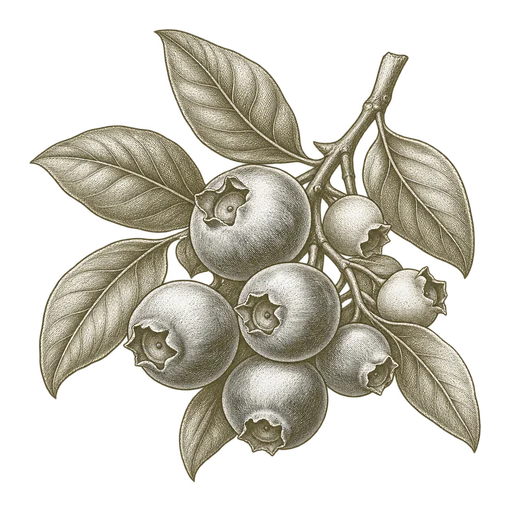
Blueberry pomace is fruit residue from juice or puree processing, sold as wet material, dried pomace or powder. Choose the form for your process and compare the offered lot’s moisture, particle form and composition.
Soy protein concentrate may be supplied as powder, granules or bits, and some products are texturized. Specify the form required for your process because the ingredient name alone does not identify particle size or functionality.
How is soy protein concentrate different from soy protein isolate?+
Under the Codex food standard, soy protein concentrate contains at least 65% and less than 90% crude protein on a dry-weight basis; soy protein isolate is 90% or more on that basis. These are category thresholds, not a promise of a particular lot's analysis.
What affects delivered bulk soy protein concentrate pricing?+
The requested form, quantity, quality requirements, packaging, destination and timing affect the delivered offer. Provide those details together so the broker can evaluate the product and freight for your requirement.
START WITH A CLEAR BRIEF
Ready to source soy protein concentrate?
Send your volume, destination, and key specifications. A broker can follow up with availability and commercial terms.