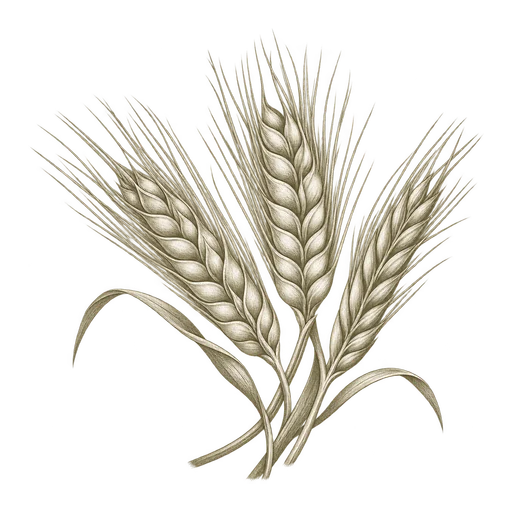
Polished barley grainCooked grain and milling usesPearling degree varies
Ingredient intelligence · quote-ready sourcing
Pearled BarleyBulk sourcing
Also searched as Pearl barley
Pearled barley is polished barley grain used mainly as a cooked food grain or milled into flour. Processing degree affects kernel characteristics and cooking performance, so define the form and quality measures needed for your operation.
Pearled barley is barley grain abraded and polished to remove some or most of its outer layers. The degree of removal varies, which means the product name does not establish a precise processing level or kernel size.
02
It is commonly used as a food grain and can be milled into flour. Pot barley is less pearled and retains more bran; barley pearlings are a by-product of processing, not finished pearled grain.
Processing degree affects performance
Removing more of the outer layers changes the kernel and can shorten cooking time compared with less-processed barley. Buyers should align the processing description with the texture and cooking behavior their product requires.
Whole grain and flour are distinct forms
Whole pearled kernels are used as a cooked grain, while milling produces flour for cereal-based products. The form determines how the ingredient enters a process and should be named explicitly.
Product identity matters
Pearled barley, pot barley and barley pearlings are not interchangeable. Identifying the finished grain rather than a processing by-product is especially important when evaluating food or feed use.
SPECIFICATIONS
Pearled Barley specifications.
Product characteristics to define for a pearled barley offer
Characteristic
Why it matters
Pearling degree or processing description
Describes how much of the outer layers have been removed and helps distinguish the product from less-processed barley.
Kernel dimensions and size distribution
Affects appearance, portioning and consistency in cooking or further processing.
Moisture
Informs condition and storage management; the acceptable limit should match the buyer's requirements.
Foreign material and broken kernels
Helps assess cleanliness and the proportion of intact grain for the intended process.
Microbial or contaminant criteria
May be required by the intended food market and should be specified where applicable.
These are buyer-relevant measures, not guaranteed values or a universal finished pearled-barley specification. Agree on applicable limits for the intended use.
Food applications and processing choices
The most direct use for pearled barley is as a cooked whole grain. It can stand in for rice in dishes where a barley kernel is appropriate. Compared with less-processed barley, pearled barley generally cooks faster; the tradeoff is that removing outer layers also removes some nutrients. Buyers should match the processing degree to the texture and cooking performance they need.
Pearled barley can also be milled into flour for cereal-based products. Flour is a further-processed form, not interchangeable with whole pearled kernels: particle size and milling characteristics affect how it performs in a recipe or production line. Specify whether the requirement is whole grain or flour, and identify the finished use.
Quality measures that clarify an offer
A food specification should identify the product as finished pearled grain and describe its pearling degree or other agreed processing description. Moisture, foreign material, broken kernels and kernel size distribution help buyers assess condition and consistency for their process. Microbial or contaminant criteria may also be relevant to the intended food use and should be stated where required.
For feed-related inquiries, distinguish finished pearled barley from barley grain and barley pearlings. Feed references for the pearling by-product do not describe finished pearl barley, and average feed-table values are not a lot specification. The material’s identity and a representative analysis are essential before considering it for a ration.
Bulk order and storage considerations
A useful bulk requirement describes the intended form, quantity and unit, destination, timing, food or feed use, and the quality measures that matter to the receiving process. Packaging and unloading requirements should also be clear: the receiving facility’s equipment determines which shipment arrangements it can handle.
Keep barley dry and protected from moisture and contamination during storage and handling. For a feed application, storage decisions should reflect the actual material and its analysis; general dry-feed guidance is not a pearled-barley-specific guarantee. Delivered price depends on the offered product, quantity, destination and shipment terms, which are established for the specific transaction.
APPLICATIONS
Common uses for pearled barley.
01
Cooked whole-grain dishes
Pearled barley is cooked as a whole grain and can replace rice in dishes where barley's kernel and texture fit. Pearling degree can affect cooking time and the resulting grain characteristics.
02
Cereal-based food products
Pearled barley can be used in cereal-based foods. Buyers should define whether the process calls for whole kernels or a milled ingredient, as these forms behave differently in production.
03
Barley flour milling
Pearled barley can be milled into flour for cereal-based products. Milling creates a different ingredient form, so buyers should specify flour rather than whole kernels when that is the production requirement.
ORDERING & DELIVERY
Pearled Barley delivery.
POINT 01
Define the barley order
Identify whole pearled kernels or flour, the required processing description, quantity and unit, destination, intended use and timing. These details define which product and quality requirements a quote needs to address.
POINT 02
Plan shipment and receiving
State the packaging arrangement your facility can receive and how the product will be unloaded. The receiving equipment and site constraints matter when shipment details are evaluated.
POINT 03
Protect the grain in storage
Plan to keep the product dry and protected from contamination during handling and storage. For feed-related use, base storage decisions on the actual material and analysis rather than assuming guidance for another barley product applies.
Alfalfa is a forage legume sourced as hay, silage, meal or pellets for livestock feed. Match the form to receiving and ration needs, then compare a lot-specific analysis on a consistent basis.
Amaranth can be sourced as grain, leaf meal or whole-plant forage, and those forms are not interchangeable in feed formulation. Specify the plant material, species and processing method, then compare lot analysis suited to the intended animal and use.
Barley is a cereal grain used in cattle feed, malting, food and industrial processing. Whole and processed forms serve different needs; identify the intended use, processing state and receiving requirements when sourcing a bulk order.
Brewers rice is a broken-rice milling fraction used in brewing, fermented products and animal feed. Compare broken, granulated or ground forms and review lot-specific physical and analytical details before sourcing in bulk.
What is the difference between pearled barley and pot barley?+
Pearled barley has been abraded and polished to remove outer layers; pot barley is less pearled and retains more bran. The degree of processing can affect cooking time, kernel characteristics and composition.
Is barley pearlings the same as pearled barley?+
No. Pearlings are a processing by-product removed from the grain, while pearled barley is the finished kernel. They should not be treated as interchangeable, particularly when identifying a food or feed ingredient.
What affects the delivered price of bulk pearled barley?+
The product form and quality requirements, quantity, destination and shipment terms affect a delivered quote. Specify whether you need whole kernels or flour and describe the receiving arrangement so the broker can evaluate the relevant offer.
START WITH A CLEAR BRIEF
Ready to source pearled barley?
Send your volume, destination, and key specifications. A broker can follow up with availability and commercial terms.