Kernel halves versus fragments
A split is a separated half of a kernel; smaller broken pieces are distinct. Defining the acceptable size mix helps align the offer with processes that depend on a particular piece size or appearance.
Ingredient intelligence · quote-ready sourcing
Also searched as Peanut kernel halves
Peanut splits are separated halves of shelled kernels used in food processing. Define the required processing state, kernel-size mix, grade and quality checks before comparing bulk offers.
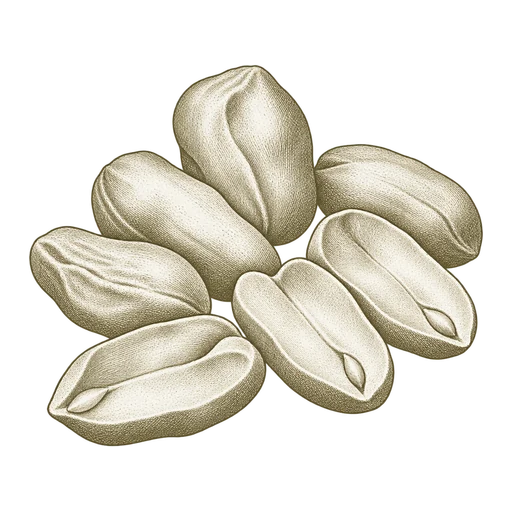
Peanut splits are separated halves of shelled peanut kernels, not hulls, skins, meal, or oilseed cake. The product name alone does not define variety, size, condition, or intended use.
Processing state and piece-size mix affect how the kernels suit a food process. State whether the requirement is raw or roasted, blanched or unblanched, and whether the lot must contain kernel halves rather than a mix with fragments.
A split is a separated half of a kernel; smaller broken pieces are distinct. Defining the acceptable size mix helps align the offer with processes that depend on a particular piece size or appearance.
Raw and roasted, or blanched and unblanched, describe meaningful product differences. Naming the required state avoids comparing offers that would enter the process at different stages.
U.S. Virginia Splits is a specific grade with split-percentage, screen-size, and defect criteria. A generic “peanut splits” description does not establish that grade.
| Characteristic | Why it matters |
|---|---|
| Kernel identity and variety | Distinguishes kernel halves from fragments and establishes whether a named peanut class or variety is required. |
| Screen size and piece-size mix | Helps determine whether the lot matches process, appearance, or handling needs. |
| Grade and split proportion | A defined grade may set split, size, and defect criteria; the generic product name does not. |
| Raw or roasted; blanched or unblanched | Identifies the processing state required by the recipe or manufacturing step. |
| Foreign material and damaged kernels | Supports evaluation of lot condition and applicable inspection requirements. |
| Moisture and aflatoxin evidence | Relevant to handling and safety evaluation; compare lot-specific results with requirements for the intended use and destination. |
No universal specification applies to every product sold as peanut splits. Compare lot-specific results with the grade and requirements stated for the intended use.
Shelled peanut kernels are used by food processors, including peanut-butter manufacturers and nut roasters. Splits can be relevant where the process calls for kernel pieces rather than intact whole kernels, but the right form depends on the recipe, equipment, and finished-product requirements.
Processing state changes what a buyer receives. Raw versus roasted and blanched versus unblanched are meaningful distinctions; so are kernel-half proportion and fragment content. A label saying “splits” does not establish food-grade status or prove that the lot fits a particular recipe. Confirm the intended use and the characteristics the process requires.
For a food-processing purchase, compare the offered grade, screen size, split-to-whole and fragment proportions, foreign material, damaged kernels, and moisture where relevant to the process. Ask how the lot was sampled and what inspection or analysis supports the stated values. Results are useful only when their basis and lot identity are clear.
Aflatoxin is a relevant quality and safety concern for peanuts and peanut products. Specify the applicable requirement for your product and destination, and review the testing method and sampling information with the lot documents. Limits and decisions can depend on intended use; a value discussed for one animal or product category is not a universal acceptance threshold.
Moisture exposure and condensation can contribute to mold development. Review packaging and storage history, protect the product from moisture during handling, and assess visible defects such as mold, rancidity, decay, insect damage, discoloration, or adhering dirt when relevant to the inspection.
A useful bulk request identifies the kernel form, processing state, grade or quality criteria, quantity and unit, destination, and timing. Include the receiving method and any required food-safety or inspection documents so the offered product and delivery arrangement can be evaluated together. Commercial terms, packaging, and availability depend on the specific offer.
Shelled peanut kernels are used in peanut-butter manufacturing. Splits may be considered where kernel pieces fit the process; confirm the required raw or roasted state, blanching, size, and quality criteria.
Peanut kernels are used by nut roasters, but the splits label alone does not establish a suitable roast condition or size. Specify the required incoming processing state and piece-size mix.
For other food processes, choose splits only when shelled kernel pieces fit the recipe and equipment. Confirm intended-use status and the lot characteristics required; the product name does not guarantee food-grade suitability.
State kernel form, raw or roasted and blanched or unblanched condition, any required grade or size mix, quantity and unit, destination, and timing. These details define which product and commercial offer can be compared.
Provide the receiving method and constraints, and identify the packaging needed for your facility. Request the applicable lot and inspection information, including how size, condition, and required safety checks were assessed.
Peanuts should be protected from moisture exposure and condensation, which can contribute to mold development. Review packaging and storage history, and plan handling that avoids moisture and contamination at the receiving site.
Cracked corn is mechanically broken corn grain used as an energy ingredient in livestock feed. Compare particle size, fines and lot analysis with the ration and receiving system before arranging a bulk order.
Explore ingredientDried black soldier fly larvae are an animal-feed ingredient available whole or ground, with some products partly defatted. Compare form, fat status and lot analysis to match the ingredient to your feed process and receiving setup.
Explore ingredientDried mealworms are Tenebrio molitor larvae supplied whole or ground into meal and powder for animal-feed applications. Choose the form to fit receiving and mixing needs, and compare nutrient analysis on a consistent basis because processing and test methods affect reported composition.
Explore ingredientHulled millet is millet grain with its outer covering removed, sold as whole grain and also used in flour or precooked forms. Species and processing status distinguish offers and help food manufacturers match the ingredient to their production method.
Explore ingredientPeanut splits are separated halves of shelled peanut kernels. Smaller fragments are distinct from intact halves, so define the acceptable piece-size mix when it matters to your process.
No. USDA defines a specific U.S. Virginia Splits grade, with requirements for split proportion, screen size, and defects. The generic product name does not establish that grade or its criteria.
State whether you require raw or roasted and blanched or unblanched kernels. Also define the required kernel size and the acceptable proportions of splits and fragments.
For the intended use, review grade, size distribution, foreign material, damaged kernels, and moisture where relevant. Aflatoxin testing should identify the lot, method, and sampling basis, with requirements matched to the product and destination.
The offered processing state, grade and size requirements, quantity, packaging and receiving needs, destination, and timing all affect a delivered quote. The broker handling the inquiry can confirm the available commercial terms.
Send your volume, destination, and key specifications. A broker can follow up with availability and commercial terms.