Lactose contributes functional solids
Milk permeate supplies lactose, which can contribute sweetness and browning in food formulations. Its effect depends on the recipe and process, so account for it when balancing other carbohydrate ingredients.
Ingredient intelligence · quote-ready sourcing
Milk permeate is a lactose- and mineral-rich dairy fraction used in food formulations including baked goods, dairy products, dry mixes and beverages. Bulk buyers can distinguish milk permeate from whey permeate and compare powder composition, reporting basis and handling needs against the intended application.
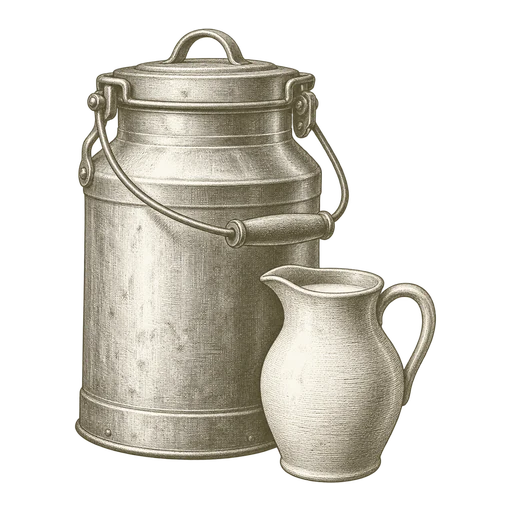
Milk permeate is the fraction that passes through an ultrafiltration membrane as milk proteins are concentrated. Its main components are lactose and minerals, with small amounts of protein and little fat.
Milk permeate powder is a common form for food formulation. Liquid and powder are distinct supply forms, so powder composition criteria should not be assumed to describe a liquid product.
Milk permeate supplies lactose, which can contribute sweetness and browning in food formulations. Its effect depends on the recipe and process, so account for it when balancing other carbohydrate ingredients.
The mineral-rich composition can contribute a salty perception. That characteristic matters when balancing flavor, particularly where the formulation already contains other mineral or salt sources.
Lactose, protein, fat, ash and moisture describe different aspects of the powder. Comparing them on a consistent reporting basis helps distinguish lots without treating a general reference profile as a guaranteed offer.
| Characteristic | Typical reference | Why it matters |
|---|---|---|
| Lactose | 78–88% | Describes the principal carbohydrate fraction and can affect sweetness and browning. |
| Protein | 3–5% | Helps distinguish the powder composition and should be assessed against the intended formulation. |
| Fat | 0–1.0% | A composition measure relevant when comparing dairy ingredient offers. |
| Ash | 8–11% | Indicates the mineral-rich fraction, which can influence flavor. |
| Moisture | 3–4.5% | Relevant to powder condition and storage management. |
These are typical reference values for powder, not specifications or guarantees for an offered lot. Confirm the lot analysis, test methods and reporting basis. Published standards use different provisions; do not combine their limits into one assumed specification.
In human food formulations, milk permeate supplies lactose and dairy minerals. It is used in dairy foods, baked goods, dry mixes, beverages, meats, soups and confectionery. In baked products, lactose can contribute to browning; in other formulations it can affect flavor and texture.
Its lactose can add sweetness, while its mineral content can contribute a salty perception. At high concentrations, solubility or a gritty texture can become formulation concerns. These effects depend on the recipe and process, so evaluate the powder in the intended product rather than assuming it behaves like skim milk powder or sweet whey.
Ask whether the material is milk-derived or whey-derived, and whether it is powder or liquid. For powder, review lactose, protein or nitrogen, fat, ash and moisture; pH, color, flavor, scorched particles and microbiological results can also distinguish offers. The required limits depend on the product being made and its quality program.
Published reference values describe an industry or standard, not a particular lot. Request the offered product specification and certificate of analysis, including test methods and the basis used to report results. Do not combine limits from different standards into a single assumed specification.
For a bulk request, state the required source, form, quantity and unit, destination, timing, packaging needs and receiving setup. Include the quality measures and documents your formulation or quality team requires; these details help compare the product and delivered offer on a consistent basis.
Milk permeate powder is a dried dairy ingredient, and elevated temperature and humidity can accelerate browning and off-flavor development. Get the specific product’s packaging, storage, shelf-life and handling instructions, and ensure the receiving and storage plan protects the powder from moisture and contamination.
Milk permeate provides lactose and dairy minerals in dairy food formulations. Its composition differs from skim milk powder, so account for the lower protein contribution and the desired flavor and texture in the recipe.
Lactose can contribute browning in baked products. Its use should be considered alongside the recipe’s other sugars and process conditions, since the resulting color and sweetness depend on the full formulation.
Milk permeate can serve as a lactose and mineral source in dry mixes and beverages. At higher concentrations, solubility and gritty texture can become formulation concerns, so assess the intended concentration and mixing process.
Milk permeate is used in some meat, soup and confectionery formulations for its dairy solids. The mineral contribution can affect perceived saltiness, making flavor balance a relevant formulation consideration.
Specify milk permeate rather than whey permeate, and state powder or liquid, quantity and unit, destination and requested timing. Include the intended application and required quality measures so the product can be evaluated against its use.
State the packaging and unloading arrangement your facility can receive, and identify any access or scheduling constraints. The receiving setup matters because the packaging and delivery arrangement must match the facility’s handling capabilities.
For powder, plan storage that limits exposure to moisture and elevated temperature; these conditions can accelerate browning and off-flavor development in dried dairy ingredients. Follow the specific product’s packaging, storage, shelf-life and handling instructions.
Butter products include churned butter, concentrated milkfat products and formulated powders. Choose the exact form first: composition, recipe role, quality measures and temperature or storage needs differ across these ingredients.
Explore ingredientButtermilk powder is dried liquid buttermilk used to supply dairy solids and flavor in foods such as baked goods, sauces, beverages and desserts. Compare the product’s starting material, composition and functional properties to match it to the formulation and handling process.
Explore ingredientCheese is a broad ingredient category ranging from natural and processed products to cheese powder and trimmings. Define the variety, composition and physical form first; cheese powder serves dry food applications, while other forms require specifications matched to their intended process.
Explore ingredientCheese powder is a dried cheese or cheese-based ingredient used to add cheese flavor to coatings, dry mixes, sauces and other foods. Cheese style, added ingredients and drying method affect composition and performance, so compare the formulation and functional properties with the needs of your process.
Explore ingredientMilk permeate is the lactose- and mineral-rich fraction that passes through an ultrafiltration membrane when milk is processed to concentrate milk proteins. It contains mostly lactose and minerals, with small amounts of protein and little fat.
Milk permeate comes from milk, often skim milk, while whey permeate comes from whey after cheesemaking. Their broad compositions can be similar, so specify the source when requesting or comparing a product.
Compare lactose, protein or nitrogen, fat, ash and moisture. Depending on the application, pH, color, flavor, scorched particles and microbiological results may also matter. Use the lot analysis and confirm its reporting basis rather than relying on typical reference values.
Elevated temperature and humidity can accelerate browning and off-flavor development in dried dairy ingredients. Follow the storage, shelf-life and handling instructions for the specific product and protect it from moisture and contamination.
The product source and form, quantity, quality requirements, packaging, destination and timing all affect a delivered quote. Provide those details so the broker handling the inquiry can evaluate the applicable product and freight terms.
Send your volume, destination, and key specifications. A broker can follow up with availability and commercial terms.