Distinct fruit forms
Whole fruit, puree, dried material, peel, and pomace serve different formulation and handling roles. Naming the form prevents a fruit preparation from being compared as if it were a press residue or fiber ingredient.
Ingredient intelligence · quote-ready sourcing
Also searched as Kiwifruit
Bulk kiwi can mean whole fruit, puree, dried fruit, peel, pomace, or extracted fiber. Specify the form and processing history, then compare analysis on a consistent basis and match receiving and storage plans to the product.
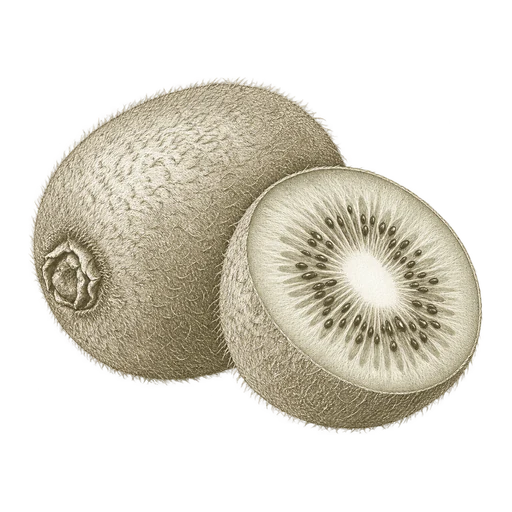
Kiwi ingredients may be made from whole fruit or from parts and residues created during processing. Commonly described forms include puree, juice, dried fruit, peel, pomace, and extracted fiber; the name kiwi alone does not establish which material is being offered.
Pomace is a variable residue from juice pressing and can include peel, seeds, and pulp. Peel, pomace, and extracted or treated fiber differ in composition and processing history, so analysis for one should not be applied to another.
Whole fruit, puree, dried material, peel, and pomace serve different formulation and handling roles. Naming the form prevents a fruit preparation from being compared as if it were a press residue or fiber ingredient.
Pomace composition reflects the fruit material left after pressing, while extraction or treatment can change fiber properties. Review the process and analytical method alongside any fiber result.
Moisture basis and fiber method affect comparisons between offers. Align the basis and method before using composition figures to assess formulation fit.
| Characteristic | Why it matters |
|---|---|
| Form and plant material | Distinguishes whole fruit, puree, peel, pomace, and extracted fiber. |
| Processing history | Pressing, extraction, or further treatment affects the material being compared. |
| Moisture or dry-matter basis | Makes composition values more meaningful across products and lots. |
| Fiber method and fractions | Method and soluble or insoluble breakdown help interpret fiber results. |
| Intended use and safety information | Food use requires product-specific information for the formulation and destination market. |
No universal composition or storage specification applies to every kiwi form. Use the offered product’s current specification and lot documentation.
Kiwi peel and pomace have been investigated as sources of dietary fiber and other fruit compounds for food ingredient development. That research does not establish that every kiwi by-product is food grade or appropriate for every formulation. Buyers need product-specific information about processing, safety, intended use, and applicable requirements in the destination market.
For formulation work, distinguish a fruit preparation such as puree from a press residue or a fiber ingredient. The former is a fruit material; the latter may be considered for its fiber characteristics. The right choice depends on the intended function and the composition of the specific lot, not simply on the shared kiwi name.
Start with product identity: species where known, plant part, process, and whether the material is whole fruit, peel, pomace, or extracted fiber. Then compare moisture or dry matter and any composition values using the same basis. For fiber, ask which method was used and whether total, soluble, and insoluble fractions are reported. A number without its method and basis can mislead when comparing unlike materials.
Research values reported for a particular variety or experimentally treated material are not general specifications for kiwi ingredients. Use the producer’s current product specification and lot analysis to assess an offer; do not substitute fresh-fruit standards or published study results for commercial lot data.
Receiving requirements differ between fruit preparations and dry solids. State the offered form, packaging requirement, unloading method, destination, and order quantity when seeking a quote. This gives the broker and producer the information needed to assess whether the shipment can be received at your facility.
Storage conditions and shelf life cannot be inferred across kiwi forms. Obtain handling instructions and shelf-life information for the specific product and packaging. For dried material or pomace, ask how moisture exposure should be managed; for a puree or other fruit preparation, use the supplier’s product-specific temperature and handling guidance.
Puree and other fruit preparations are distinct from press residues and extracted fiber. Specify the preparation and the intended food use so the product identity and relevant documentation can be evaluated.
Kiwi pomace and peel have been studied as sources of dietary fiber for food ingredient development. Their composition depends on the material and processing; research on one does not establish properties for every commercial lot.
Pomace is created during juice pressing and may contain peel, seeds, and pulp. Assess its actual composition and intended-use documentation before deciding whether it fits a food ingredient project.
Specify the kiwi form, any relevant plant part or process, quantity and unit, destination, and requested timing. Form matters because fruit preparations, dried material, and pomace are different products with different receiving needs.
State the packaging requirement, unloading method, and facility constraints. Receiving a fruit preparation is not the same as receiving dry solids, so provide the details needed to assess the offered product and shipment arrangement.
Request handling instructions and shelf-life information for the exact product and packaging. Storage requirements cannot be assumed across puree, dried fruit, pomace, or fiber; moisture and temperature guidance should come from the product-specific information.
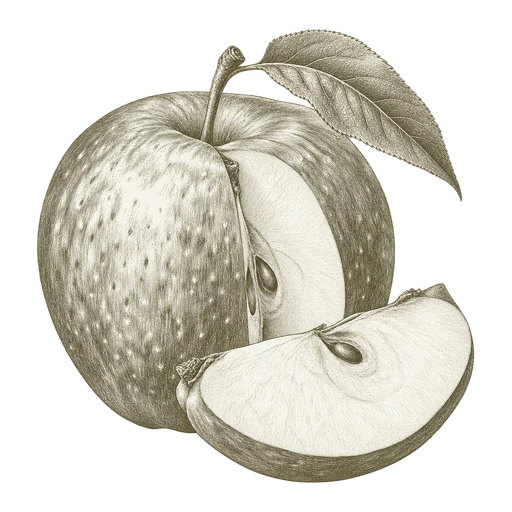
Bulk apples can mean whole fruit, culled apples, dried forms or apple pomace—the residue from pressing apples. Specify the form and intended use first, then compare grade or lot analysis, preservation, receiving needs and storage requirements.
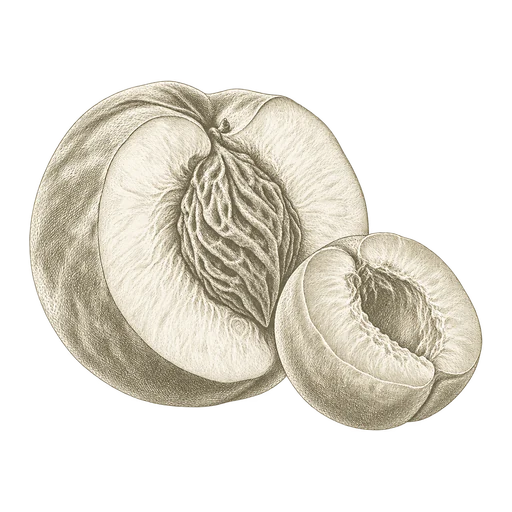
Explore ingredientApricots are sourced fresh or processed into dried fruit and other food forms. Match the form, cut, treatment and quality measures to the intended use, then plan receiving and storage around the product’s handling needs.
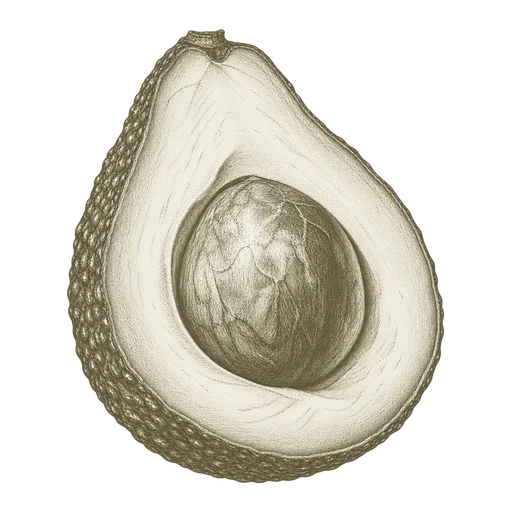
Explore ingredientAvocado feed materials include distinct forms such as pulp-and-peel by-product, peel meal and dried meal. Fraction, processing, intended species and handling needs determine what analysis and safety information matter before a bulk purchase.
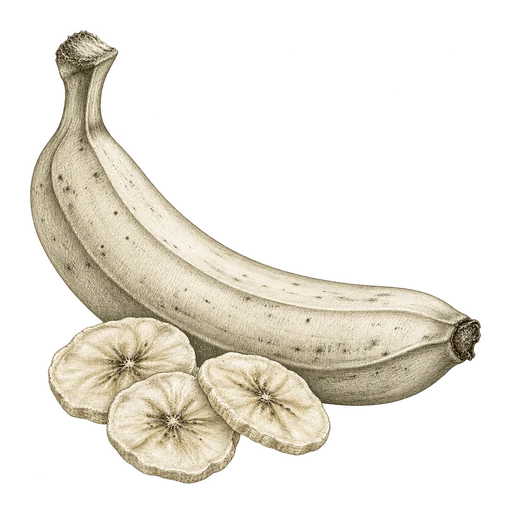
Explore ingredientBanana chips include both fried snack slices and dried banana products for food preparation or flour. Identify the process, added ingredients, and intended use before comparing quality measures and bulk shipment terms.
Explore ingredientThe term can refer to whole fruit, puree, juice, dried fruit, peel, pomace, or extracted fiber. These are not interchangeable: identify the exact form and processing history in the purchase request.
Storage requirements depend on the pomace’s processing, moisture, and packaging. Get the producer’s handling instructions and shelf-life information for the specific product; a storage condition established for one kiwi form should not be assumed to fit another.
Delivered pricing depends on the specific form and specification, quantity, packaging and receiving requirements, destination, and timing. Include those details so the broker can evaluate the product and freight together.
Send your volume, destination, and key specifications. A broker can follow up with availability and commercial terms.