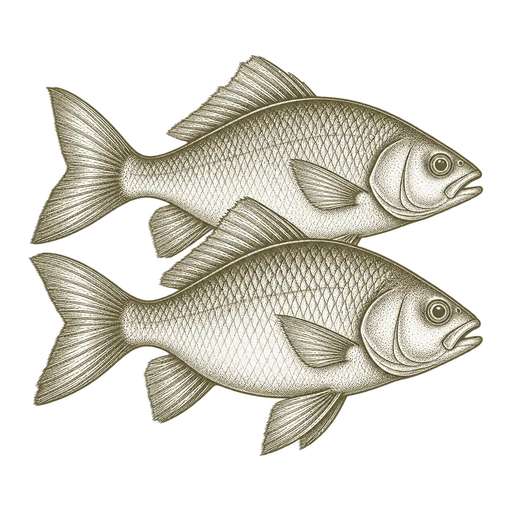
Herring-derived fish mealDried and groundAnimal feed ingredient
Ingredient intelligence · quote-ready sourcing
Herring Fish MealBulk sourcing
Also searched as Herring meal, Herring fishmeal
Herring fish meal is a dried, ground fish ingredient used in animal and aquafeed formulations. Compare the lot’s analysis, raw material and physical form, then plan receiving and storage around its flow, moisture and residual-oil characteristics.
Herring fish meal is made by drying and grinding herring-based material after processing removes most of its water and some or all of its oil. Some products are made from protein residue after oil extraction; the material used and the process influence the composition.
02
The term does not define a uniform protein, fat, ash, salt or moisture specification. Ground meal is the basic form, while some bulk meal is pelletized to improve mechanical handling. These distinctions matter both to formulation and to the facility receiving and metering the ingredient.
A feed ingredient with measurable composition
Protein, fat, moisture, ash and salt provide useful points of comparison between lots. Reviewing them on a consistent analytical basis helps a formulator assess the meal’s contribution without assuming that all herring meals share one analysis.
Raw material can matter in processing
Fish-meal raw material can influence extrusion behavior, including starch gelatinization and pellet hardness under particular conditions. Feed mills evaluating a formula should consider the actual ingredient alongside the recipe and process rather than treating all fish meals as interchangeable.
Physical form affects handling
Ground meal does not flow readily. Pelletized bulk meal can be easier to handle mechanically, but the receiving and metering setup still needs to suit the offered form.
SPECIFICATIONS
Herring Fish Meal specifications.
Measures and characteristics to compare
Characteristic
Why it matters
Crude protein
Helps the formulator assess the meal’s protein contribution.
Fat
Describes residual oil content and informs formulation and storage considerations.
Moisture
Relevant to the product analysis and moisture-conscious storage.
Ash and salt
Useful composition measures for comparing offers and assessing a formula.
Amino acids or digestibility
May provide additional information when required for the intended ration.
Oxidation and microbiological results
May be relevant to product condition and a feed safety program.
Request current lot results, analytical methods and measurement basis. The useful test panel depends on the intended application; no universal herring-meal values are stated here.
Feed applications and processing behavior
Fish meal is used in compound feeds for farmed fish and for terrestrial livestock, including poultry and pigs; it is also used in some pet foods and other animal feeds. Herring meal is not automatically appropriate for every species, life stage or ration. A nutritionist should evaluate the actual analysis and the ingredient’s intended role in the formula.
Its role is not limited to nutrient supply. Fish-meal raw material can affect physical properties during feed extrusion, including starch gelatinization and pellet hardness under particular processing conditions. That makes the specific meal relevant to feed mills evaluating a formulation or manufacturing run; a result from one process should not be treated as a prediction for every recipe or line.
Physical form, storage and handling
Ground meal is the basic physical form. Powdered meal does not flow readily, so some bulk meal is pelletized to make mechanical handling easier. Confirm whether the offered material is ground or pelletized and whether that form works with the facility’s conveying, metering and mixing equipment.
Keep fish meal protected from moisture and condensation, and manage storage to limit undue self-heating. Residual oil can oxidize and generate heat, potentially damaging nutritional quality. Antioxidant treatment and storage guidance depend on the product; identify any treatment and obtain handling instructions for the specific lot. Shelf-life claims are product-specific, not a universal property of herring meal.
Preparing a bulk purchase
A useful request identifies the meal’s intended use, physical form, quantity and delivery destination, then states the analysis and testing needed for that use. Include the receiving method and storage conditions so the proposed packaging and handling can be assessed alongside the product.
For delivered pricing, the offered product and analysis, order quantity, packaging or bulk arrangement, destination and timing all matter. Availability, lot specifications, commercial terms and freight are confirmed for the particular offer.
APPLICATIONS
Common uses for herring fish meal.
01
Aquafeed
Fish meal is used in compound feeds for farmed fish. The formulator should evaluate the herring meal’s actual analysis and physical properties in the feed recipe and extrusion process; results from one formulation or process do not establish performance in another.
02
Poultry and swine feed
Fish meal is used in poultry and pig feeds as part of formulated rations. The offered analysis and any relevant amino-acid or digestibility information help a nutritionist determine how the ingredient fits a particular formula.
03
Pet food
Fish meal is used in some pet-food formulations. Buyers should distinguish feed-use material from any human-food application and assess the specific product’s analysis, intended use and required quality measures.
04
Compound feed manufacturing
Feed mills can evaluate herring meal as both a feed ingredient and a material that enters mixing or extrusion. Ground and pelletized forms can differ in handling, while the fish raw material may affect process behavior under specific conditions.
ORDERING & DELIVERY
Herring Fish Meal delivery.
POINT 01
Define the order
Identify herring meal, the required ground or pelletized form, quantity and unit, destination, and delivery timing. State the intended feed use and the analysis or testing needed so the proposed product can be assessed against the formulation.
POINT 02
Plan receiving and unloading
Describe whether the facility receives packaged material or bulk product and how it unloads, conveys and meters meal. Ground meal flows less readily than pelletized material, so the physical form and receiving equipment need to be considered together.
POINT 03
Protect the meal in storage
Plan for protection from moisture and condensation and for limiting undue self-heating. Because residual oil can oxidize and generate heat, obtain the product-specific handling guidance and identify any antioxidant treatment before establishing storage procedures.
Bison meal can mean rendered meat meal, meat-and-bone meal, or bone meal—distinct products with different composition and analysis needs. Define the ingredient type and intended use before comparing lot results or arranging a bulk shipment.
Blood meal is dried, powdered blood used as a protein ingredient in formulated feed and as a concentrated nitrogen fertilizer. Source, processing and intended use shape which analysis and handling details matter in a bulk purchase.
Bone meal is dried, ground animal bone used as a mineral-bearing ingredient in feed and pet-food formulations. Compare cooked and steamed forms, source species, and calcium and phosphorus analysis to identify the material that fits the intended use.
Bovine plasma is a blood-derived ingredient supplied in liquid, concentrated or spray-dried form. Buyers sourcing it for livestock diets or pet-food formulations should compare species origin, processing, analysis and intended use, then match the product form to their receiving and storage setup.
Herring fish meal is dried, ground material made from herring. Cooking, pressing and drying remove most of the water and some or all of the oil; the exact raw material and process influence the final analysis.
What should buyers compare in herring meal specifications?+
Compare crude protein, fat, moisture, ash and salt on the same analytical basis, using a current lot certificate of analysis. Depending on the feed application, amino-acid or digestibility information, oxidation indicators and microbiological results may also be relevant.
How should herring fish meal be stored?+
Protect it from moisture and condensation, and manage storage to limit undue self-heating. Residual oil can oxidize and generate heat, so follow the specific product’s storage guidance and establish whether it has antioxidant treatment.
START WITH A CLEAR BRIEF
Ready to source herring fish meal?
Send your volume, destination, and key specifications. A broker can follow up with availability and commercial terms.