Distinct seed ingredient forms
Seed, oil, protein powder and meal are not interchangeable. Naming the exact form helps align the ingredient with how it will be incorporated into a food or feed formulation.
Ingredient intelligence · quote-ready sourcing
Also searched as Industrial hemp
Hemp covers distinct seed-derived ingredients, including hulled seed, oil, protein powder and press cake. Identify the plant part, processing and intended use first; for meal, compare a current lot analysis and its measurement basis.
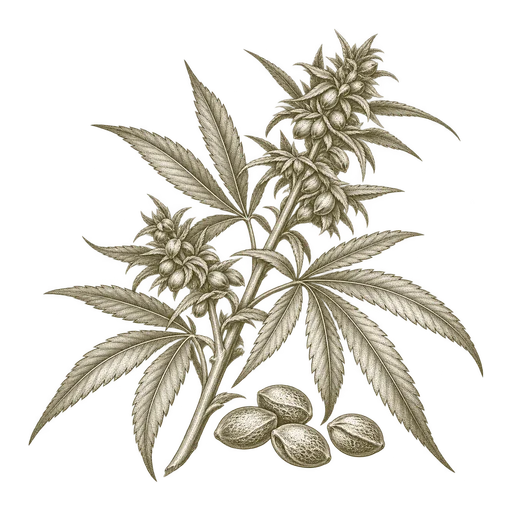
Hemp is a broad name for materials from Cannabis sativa L. Seed-derived ingredient forms include whole or hulled seed, seed oil, protein powder and the meal or cake left after oil extraction. Stalk, fiber and cannabinoid-extracted biomass are separate materials, not substitutes for seed ingredients.
Oil extraction affects the composition of hempseed meal. Mechanical pressing typically leaves more residual oil than chemical extraction, and batches vary in protein and fiber. Identify the form and process before comparing offers or evaluating the ingredient in a formulation.
Seed, oil, protein powder and meal are not interchangeable. Naming the exact form helps align the ingredient with how it will be incorporated into a food or feed formulation.
Oil extraction changes the residual oil in hempseed cake or meal. Comparing process and lot analysis helps explain why products with similar names can differ in composition.
Protein and fiber values can be reported as-fed or on a dry-matter basis. Comparing like bases prevents moisture differences from obscuring the composition being evaluated.
| Characteristic | Why it matters |
|---|---|
| Plant part and physical form | Distinguishes seed, oil, protein powder, meal, stalk and other materials with different uses. |
| Oil extraction process | Helps explain residual oil differences in hempseed meal or press cake. |
| Moisture and analysis basis | Provides context for composition results and allows meaningful comparison of as-fed and dry-matter values. |
| Protein, fat, fiber and ash | Relevant measures for evaluating seed meal against a formulation's nutritional requirements. |
| Lot identity and sampling date | Connects the analysis to the specific material being offered. |
| Cannabinoid testing, where relevant | Addresses an application-specific testing requirement without assuming results from the ingredient name. |
No single composition describes all hemp ingredients. Request an analysis for the offered lot and identify its measurement basis.
Hulled hemp seed, hemp seed oil and hemp seed protein powder are used as human-food ingredients in products such as baked goods, cereals, snacks, beverages, soups, sauces and nutrition bars. The required physical form affects how an ingredient is incorporated: whole or hulled seed contributes seed material, oil supplies the extracted oil fraction, and protein powder is a dry ingredient.
Seed-derived meal is considered in animal-feed formulations as a source of protein and energy, but a formulation decision depends on its actual analysis, the animal species and the rest of the ration. Do not use food-ingredient documentation as a substitute for feed-use requirements, or assume that seed meal, stalk and cannabinoid-extracted biomass are interchangeable.
For seed meal or press cake, compare moisture, crude protein, crude fat or residual oil, fiber and ash when relevant to the intended formulation. Ask whether results are reported as-fed or on a dry-matter basis; values on different bases cannot be compared directly. Extraction method helps explain differences in residual oil, while lot identification and sampling date connect the reported analysis to the material being offered.
For food ingredients, specify the exact form and the quality measures required for that use. Where cannabinoid residues are relevant to the application, identify the testing requirement rather than inferring results from the word hemp. Each form and end use calls for its own suitable product specification.
Packaging and receiving requirements depend on whether the order is seed, oil, powder or meal. Identify the quantity and unit, destination, timing, packaging needs and unloading arrangement before comparing delivered offers. These details help align the product and shipment with the receiving facility.
Storage guidance is also product-specific. Protect the material as directed by its current product documentation; do not apply a storage recommendation for one press cake to every hemp ingredient. Keep the product identity, lot analysis and handling guidance together through receiving and storage.
Hulled seed is used in human-food formulations including baked goods, cereals, snacks and nutrition bars. Specify hulled seed rather than using the broader hemp label, and align the requested ingredient documentation with the food application.
Hemp seed oil is used in food formulations such as sauces and other products. Because it is an oil rather than a solid seed or meal ingredient, state the oil form and the receiving requirements for the order.
Protein powder is a dry seed-derived ingredient used in products such as beverages and nutrition bars. Its powder form distinguishes it from whole or hulled seed and from oil-extraction meal.
Seed meal is evaluated as a protein- and energy-bearing feed material. Its composition varies with batch and extraction process, so formulation decisions should use the offered lot analysis and the requirements of the intended animal diet.
Identify the plant part, exact form and intended use, then give the quantity and unit, destination and required timing. These details distinguish, for example, a seed order from a press-cake order and shape the shipment requirements.
State the packaging required and how the receiving site unloads the material. Seed, oil, powder and meal have different physical forms, so the shipment plan needs to fit the facility's receiving equipment and constraints.
Follow the handling and storage instructions for the specific offered form rather than applying guidance from another hemp product. Keep lot identity and analysis with the received material, and account for the product's stated protection needs for moisture, heat or light.
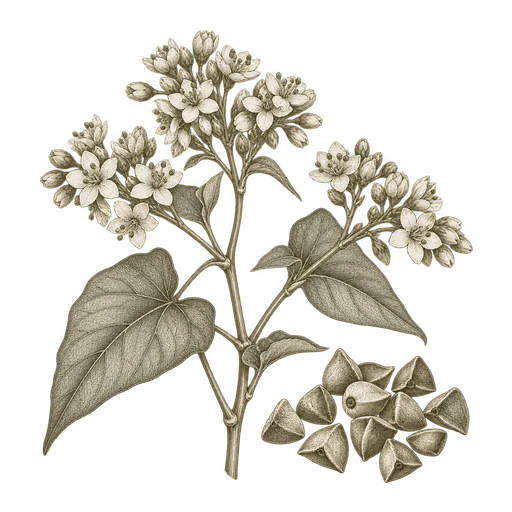
Buckwheat is sourced as whole seed, dehulled groats, flour and milling by-products for food and feed uses. Choose the form and processing status for the intended use, and compare lot quality on a clearly stated basis.
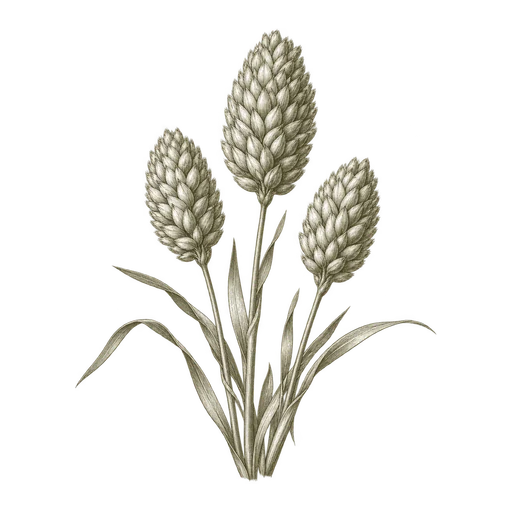
Explore ingredientCanary seed is a grass grain sourced mainly for bird-feed blends, with specific glabrous varieties also processed into food ingredients such as groats and flour. Identify the hull type, intended market and processing form before comparing bulk lots.
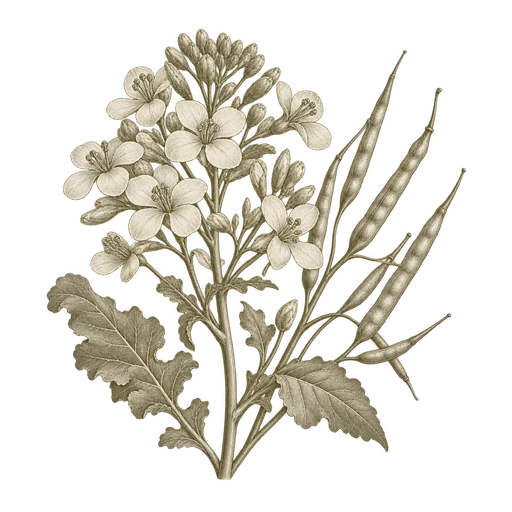
Explore ingredientCanola refers to seed and products including edible oil and feed meal. For bulk sourcing, identify the product and, for meal, compare processing, physical form and lot analysis to match the feed formulation and receiving setup.
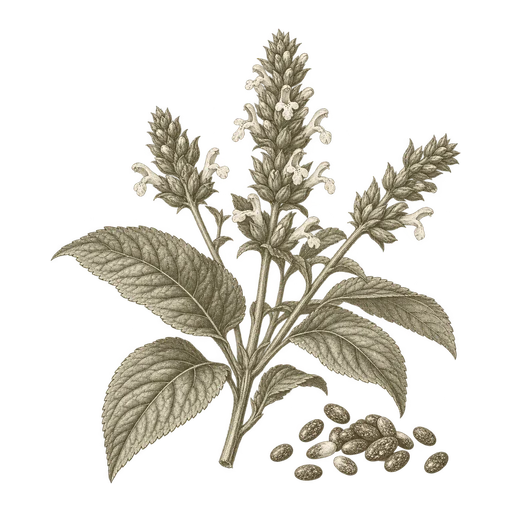
Explore ingredientChia is an oilseed sold as whole or milled seed, gel or mucilage, oil, and extraction coproducts. Choose the form around its role in food or feed, and compare product-specific quality measures and handling needs before arranging a bulk shipment.
Explore ingredientIngredient forms include whole or hulled hemp seed, hemp seed oil, hemp seed protein powder and the meal or cake remaining after seed oil extraction. Stalk, fiber and cannabinoid-extracted biomass are different materials and should be identified separately.
Both names refer to solid material left after oil is extracted from hempseed. The extraction process affects residual oil, and the resulting protein and fiber composition can vary by batch. Compare the offered process and current lot analysis rather than relying on the name alone.
Delivered pricing depends on the specific form and quality requirements, quantity, packaging, destination and timing. Provide those details together so the offer can be evaluated as a product-and-shipment combination.
Send your volume, destination, and key specifications. A broker can follow up with availability and commercial terms.