Separate egg fractions
Whole egg, yolk and white powders provide different ingredient compositions. Identifying the required fraction helps avoid comparing a whole-egg product with a product made from only one part of the egg.
Ingredient intelligence · quote-ready sourcing
Also searched as Dried egg
Egg powder is available as dried whole egg, yolk, egg white or formulated blends for food manufacturing. Match the fraction and application-specific functionality to your process, then compare quality, packaging and storage details for the bulk order.
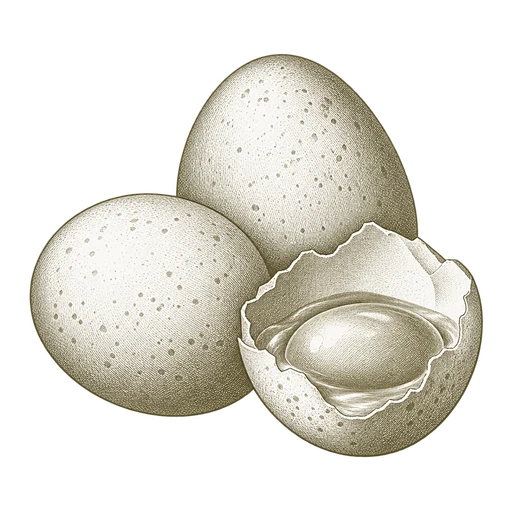
Egg powder is produced by drying liquid egg and can be supplied as whole egg, yolk, egg white or a formulated blend. Spray drying is a documented method, but products can differ in formulation and processing; a generic name does not establish composition or performance.
Buyers use dried egg ingredients in food formulations including bakery products, dressings, mayonnaise, omelettes and confectionery. The right comparison depends on the function needed in the finished product and the characteristics measured for the offered powder.
Whole egg, yolk and white powders provide different ingredient compositions. Identifying the required fraction helps avoid comparing a whole-egg product with a product made from only one part of the egg.
Emulsion stability, foaming, gel texture and colour can matter in different food processes. Application-relevant results are more useful than assuming that powders with the same broad name will behave alike.
Some dried egg products include added ingredients. Those additions can distinguish a formulated mix from plain egg powder, so composition is essential when comparing specifications or planning a recipe.
| Characteristic | Why it matters |
|---|---|
| Egg fraction and formulation | Distinguishes whole egg, yolk, white and products with added ingredients. |
| Moisture and water activity | Useful quality and storage measures; interpret against the offered product's limits and test methods. |
| Application-specific functionality | Measures such as foaming, emulsion stability, gel texture or colour can relate to the intended process. |
| Processing and safety information | Powder form alone does not establish pasteurization status or microbiological safety. |
These are comparison points, not universal limits or a required test panel. Confirm methods and acceptance criteria against the intended application and offered product.
Start with the precise product identity: whole egg, yolk, white, or a blend, and whether ingredients such as carriers or stabilizers are included. A formulated egg mix is not the same specification as plain egg powder, so do not apply one product's composition or moisture limit to another.
Moisture and water activity can inform quality and storage decisions. Functional measures such as emulsion stability, foaming stability, gel texture and colour are relevant only when they connect to the intended process. Request the test methods, measurement basis and acceptance limits used for the offered product, along with process and safety records relevant to its intended use.
A useful bulk request identifies the egg fraction and formulation, required quality measures, quantity and unit, destination, timing, and receiving setup. Include packaging and unloading constraints because they affect which shipment arrangements can work at your facility. Price and commercial terms depend on the specific offer and destination.
Dry egg powder can absorb moisture after opening, and resealing the package helps limit moisture pickup and contamination. Storage instructions and shelf life depend on the product and package; follow the offered product's handling guidance rather than assuming all egg powders share the same limits.
Dried whole egg or a specified egg fraction can provide egg-derived solids in dry bakery formulations. The relevant powder depends on the recipe's required function; compare application-specific performance rather than assuming identical results across products.
Egg powder is used in dressing and mayonnaise applications where emulsion performance is relevant. Establish which egg fraction is offered and whether functional data match the intended formulation.
Dried egg ingredients can be used in omelette products and other egg-based foods. Product identity, reconstitution and process-specific performance are important when evaluating an ingredient for a finished food.
Egg white and whole-egg powders are among the dried egg ingredients used in confectionery applications. The required fraction and functional behavior depend on the product being made.
Specify whole egg, yolk, white or a formulated blend, along with quantity and unit, destination and required timing. Include any composition or functional requirements so the offered product can be compared against the intended food process.
State the packaging needs, receiving method and unloading constraints at the destination. These details help determine whether a proposed shipment arrangement is compatible with the facility; packaging and freight terms depend on the specific offer.
Moisture pickup and contamination are relevant handling concerns for opened egg powder, so describe how material will be stored and resealed. Follow the storage conditions and shelf-life guidance for the actual product and package rather than applying a single limit to every formulation.
Apple pomace is an apple-pressing residue used in ruminant feed. Wet, dried and ensiled forms differ in moisture and preservation, so compare the actual form and lot analysis when assessing its role in a ration and planning bulk handling.
Explore ingredientBeet pulp pellets are a dried, compacted sugar beet co-product used as a fibrous, energy-bearing ingredient in livestock feed. Compare molasses status, lot analysis and pellet handling needs to match the product to your ration and receiving setup.
Explore ingredientBeet pulp shreds are dried, shredded sugar-beet pulp used as a digestible-fiber ingredient in livestock and horse diets. Compare the offered form, additions and lot analysis, then match the shipment and dry-storage plan to your receiving setup.
Explore ingredientBison meal can mean rendered meat meal, meat-and-bone meal, or bone meal—distinct products with different composition and analysis needs. Define the ingredient type and intended use before comparing lot results or arranging a bulk shipment.
Explore ingredientEgg powder can be dried whole egg, yolk, egg white, or a formulated blend. Added ingredients can also distinguish one product from another, so identify the fraction and formulation rather than relying on the generic term.
Not automatically. Whole egg, yolk and white powders have different compositions, and processing can affect functional properties such as foaming, emulsion stability, gel texture and colour. Compare data relevant to the recipe and process before making a substitution.
The egg fraction, formulation, specified quality measures, quantity, packaging, destination and timing all shape a delivered offer. Provide those details so the broker can assess the relevant product and freight together.
Send your volume, destination, and key specifications. A broker can follow up with availability and commercial terms.