Fruit color and type shape flavor
Black, red, pink and white currants are distinct fruit types; pink and white fruit is generally less acidic than red. Identifying the type helps align the ingredient with the flavor profile a recipe requires.
Ingredient intelligence · quote-ready sourcing
Ribes currants include black, red, pink and white berries used fresh, frozen or in processed food ingredients. Specify the fruit type and distinguish whole berries, juice, preserves and blackcurrant pomace powder, since these forms serve different roles and have different quality considerations.

Ribes currants are berries from shrubs, including black, red, pink and white types. They are distinct from dried Zante currants, which are small grapes. Naming the type clearly is essential because the two products are not interchangeable.
Food ingredient forms include fresh or frozen berries, juice, preserves and blackcurrant pomace. Pomace is the solid material left after pressing, principally skins and seeds, sometimes with pulp. Dried pomace powder is a separate form whose composition depends on the fruit and processing.
Black, red, pink and white currants are distinct fruit types; pink and white fruit is generally less acidic than red. Identifying the type helps align the ingredient with the flavor profile a recipe requires.
Whole berries, juice, preserves and pomace are not interchangeable. Whole fruit supplies berry pieces, juice supplies a liquid ingredient, and pomace retains pressed solids such as skins and seeds.
Pomace composition varies with variety, growing conditions and processing. Moisture, composition, fiber method and reporting basis, and particle size can help food developers assess a powder for a specific formulation.
| Characteristic | Why it matters |
|---|---|
| Ribes type or color | Distinguishes black, red, pink and white fruit, which differ in typical flavor and use. |
| Physical and processing form | Fresh or frozen whole fruit, juice, preserves, pressed pomace and dried pomace powder are distinct ingredients. |
| Whole-fruit condition | Maturity, firmness, color and condition can matter to the intended process; define any acceptance criteria needed. |
| Pomace material definition | Clarify whether the material is pressed pomace, whether seeds remain, and whether it is supplied as powder. |
| Pomace analysis and basis | Moisture, composition, fiber method and reporting basis, and particle size support evaluation for a particular food process. |
No universal numerical specification is established for these forms. Compare lot information using consistent methods and reporting bases.
For whole fruit, specify the Ribes type or color and whether the requirement is fresh or frozen. Maturity and physical condition are relevant to how fruit will perform in a process: ripeness indicators include color, flavor, firmness and ease of separation, but these are not universal commercial grading standards. If appearance or maturity matters to the application, state the acceptance criteria directly.
For juice and pomace, identify the process and material precisely. Pomace composition can vary with berry variety, growing conditions and processing. Buyers evaluating pomace powder can request lot-specific moisture, composition and fiber information, including the method and reporting basis; particle size can also matter to handling and mixing. Compare analyses on a consistent basis rather than treating a published sample result as a general product specification.
Currants are used in juices, jams, jellies, pie fillings, toppings, dairy products, teas, candies and liqueurs. These examples do not mean every currant form suits every recipe: whole fruit, juice, preserves and pressed pomace have different ingredient roles. For instance, whole berries provide fruit pieces, whereas juice supplies a liquid fruit ingredient.
Blackcurrant pomace powder is a separate option for food developers assessing fruit-processing co-products, particularly for fiber contribution. Its composition and physical properties depend on the source material and process, so the intended recipe and handling equipment should guide which information is needed before purchase. Animal-feed or pet-food use requires separate application-specific evaluation; general food-use information does not establish suitability for those formulations.
Fresh or frozen currants can be used where a recipe calls for whole berries or fruit pieces. Specify the Ribes type and physical condition required for the process.
Blackcurrants are commonly used for juice, and currant juice can serve as a fruit ingredient in beverage formulations. Identify juice separately from whole fruit or concentrate if a particular processed form is required.
Currants are used in jams, jellies and other preserves. Fruit type, condition and processing form help define the ingredient needed for the recipe.
Dried blackcurrant pomace powder is studied as a food ingredient, particularly as a dietary-fiber source. Assess its composition, fiber reporting basis and particle size against the intended formulation and processing method.
State whether the requirement is Ribes fruit or dried Zante currants, then specify type or color, form, quantity and unit, destination, and timing. These details define which ingredient is being priced and what delivery requirement applies.
Describe the packaging and unloading method your facility can receive, and note any constraints that affect handling whole fruit, juice or a dry pomace powder. Confirm the offered packaging and receiving arrangement as part of the order because these products do not share the same handling needs.
Fresh fruit needs prompt cooling and covered storage to limit drying. For frozen fruit or processed products such as juice and pomace powder, use the producer’s handling and storage instructions for the specific product rather than assuming the same conditions apply to every form.
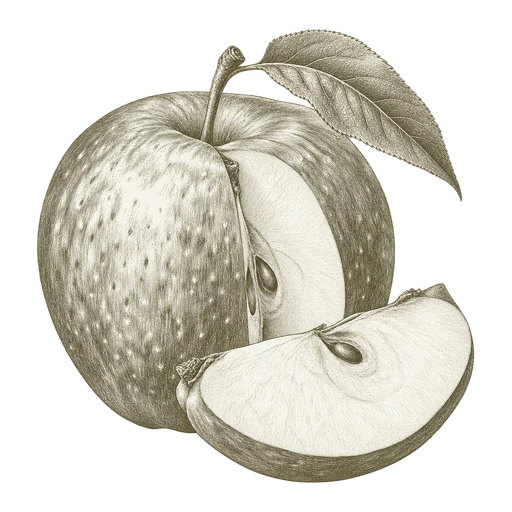
Bulk apples can mean whole fruit, culled apples, dried forms or apple pomace—the residue from pressing apples. Specify the form and intended use first, then compare grade or lot analysis, preservation, receiving needs and storage requirements.
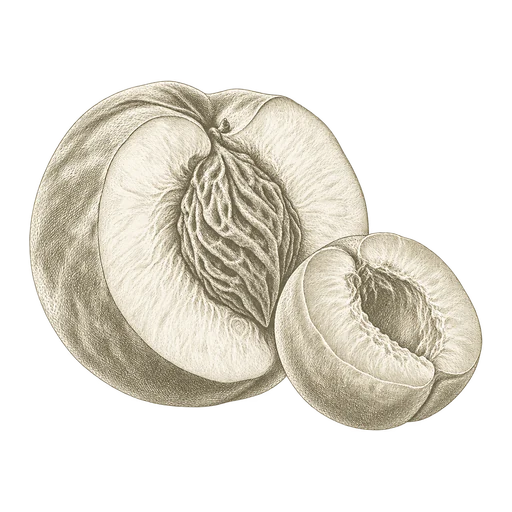
Explore ingredientApricots are sourced fresh or processed into dried fruit and other food forms. Match the form, cut, treatment and quality measures to the intended use, then plan receiving and storage around the product’s handling needs.
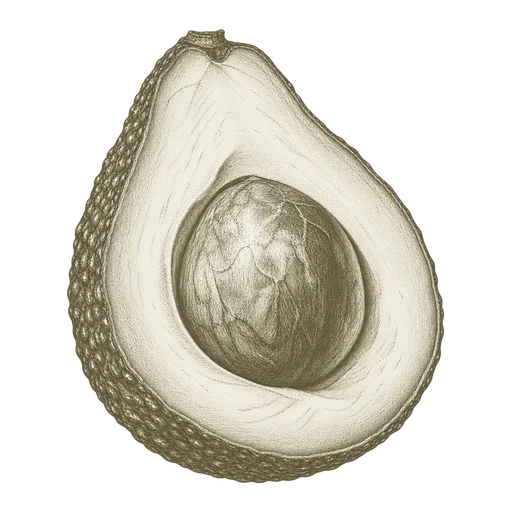
Explore ingredientAvocado feed materials include distinct forms such as pulp-and-peel by-product, peel meal and dried meal. Fraction, processing, intended species and handling needs determine what analysis and safety information matter before a bulk purchase.
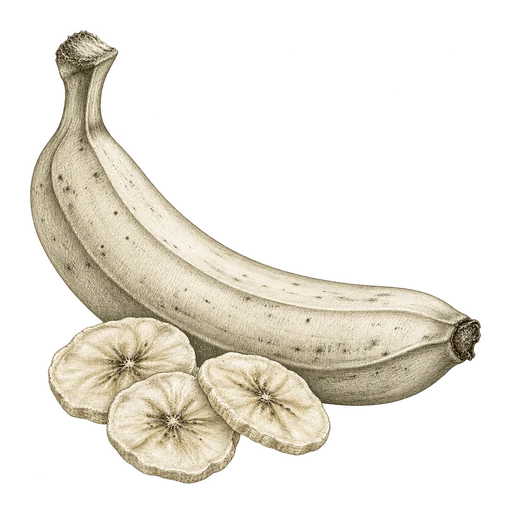
Explore ingredientBanana chips include both fried snack slices and dried banana products for food preparation or flour. Identify the process, added ingredients, and intended use before comparing quality measures and bulk shipment terms.
Explore ingredientNo. Ribes currants are berries from shrubs; Zante currants are small dried grapes. Name the ingredient type explicitly in a sourcing request to avoid confusing two different products.
Documented forms include fresh or frozen whole berries, juice, preserves, and blackcurrant pomace, including dried pomace powder. These forms have different roles and should be specified separately.
The specified species or color, product form and processing, quantity, destination, timing and receiving requirements affect the quote. Availability, packaging and freight terms depend on the offered product and order.
Send your volume, destination, and key specifications. A broker can follow up with availability and commercial terms.