Fruit solids or extracted compounds
Whole-fruit and pomace powders retain fruit material, while extract powders are made by extracting selected compounds. Identifying the process helps align the ingredient with the formulation's intended role.
Ingredient intelligence · quote-ready sourcing
Also searched as Cranberry fruit powder
Cranberry powder may be ground whole fruit, dried juice pomace or a pomace extract, and those forms differ in composition and use. Compare ingredient declarations, processing and relevant quality measures before choosing a bulk product for a food formulation.
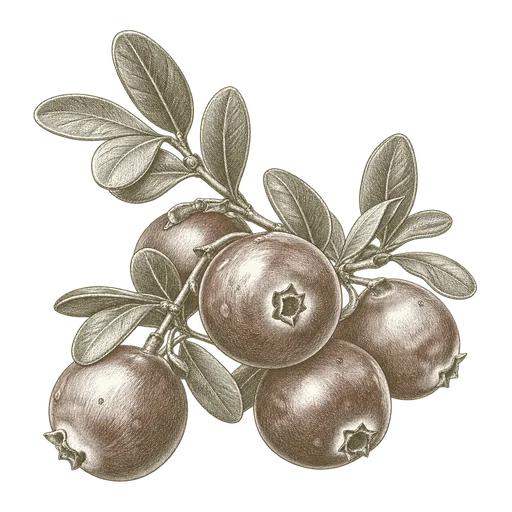
Cranberry powder is a broad product name rather than a single defined material. It can describe ground dried whole fruit, dried pomace remaining after juice pressing, or a powder made from pomace extract. Formulations may also include carriers or other ingredients, so the complete ingredient declaration matters.
Drying and milling preserve a different material from extraction followed by drying. Pomace powder retains fruit solids, including skins and seeds, while extract powder is made from selected extracted compounds. These distinctions affect composition, relevant analysis and the role of the powder in a food formulation.
Whole-fruit and pomace powders retain fruit material, while extract powders are made by extracting selected compounds. Identifying the process helps align the ingredient with the formulation's intended role.
Dried pomace can provide dietary fiber in food formulations. Its actual composition varies with fruit and processing, so a product-specific analysis is needed when fiber content affects the recipe.
Pomace powders have been evaluated for water holding and swelling. These properties can influence texture or moisture management, but the behavior of a specific powder should be assessed in the intended formulation.
A stated polyphenol or proanthocyanidin value is meaningful only alongside the extraction process, carrier content, assay method and measurement basis.
| Characteristic | Why it matters |
|---|---|
| Product identity and ingredient declaration | Distinguishes whole-fruit, pomace and extract powders and identifies carriers or other ingredients. |
| Moisture and water activity | Characterize the powder and inform product-specific storage and handling decisions. |
| Particle-size distribution and bulk density | Describe physical behavior relevant to blending, process fit and receiving. |
| Fiber or proximate analysis and basis | Helps compare composition when fruit or pomace content matters to a formulation. |
| Extract process, carrier and assay basis | Provides context for any claimed polyphenol or proanthocyanidin result. |
| Microbiological criteria | Allow the buyer to assess the material against the requirements of the intended food use. |
Numerical limits are product-specific. Compare current specifications and lot documents using the stated methods and measurement basis.
Start with the full ingredient declaration, not the front label alone. Establish whether the product is whole-fruit powder, pomace powder or extract powder, and identify any carriers or other ingredients. This distinction determines which composition data are relevant and whether two offers are genuinely comparable.
For fruit or pomace powders, moisture, water activity and particle-size distribution can help characterize storage and handling behavior. Bulk density may matter when planning how a powder fits into a process or package. Fiber or proximate analysis should identify its measurement basis. For extract powders, request the assay method and basis for any claimed constituent level. Numerical limits should come from the current product specification and lot documents, not from a general cranberry-powder assumption.
Whole-fruit and pomace powders can serve as fruit-derived ingredients in food formulations; pomace powder is also considered for fiber enrichment. The fruit solids, particle size and water-related behavior can influence the finished product, so a formulation trial is more informative than assuming all powders perform alike.
An extract powder is a distinct ingredient choice when a formulation calls for an extract rather than ground fruit solids. Carrier content and the stated assay affect how it should be evaluated and declared. Human-food research on cranberry ingredients does not establish suitability, safety or inclusion rates for animal feed or pet food.
Powder form, packaging and receiving setup belong in the same order discussion. Share the required product identity, quantity and unit, destination, timing, packaging preference and how the facility can receive the material. These details help a broker assess the offered product and shipment together.
Moisture is a relevant quality and storage measure for cranberry powders, but storage limits and shelf life are product-specific. Use the offered supplier's handling instructions and lot documentation; do not apply one powder's published conditions to a different product.
Whole-fruit or pomace powder can be used as a fruit-derived ingredient. The powder's identity, particle size and formulation behavior influence how it fits into the finished food.
Dried cranberry pomace can contribute dietary fiber. Review the offered composition and test its water-related behavior in the recipe rather than assuming results from another pomace powder.
Cranberry powder can be assessed for dry-blend use, where its physical form and ingredient declaration matter to mixing and finished-product labeling. Confirm performance in the intended blend.
Pomace extract powder is a different ingredient from ground fruit solids. Evaluate the extraction process, carrier content and assay basis against the formulation's intended use.
Specify whether the requirement is whole-fruit, pomace or extract powder, along with the quantity and unit, destination and timing. This distinction matters because the material and its ingredient declaration can differ.
State the packaging preference and how the facility receives and unloads packaged powder. The actual package and shipment arrangement must suit the receiving setup and the offered product.
Moisture is a relevant quality measure, but storage limits and shelf life depend on the specific powder and packaging. Use the offered product's handling guidance and lot documentation, and plan storage to protect the material from moisture and contamination.
Bulk apples can mean whole fruit, culled apples, dried forms or apple pomace—the residue from pressing apples. Specify the form and intended use first, then compare grade or lot analysis, preservation, receiving needs and storage requirements.
Explore ingredientApricots are sourced fresh or processed into dried fruit and other food forms. Match the form, cut, treatment and quality measures to the intended use, then plan receiving and storage around the product’s handling needs.
Explore ingredientAvocado feed materials include distinct forms such as pulp-and-peel by-product, peel meal and dried meal. Fraction, processing, intended species and handling needs determine what analysis and safety information matter before a bulk purchase.
Explore ingredientBanana chips include both fried snack slices and dried banana products for food preparation or flour. Identify the process, added ingredients, and intended use before comparing quality measures and bulk shipment terms.
Explore ingredientThe name can refer to ground dried whole cranberry, dried cranberry pomace, or powder made from pomace extract. Products may also contain carriers or other ingredients, so the full ingredient declaration is needed to distinguish them.
No. Pomace powder is milled dried material remaining after juice pressing, while extract powder is made by extracting selected compounds and drying the extract. Their composition and appropriate quality measures differ.
First compare product identity and ingredient declaration. Depending on the form, relevant measures can include moisture, water activity, particle size, bulk density and fiber or proximate analysis. For extract powder, review the extraction details, carriers, and assay method and basis for any claimed constituent.
Send your volume, destination, and key specifications. A broker can follow up with availability and commercial terms.