Distinct forms serve distinct roles
Whole fruit, juice products and pomace differ in composition and intended use. Naming the form helps keep a food or feed formulation aligned with the ingredient actually being offered.
Ingredient intelligence · quote-ready sourcing
Bulk cranberries can mean whole fruit, juice products, dried fruit, pomace or extracts. Identify the exact form and application, then compare its processing, analysis and handling requirements rather than treating cranberry products as interchangeable.
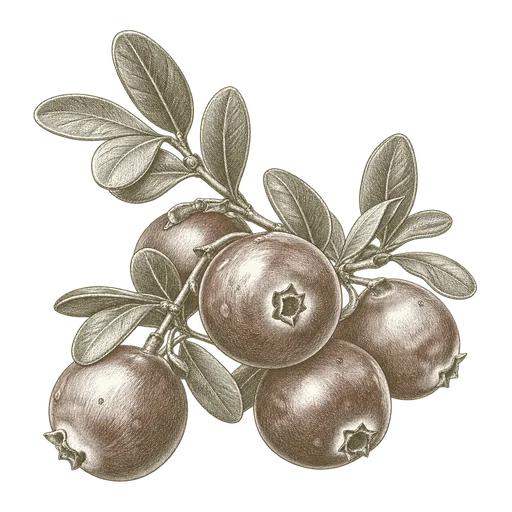
Cranberries used for processing are cultivated fruit identified as Vaccinium macrocarpon. Bulk cranberry ingredients can include whole fruit, juice products, dried fruit, pomace or extracts; each represents a different product and processing route.
Pomace is the skins, seeds and stems remaining after pressing for juice or preparing fruit for canning. Wet, dried and freeze-dried or ground pomace should not be treated as equivalent: moisture and processing affect what an analysis describes.
Whole fruit, juice products and pomace differ in composition and intended use. Naming the form helps keep a food or feed formulation aligned with the ingredient actually being offered.
Pomace analyses can differ with moisture and processing, while juice criteria apply to defined juice products. The product description and reporting basis are essential context for comparing analytical values.
Measures such as moisture, acidity, fiber or polyphenolic profile are relevant only when they match the form and use under consideration. A single cranberry specification cannot describe every product.
| Characteristic | Why it matters |
|---|---|
| Product identity and form | Distinguishes whole fruit, juice products, pomace and extracts, which are not interchangeable. |
| Processing history | Shows whether pomace is wet, dried, freeze-dried or otherwise processed. |
| Moisture and reporting basis | Needed to interpret composition and compare results on a consistent basis. |
| Composition and acidity | Moisture, protein, fat, ash, fiber, pH or acidity may be relevant depending on form and application. |
| Product-specific criteria | Juice requirements apply to defined juice products and should not be transferred to other cranberry forms. |
No single analysis or acceptance limit applies to all cranberry products. Review the offered product specification and lot analysis against the intended use.
Whole cranberries are used in processed products such as strained sauce. Juice ingredients serve a different role and should be specified by product type, such as juice, concentrate or blend. The applicable product specification depends on that formulation; a juice standard should not be treated as a general standard for every cranberry ingredient.
Cranberry pomace has been investigated as a poultry-feed supplement, but that research does not establish a general commercial inclusion rate or prove suitability for other livestock or pet food. Pomace is also not a substitute for whole fruit or juice in a food formulation. For feed use, identify the exact material and have the formulation reviewed against its composition and intended use.
For a meaningful comparison, request the exact product description and processing history alongside its specification. Depending on the form and intended use, relevant analysis can include moisture, protein, fat, ash, fiber, pH or acidity, and polyphenolic profile. No universal acceptance limits apply across all cranberry forms; assess results against the requirements of the particular application.
Handling requirements also depend on the material. Wet pomace and dried or freeze-dried pomace are distinct products, and experimental preparation methods do not establish commercial storage conditions. Use the producer’s guidance for packaging, storage and shelf life for the specific form and lot.
Whole cranberries are used in processed products such as strained sauce. Specify the whole-fruit product and the requirements of the intended processing use rather than relying on specifications for juice or pomace.
Cranberry juice products include juice, blends, drinks, cocktails and concentrates. Formulation affects product identity, so define the product type and applicable analytical criteria when sourcing.
Cranberry ingredients can enter different food formulations as whole fruit or as a defined juice product. The form, composition and any other ingredients in a blend determine whether an offer fits the formulation.
Cranberry pomace has been studied as a poultry-feed supplement. Study-specific findings do not establish a general inclusion rate or suitability for other livestock or pet food; evaluate the exact pomace analysis for the intended formulation.
State the exact form—whole fruit, juice product, dried fruit, wet or dried pomace, or extract—along with quantity and unit, destination, and timing. These details matter because the products have different specifications and handling needs.
Describe the receiving facility’s unloading capabilities and the packaging it can accept. Ask for the packaging and shipment details of the specific offered form before arranging delivery, especially when handling wet material.
Moisture and processing distinguish wet from dried pomace, but general storage limits and shelf life are not established across cranberry products. Obtain handling and storage guidance for the exact form and lot, and plan receiving conditions accordingly.
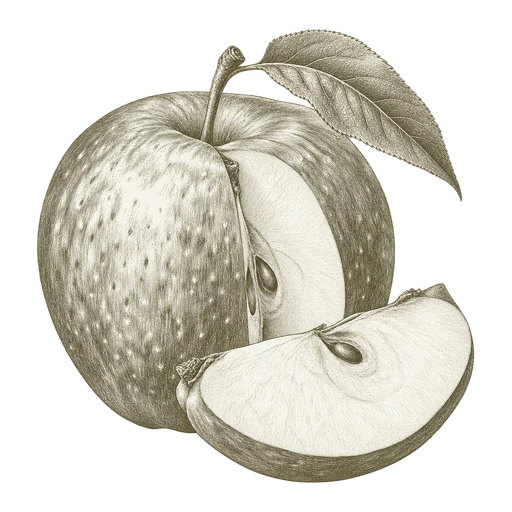
Bulk apples can mean whole fruit, culled apples, dried forms or apple pomace—the residue from pressing apples. Specify the form and intended use first, then compare grade or lot analysis, preservation, receiving needs and storage requirements.
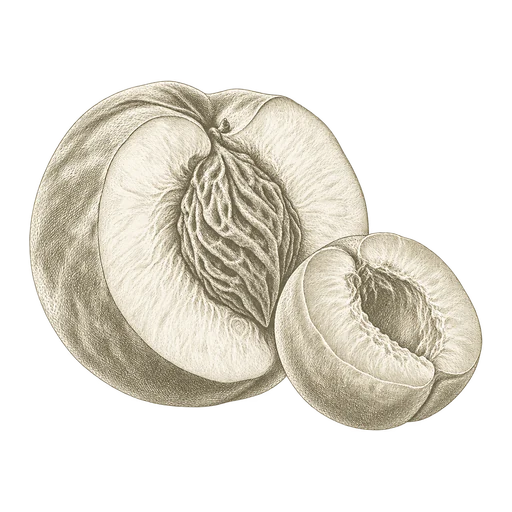
Explore ingredientApricots are sourced fresh or processed into dried fruit and other food forms. Match the form, cut, treatment and quality measures to the intended use, then plan receiving and storage around the product’s handling needs.
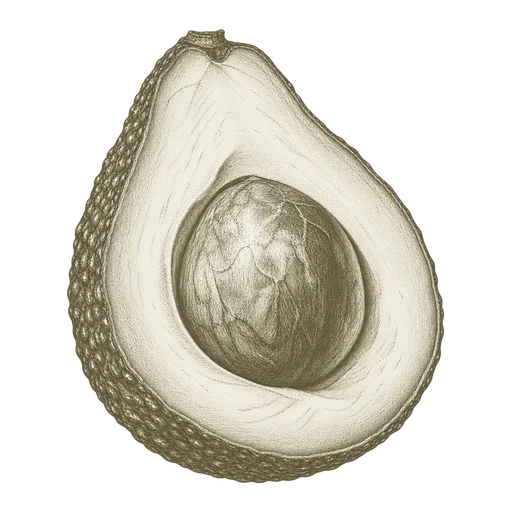
Explore ingredientAvocado feed materials include distinct forms such as pulp-and-peel by-product, peel meal and dried meal. Fraction, processing, intended species and handling needs determine what analysis and safety information matter before a bulk purchase.
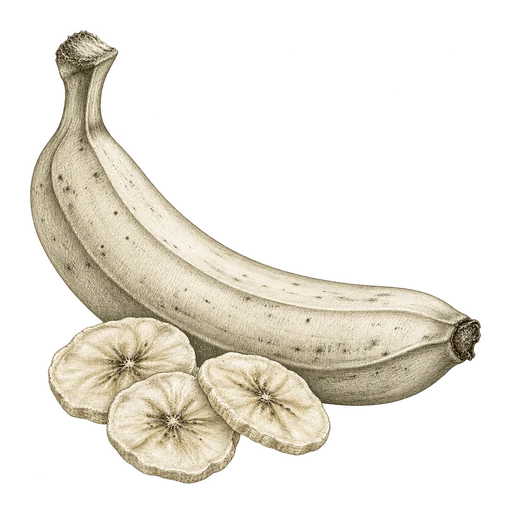
Explore ingredientBanana chips include both fried snack slices and dried banana products for food preparation or flour. Identify the process, added ingredients, and intended use before comparing quality measures and bulk shipment terms.
Explore ingredientCranberry ingredients include whole fruit, juice products such as juice or concentrate, dried fruit, pomace and extracts. These forms are made differently and are not interchangeable; name the specific form and intended use in a sourcing request.
No. Pomace is the skins, seeds and stems left after fruit is pressed for juice or prepared for canning. Its composition depends on processing and moisture, so a pomace analysis does not describe whole fruit or juice.
The form and specification, quantity, destination, packaging or receiving needs, and timing all affect a delivered quote. Provide those details so the broker handling the request can assess the relevant product and freight terms.
Send your volume, destination, and key specifications. A broker can follow up with availability and commercial terms.