Appearance is a distinct buying attribute
Uniform white seed has been favored in some bird-food markets, while striped seed may not meet every buyer’s appearance preference. That preference does not establish nutritional value or safety.
Ingredient intelligence · quote-ready sourcing
Also searched as Safflower seed
Colored safflower is safflower seed identified by its appearance, but the name can mean naturally colored or artificially treated seed. Establish the product identity and intended use, then compare whole-seed condition, moisture and test weight for bird-feed applications.

Colored safflower is safflower seed from Carthamus tinctorius described by seed-coat appearance. Because the name is not standardized, it can describe natural white, brownish or striped coats, or artificially colored seed. Identify the treatment status and intended use rather than relying on appearance alone.
Whole seed consists of a hull surrounding a kernel. Safflower meal is produced after oil extraction and can differ according to dehulling and extraction. Meal analyses do not describe whole colored seed.
Uniform white seed has been favored in some bird-food markets, while striped seed may not meet every buyer’s appearance preference. That preference does not establish nutritional value or safety.
The hull is a substantial part of the seed and limits its value in livestock feed. This distinguishes whole safflower’s common pet-bird use from the role and composition of oil-extracted meal.
Moisture, test weight, foreign material and visible seed damage describe aspects of lot condition and handling that color alone cannot reveal.
| Characteristic | Why it matters |
|---|---|
| Identity and color treatment | Distinguishes naturally colored seed from artificially colored product and clarifies intended use. |
| Seed-coat appearance | White, brownish and striped coats differ visually; appearance requirements can be market-specific. |
| Moisture | Affects storage management; compare the lot result and measurement basis with facility requirements. |
| Test weight or bulk density | Provides a measure used in some trade criteria and supports comparison of offered seed. |
| Foreign material and seed condition | Broken or kernel-less seed, sprouting, heating and visible contamination affect acceptance and handling. |
| Insect condition | Live insects injurious to stored grain are a receiving and storage concern. |
Values and acceptance limits are lot- and market-specific. Agree on sampling and measurement basis for the intended use.
Whole safflower seed is used chiefly in pet-bird feed, including wild-bird mixes and feeds for parrots and pigeons. Some pet-mammal feeds also use safflower seed. The hull is a substantial part of the whole seed, which limits its value in livestock feed and helps explain why whole seed is generally not a routine farm-animal feed ingredient.
Safflower meal is a different product made after oil is extracted from seed. Its composition depends in part on whether the seed was dehulled and how the oil was removed. Do not apply meal analyses or feed guidance to whole, colored seed. Likewise, safflower’s use as an oilseed does not establish that a particular colored lot is intended or suitable for human food.
Moisture matters because it affects storage management; cleaned safflower seed has a moisture limit in some long-term storage guidance, but that figure is not a universal offered specification. Request the actual lot result and the basis used for measurement, then compare it with your facility’s requirements and the planned storage period.
Receiving checks should cover cleanliness, seed condition and signs of live insects as well as moisture. The available evidence does not establish one storage duration or a complete temperature and aeration protocol for every lot and facility. Keep the product protected from moisture and contamination, and obtain handling guidance suited to the delivered seed and your storage system.
Specify whether you need naturally colored seed or artificially colored seed, and state the intended animal feed application. Include the required appearance, quality measures, quantity and unit, destination and timing in the sourcing request. If artificial coloring is involved, require details of the treatment and documentation that addresses your use.
Packaging, unloading method and storage capacity affect whether a shipment can be received and handled at your site. Share those constraints with the broker when requesting a delivered quote. Freight cost and other commercial terms depend on the offered lot and order details and are confirmed for the specific transaction.
Whole safflower seed is used in feeds for pet birds, including parrots and pigeons. The seed’s appearance and identity matter where the feed specification calls for a particular color or treatment status.
Safflower seed is used in wild-bird food mixes. Some markets favor uniform white seed, but this is a market preference rather than a universal quality or nutritional rule.
Safflower seed is described in some pet-mammal feed uses. Buyers should distinguish whole seed from meal and ensure the offered product matches the intended formulation.
Identify whole safflower seed and state whether its color is natural or applied, along with quantity and unit, destination and timing. The intended feed use matters because treatment status cannot be inferred from appearance.
Specify the packaging or receiving method your site can handle, together with unloading access and any receiving constraints. These details help frame the shipment requirement without assuming a particular packaging or freight option is available.
Moisture affects storage management, so include your facility’s storage conditions and planned storage period when reviewing the lot. Keep seed protected from moisture and contamination, and address handling guidance for the specific product and facility.
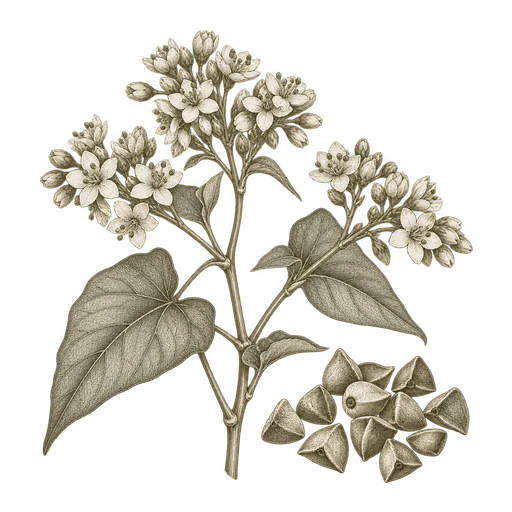
Buckwheat is sourced as whole seed, dehulled groats, flour and milling by-products for food and feed uses. Choose the form and processing status for the intended use, and compare lot quality on a clearly stated basis.
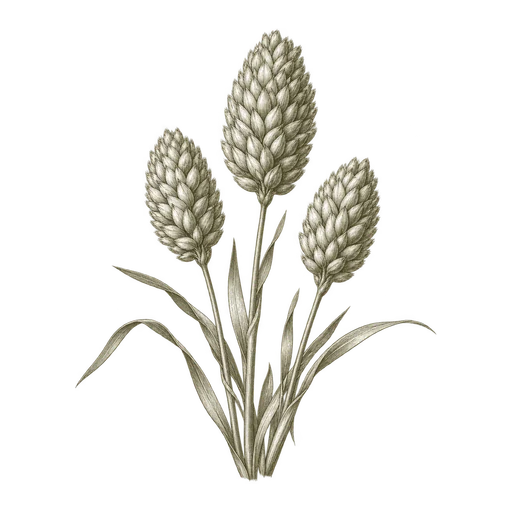
Explore ingredientCanary seed is a grass grain sourced mainly for bird-feed blends, with specific glabrous varieties also processed into food ingredients such as groats and flour. Identify the hull type, intended market and processing form before comparing bulk lots.
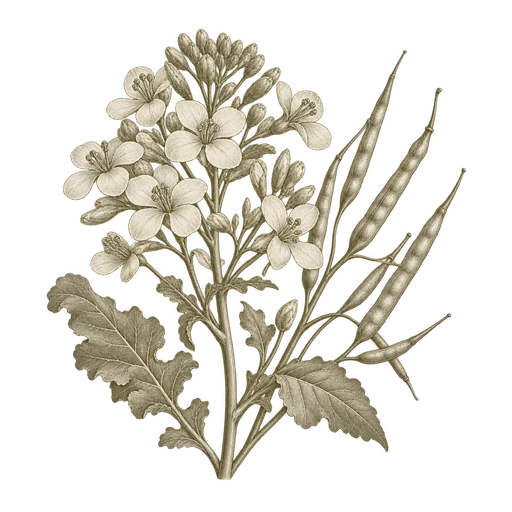
Explore ingredientCanola refers to seed and products including edible oil and feed meal. For bulk sourcing, identify the product and, for meal, compare processing, physical form and lot analysis to match the feed formulation and receiving setup.
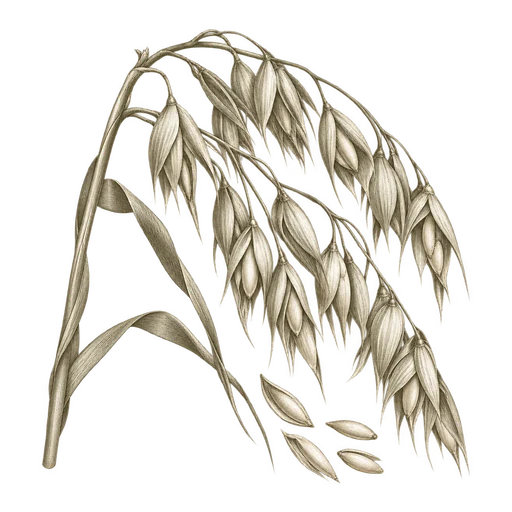
Explore ingredientColored oat groats are dehulled oat kernels for food processing and other uses. Clarify whether color refers to the hull or groat, and specify kernel form and processing state so the offer matches your use.
Explore ingredientIt describes safflower seed by appearance but is not a standardized product specification. It can mean naturally colored seed coats or artificially colored seed, so establish which is offered and, if treated, obtain details of the coloring agent and method.
No. Colored safflower refers to seed, usually whole seed; safflower meal is the separate product left after oil extraction. Dehulling and extraction affect meal composition, so meal specifications do not describe whole seed.
Compare identity and treatment status, moisture, test weight or bulk density, foreign material, broken or kernel-less seed, and visible signs of sprouting, heating or insect activity. Agree on the sampling and acceptance basis; color alone does not establish nutritional quality.
Send your volume, destination, and key specifications. A broker can follow up with availability and commercial terms.