Fractionation changes composition
Flour retains more chickpea components beyond protein than a concentrate or isolate. That distinction helps manufacturers choose between a less-fractionated flour ingredient and a more protein-enriched fraction.
Ingredient intelligence · quote-ready sourcing
Also searched as Garbanzo bean protein
Chickpea protein is available as less-fractionated flour and more processed concentrates or isolates for human-food formulations. Compare protein on a consistent basis and match the ingredient’s demonstrated functional properties to the needs of the finished product.

Chickpea protein ingredients are made from chickpeas (Cicer arietinum). Flour is less fractionated; concentrates and isolates undergo additional processing to separate protein from some oil, starch and other carbohydrates.
Dry fractionation commonly combines milling and air classification, while wet extraction can use solubilization followed by precipitation or membrane filtration. These routes can affect composition and functionality, so buyers should evaluate the offered analysis and performance rather than infer them from a product name.
Flour retains more chickpea components beyond protein than a concentrate or isolate. That distinction helps manufacturers choose between a less-fractionated flour ingredient and a more protein-enriched fraction.
Protein can be reported as-is or on a dry-matter basis. Comparing values on the same basis prevents moisture from making unlike analyses appear directly comparable.
Solubility, water- and oil-holding, emulsifying, foaming and gelling behavior can vary with processing. Protein percentage alone does not establish performance in a particular food matrix.
| Characteristic | Why it matters |
|---|---|
| Form and fractionation | Distinguishes less-fractionated flour from concentrate or isolate. |
| Protein percentage and basis | Enables comparison when values are reported on the same as-is or dry-matter basis. |
| Moisture, fat, fiber and ash | Describes additional composition differences between offered ingredients. |
| Functional test results and methods | Helps assess performance for the relevant food function, such as emulsifying, foaming or gelation. |
| Microbiological, chemical and allergen-control information | Supports evaluation against the food-use and documentation requirements for the application. |
No single concentrate or isolate threshold is universal. Use the offered specification and lot analysis; functional results should be interpreted with their test methods and intended application.
Chickpea protein can contribute protein and functional properties in food formulations, including foaming, emulsifying, binding and gel formation. Performance depends on the ingredient and the food matrix. A higher protein percentage by itself does not establish how well a lot will disperse, hold water or oil, form an emulsion, foam or gel.
Processing and fractionation affect these behaviors. When a function is essential to a product, request the relevant test results for the offered ingredient and note the test method. Results from a particular material or test cannot be treated as a guaranteed value for every commercial chickpea protein.
Food manufacturers use chickpea protein ingredients in product development where plant-derived protein or protein-related functionality is required. Concentrates and isolates are candidates for protein-enriched formulations; flour offers a less-fractionated ingredient. Which form fits depends on the recipe, the desired texture and the role of the ingredient in processing.
A result in one food formulation does not establish performance in another. Confirm whether the intended use depends on solubility, water- or oil-holding, emulsifying, foaming or gelling behavior, then evaluate evidence for that particular function. The available product information here supports human-food applications; it does not establish suitability for animal feed or pet food.
Start with the exact form—flour, concentrate or isolate—and review a current specification and lot analysis. Compare protein on a consistent basis, alongside moisture, fat, fiber and ash. The processing route can help explain differences between products, but composition and test results are more useful than assuming a route guarantees a particular performance.
Where the application makes them relevant, request measured results for functional properties, microbiological and chemical parameters, and information about allergen or cross-contact controls. Also establish the ingredient’s intended food use and applicable labeling requirements. The offered lot’s documentation and commercial terms determine what can be confirmed for a specific order.
Concentrates and isolates can supply chickpea-derived protein in food formulations. Compare protein content on a consistent basis and consider the fraction’s other composition when assessing the recipe.
Chickpea protein may contribute emulsifying behavior, but performance is not established by protein percentage alone. Evaluate relevant results for the offered material in relation to the food matrix.
Foaming is a reported food-use function for chickpea protein ingredients. The form and processing history can affect performance, so application-specific test results matter.
Chickpea protein ingredients are used in development of foods that require binding or gel formation. Match the ingredient to the needed texture and review evidence for the particular product and process.
Specify flour, concentrate or isolate, quantity and unit, destination, and requested timing. Identify any composition or functional requirements so the offered product can be evaluated against the intended food use.
State the packaging preference, receiving method and facility constraints in the order request. Packaging and unloading arrangements affect how the ingredient can be received; confirm the options for the specific offer before arranging delivery.
Use the offered product’s packaging and storage instructions to plan handling at the receiving site. Keep the lot’s specification and any applicable allergen or cross-contact information with the receiving records, and follow the supplier’s stated moisture and storage guidance.
Austrian winter peas are a field pea type supplied for uses including cover cropping, forage and livestock feed. Specify whether you need planting seed, dry grain, hay or silage, since each form serves a different purpose and has different quality considerations.
Explore ingredientDry black beans are used in packaged foods, prepared dishes and canning. Compare whole versus broken or split composition, and assess canning performance separately when the beans will be processed.
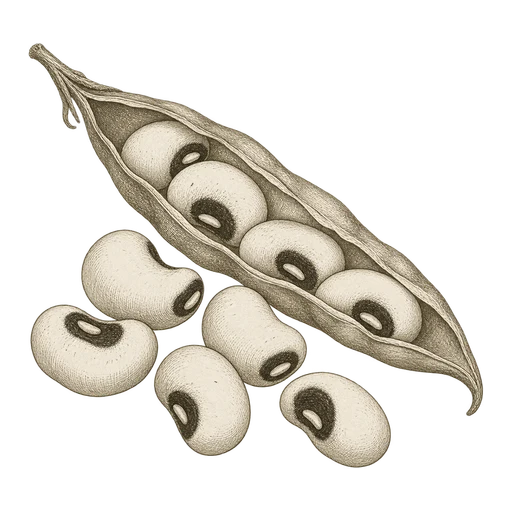
Explore ingredientBlack-eyed peas are mature dry cowpea seeds sourced for human-food markets and processing. Compare whole or processed form, grain condition, moisture context, and the receiving and storage plan before arranging a bulk order.
Explore ingredientChickpea flour is milled from chickpeas for use in breads, baked goods, tortillas, pasta, batters and other foods. Processing history and particle size affect formulation behavior, so compare those details alongside analysis and receiving requirements when sourcing in bulk.
Explore ingredientFlour is less fractionated, while concentrate and isolate undergo additional processing to separate protein from some nonprotein components. The names do not establish a universal protein percentage, so compare the offered analysis and its reporting basis.
No. Protein percentage does not by itself predict solubility, water- or oil-holding, emulsifying, foaming or gelling performance. Match the ingredient to the function your formulation needs and review relevant test results for the offered material.
The form, quantity, specification, packaging and destination affect a delivered quote, along with timing and freight. Include those details in the request so the broker can evaluate the relevant offer and delivery terms.
Send your volume, destination, and key specifications. A broker can follow up with availability and commercial terms.