Fat supplies formulation energy
Chicken fat contributes dietary energy and fatty acids to feed and pet-food formulations. The relevant contribution depends on the lot analysis and the needs of the complete formulation.
Ingredient intelligence · quote-ready sourcing
Chicken fat is a rendered or extracted poultry fat used in animal feed and pet food. Compare its processing description and lot analysis, then match packaging, receiving, and storage plans to the specific product and intended formulation.
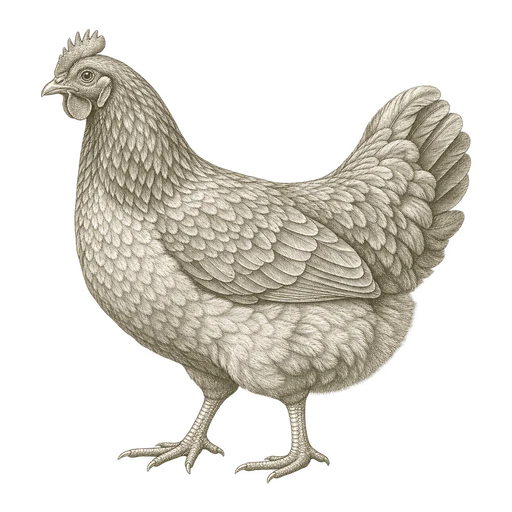
Chicken fat is poultry fat recovered from fatty tissues by rendering or extraction. In animal feed and pet food, fat can contribute dietary energy and fatty acids, and fats can also contribute flavor. Its exact composition is lot- and process-dependent.
Rendered, refined, hydrolyzed, and blended describe distinctions that should not be assumed from the name chicken fat alone. Compare the declared ingredient identity and processing description with the product your formulation requires.
Chicken fat contributes dietary energy and fatty acids to feed and pet-food formulations. The relevant contribution depends on the lot analysis and the needs of the complete formulation.
Rendering or extraction, further refining, hydrolysis, and blending are not interchangeable descriptions. Matching the processing description to the intended ingredient helps avoid comparing unlike products.
Fatty-acid, moisture, impurity, and oxidation measures describe different product characteristics. Reviewing them together gives a more useful comparison than relying on one reported value.
| Characteristic | Why it matters |
|---|---|
| Declared ingredient and processing | Distinguishes chicken fat from broader poultry-fat descriptions and identifies rendering, refining, hydrolysis, or blending. |
| Total fatty acids | Indicates the fatty-acid portion of the material; compare the reported result and basis with the specification. |
| Free fatty acids and moisture | These are distinct measures and should be evaluated separately against the requirements for the intended product. |
| Unsaponifiable matter and insoluble impurities | These measures describe components other than the desired fatty-acid fraction and help characterize the lot. |
| Peroxide value | An oxidation-related measure that should be interpreted with the rest of the analysis, not as a complete quality assessment. |
No universal commercial limits are stated here. Compare current lot results, measurement basis, and test methods with the product requirements for the intended use.
In feed and pet-food formulations, chicken fat can supply dietary energy and fatty acids, and fats can also contribute flavor. Its role depends on the target species, the rest of the formulation, and the offered product’s analysis. A formulator or nutritionist should determine suitability and inclusion level; there is no universal rate established for all chicken fat.
Human-food use is a separate purchasing context. A product described for animal feed or pet food is not established as suitable for human consumption by its ingredient name alone. Buyers with edible-use requirements need to assess the product’s source, processing, controls, and applicable requirements for that use.
Chicken fat is handled as a fat, so shipment and receiving plans should match the actual product’s packaging and physical state. A supplier-specific example of refined chicken fat uses bulk tank transport and heated receiving storage, but those conditions cannot be assumed for every lot. Obtain the offered product’s written packaging, temperature, unloading, and storage instructions before arranging a delivery.
For fats and oils generally, oxygen exposure and higher temperatures can accelerate oxidation, while water can promote hydrolysis. Clean, dry storage and protection from contamination are therefore relevant handling considerations. Follow the product-specific storage limits and shelf-life guidance rather than borrowing figures from another chicken-fat specification.
A useful comparison ties the ingredient declaration and processing description to the current lot analysis, intended use, packaging, and receiving plan. If antioxidant treatment, test methods, sampling date, or particular quality limits matter to your operation, state those requirements when requesting an offer. Commercial terms such as availability, origin, packaging options, and freight depend on the specific offer.
Chicken fat can contribute energy and fatty acids in animal-feed formulations. Its role and inclusion level depend on the target species, the rest of the ration, and the offered lot’s analysis.
Pet-food formulators may use animal fat as a source of additional nutrients and flavor. Confirm that the declared ingredient, processing description, and analysis fit the specific formulation.
Manufacturers incorporating fat into blended feed need to align ingredient identity and analysis with formulation targets and plant receiving arrangements. A nutritionist or formulator should set use levels for the finished product.
State the required ingredient identity and processing description, quantity and unit, destination, and requested timing. These details connect the product specification to the shipment being priced.
Identify the facility’s unloading equipment, access constraints, and acceptable packaging or delivery method. Ask for the specific product’s packaging and any temperature or unloading instructions before arranging receipt.
Keep the receiving and storage plan aligned with the supplier’s written conditions for the offered lot. Clean, dry handling and limiting unnecessary exposure to oxygen, heat, water, and contamination are relevant to fat quality; follow product-specific limits rather than applying another producer’s shelf-life or temperature figures.
Bison meal can mean rendered meat meal, meat-and-bone meal, or bone meal—distinct products with different composition and analysis needs. Define the ingredient type and intended use before comparing lot results or arranging a bulk shipment.
Explore ingredientBlood meal is dried, powdered blood used as a protein ingredient in formulated feed and as a concentrated nitrogen fertilizer. Source, processing and intended use shape which analysis and handling details matter in a bulk purchase.
Explore ingredientBone meal is dried, ground animal bone used as a mineral-bearing ingredient in feed and pet-food formulations. Compare cooked and steamed forms, source species, and calcium and phosphorus analysis to identify the material that fits the intended use.
Explore ingredientBovine plasma is a blood-derived ingredient supplied in liquid, concentrated or spray-dried form. Buyers sourcing it for livestock diets or pet-food formulations should compare species origin, processing, analysis and intended use, then match the product form to their receiving and storage setup.
Explore ingredientChicken fat can contribute dietary energy and fatty acids in animal-feed and pet-food formulations; fat can also contribute flavor. Its suitability and inclusion level depend on the target species, formulation, and offered product analysis.
No. These terms describe different processing distinctions and should not be assumed to be interchangeable. Compare the exact declared ingredient name and processing description with the requirements of your formulation.
Compare the lot analysis for total fatty acids, free fatty acids, moisture, unsaponifiable matter, and insoluble impurities; peroxide value may also be reported. Review results on the stated basis and with the test methods identified, rather than relying on one measure alone.
Send your volume, destination, and key specifications. A broker can follow up with availability and commercial terms.


