Fruit form matches the process
Whole and processed cherries serve different manufacturing needs. A product requiring intact fruit differs from one using juice, a topping or prepared fruit, so naming the form helps avoid comparing unlike offers.
Ingredient intelligence · quote-ready sourcing
Bulk cherries may mean whole fruit, processed cherries or a distinct fraction such as pomace. Identify sweet or sour cherry and the processing form first; these choices affect product use, quality checks and the specifications needed for a useful quote.
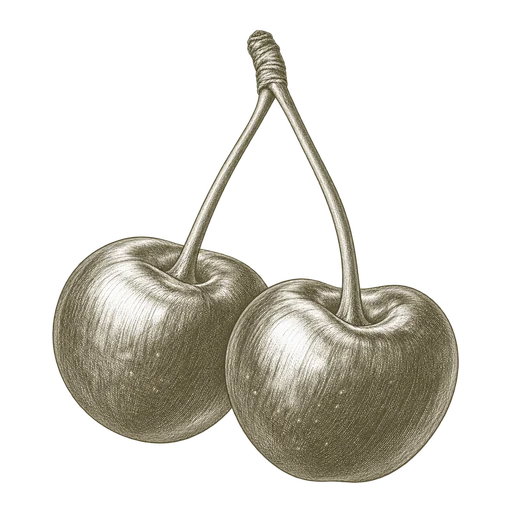
Sweet cherry (Prunus avium) and sour or tart cherry (Prunus cerasus) are distinct fruit identities. Commercial forms include frozen, canned, dried, juiced and brined cherries; the intended recipe and processing line determine which form is useful.
Cherry pomace is the solid material left after pressing fruit for juice, typically skin and remaining flesh. Seed or pit content depends on processing. Pomace is not equivalent to whole fruit, cherry stones or stems, and its composition changes with species and processing.
Whole and processed cherries serve different manufacturing needs. A product requiring intact fruit differs from one using juice, a topping or prepared fruit, so naming the form helps avoid comparing unlike offers.
Pressing leaves a mixture of skins and remaining flesh; seed or pit material may also be present. That variation affects the ingredient description and the analysis needed for a proposed use.
Shape, color, texture, flavor, odor and pits are relevant quality characteristics for dried cherries. Any pit tolerance should come from the specification for the particular intended product, not be assumed universal.
| Characteristic | Why it matters |
|---|---|
| Species and fruit identity | Sweet and sour cherries are different fruit types; identity affects product and formulation decisions. |
| Form and processing | Whole, frozen, dried, canned, juiced, brined and pomace forms are not interchangeable. |
| Pomace composition | State wet or dried condition and whether seeds or pits are included; request a current lot analysis for relevant measures. |
| Dried-cherry quality | Shape, color, texture, flavor, odor and pits can matter to the finished food product. |
| Intended-use requirements | Food or feed use requires specifications appropriate to that use, including relevant safety and contaminant requirements. |
No single composition or quality specification applies to all cherry forms. Compare the offered product with requirements for the specific end use.
For dried cherries, useful quality checks include shape, color, texture, flavor, odor and pits. A specification for one particular dried-cherry purchase may set a pit tolerance, but that limit is not a universal standard for every dried product. Ask for the offered specification and compare lots against the requirements of the product being made.
For pomace, request a current lot analysis rather than relying on a published average. Dry matter, protein, fat, fiber and other measures can change with cherry species, pressing, seed or pit content, drying and analytical method. The relevant panel depends on whether the intended use is food development or a separately evaluated feed application.
One controlled broiler study evaluated dried sour-cherry pomace in a defined diet. That result does not establish a general feeding rate or suitability for other cherry forms, animal species or diets. It also does not establish that cherry pomace is suitable for pet food. Buyers considering feed use need species-appropriate review and specifications for the particular material.
Processed cherries are used in products including juice, jam and toppings. Sour cherries are commonly processed into these forms; buyers should define whether the process calls for fruit, prepared product or juice.
Prepared cherries can provide fruit pieces or filling in baked goods. Sour-cherry pomace has also been tested in bakery filling, but that example does not establish food suitability for every pomace lot.
Dried cherry pomace powder has been tested in dairy-based products. The study context does not make all pomace food-grade; processing history, composition and applicable safety specifications remain important.
A controlled study tested dried sour-cherry pomace in a broiler diet. This is a specific research context, not a general feeding recommendation or evidence for other cherry forms, species or diets.
Identify sweet or sour cherry, the product form and processing condition, quantity and unit, destination and required timing. For pomace, state whether seed or pit material is acceptable because it affects the identity of the material being ordered.
Describe the packaging and unloading method your facility can receive, along with any access or handling constraints. Wet or dried condition and whole-fruit versus pomace form can change what receiving arrangements are appropriate; do not assume a package or delivery method without confirming the offered product.
Storage guidance depends on the form and processing of the cherries, and there is no single supported storage protocol for all forms. Obtain handling instructions for the offered lot, including any moisture-management and contamination-control requirements, before arranging storage.
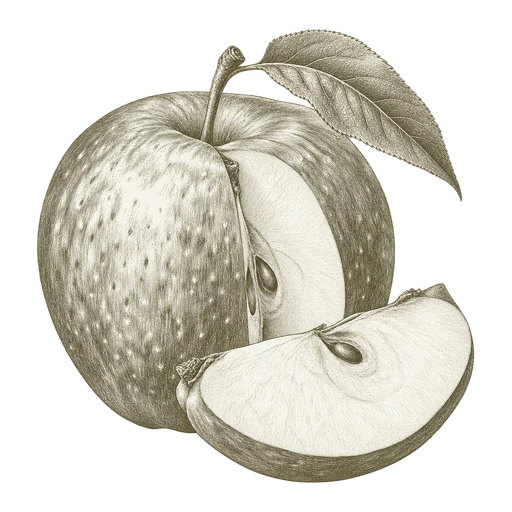
Bulk apples can mean whole fruit, culled apples, dried forms or apple pomace—the residue from pressing apples. Specify the form and intended use first, then compare grade or lot analysis, preservation, receiving needs and storage requirements.
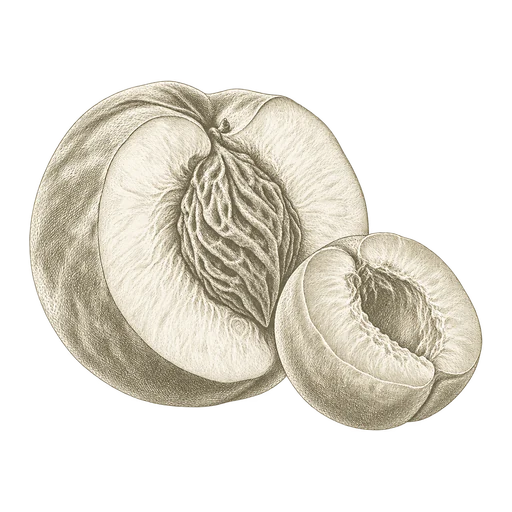
Explore ingredientApricots are sourced fresh or processed into dried fruit and other food forms. Match the form, cut, treatment and quality measures to the intended use, then plan receiving and storage around the product’s handling needs.
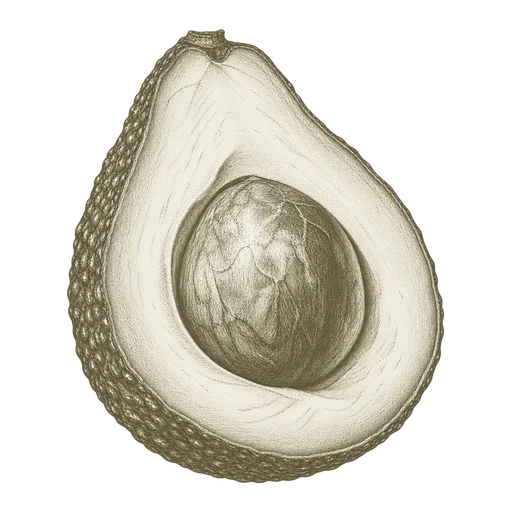
Explore ingredientAvocado feed materials include distinct forms such as pulp-and-peel by-product, peel meal and dried meal. Fraction, processing, intended species and handling needs determine what analysis and safety information matter before a bulk purchase.
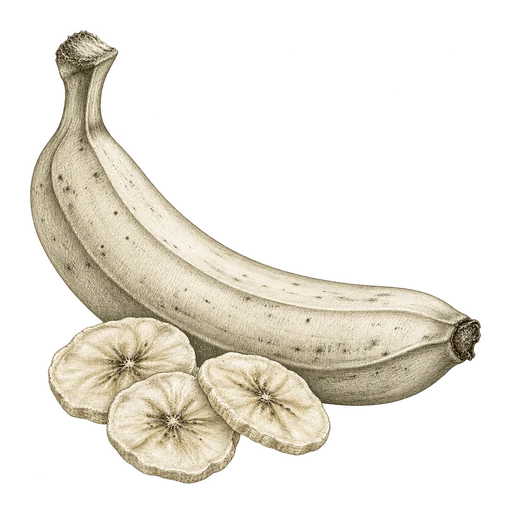
Explore ingredientBanana chips include both fried snack slices and dried banana products for food preparation or flour. Identify the process, added ingredients, and intended use before comparing quality measures and bulk shipment terms.
Explore ingredientCherry products include whole fruit and processed forms such as frozen, canned, dried, juiced and brined cherries. Pomace, stems and stones or kernels are separate processing fractions, so specify the exact material rather than requesting simply “cherries.”
Dried cherries are whole fruit that has been dried. Pomace is the solid material left after fruit is pressed for juice; it generally includes skin and remaining flesh and can contain seeds or pit material depending on processing. Their composition and uses differ.
The species, form, processing, quantity, packaging, destination and timing shape a delivered quote. Share those details and any required analysis or safety specifications so the broker can evaluate the relevant offer and freight.
Send your volume, destination, and key specifications. A broker can follow up with availability and commercial terms.