Cheese-style choice
Different cheese varieties and blends create distinct flavor and color profiles. Naming the intended style helps distinguish a product that matches a recipe from a generic cheese-flavored blend.
Ingredient intelligence · quote-ready sourcing
Also searched as Dried cheese powder
Cheese powder is a dried cheese or cheese-based ingredient used to add cheese flavor to coatings, dry mixes, sauces and other foods. Cheese style, added ingredients and drying method affect composition and performance, so compare the formulation and functional properties with the needs of your process.
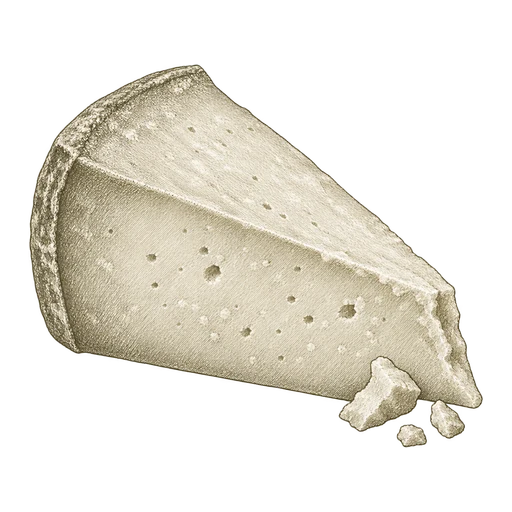
Cheese powder is cheese or cheese-based material dried into a powder. Products can use cheddar, blue, Parmesan, Romano, Swiss-style cheese or blends, and some formulations include other dairy ingredients or additives. The category name does not establish the exact recipe.
Spray drying is common, while some hard Italian-style cheeses are dried by other methods and ground. Composition and processing affect the powder’s physical and functional behavior, so a buyer should compare the actual formulation and how it performs in the intended food process.
Different cheese varieties and blends create distinct flavor and color profiles. Naming the intended style helps distinguish a product that matches a recipe from a generic cheese-flavored blend.
Powder can be blended with other dry ingredients, making it useful in coatings and dry mixes. Particle size and flow behavior matter when the ingredient must distribute consistently through a blend or production line.
Added ingredients and processing can change wetting, dispersion and free-fat behavior. Those differences matter when powder must hydrate into a sauce or adhere as a coating, and should be evaluated in the intended process.
| Characteristic | Why it matters |
|---|---|
| Cheese variety and ingredient list | Identifies the flavor base and whether the powder includes other dairy ingredients or additives. |
| Moisture and packaging | Inform storage and moisture-management decisions; compare the analysis with the package and storage guidance. |
| Fat, salt and protein | Help assess composition against the food formulation and nutrition targets. |
| Particle size, density and flow | Affect dry blending, feeding and consistency in the manufacturing process. |
| Wetting, dispersion or coating behavior | Shows whether the powder’s functional properties suit hydration or surface application. |
Values and analytical basis are product-specific. Use the current specification and lot analysis for the offered formulation.
Cheese powders are used in low-moisture foods and dry blends, including snack coatings, crackers, cereal-based products, dry mixes, soups, sauces, dips, dressings, frozen foods and bakery products. For each application, specify the desired cheese flavor and how the powder enters the process: blended dry, applied as a coating, or hydrated into a mixture.
Powder is not interchangeable with enzyme-modified cheese (EMC). EMC is an enzyme-treated cheese ingredient intended to provide concentrated flavor and can be supplied as a paste or dried material. If a formulation calls for cheese powder, confirm the ingredient identity and composition rather than treating an EMC-based flavor ingredient as equivalent.
Cheese powder quality can change with moisture exposure and packaging. Moisture-barrier packaging and careful closure after opening help limit exposure; storage conditions and shelf life depend on the specific formulation and package. Obtain the product’s handling and storage instructions instead of applying one shelf-life assumption to every cheese powder.
For a bulk order, match the powder’s packaging and net quantity to the receiving setup, and identify any limits on unloading, staging or opening product. Share the intended food application and requirements for composition, allergens, labeling and quality documents when requesting a quote. The actual product, packaging and commercial terms depend on the offer.
Cheese powder supplies cheese flavor in dry coatings. Cheese style, color, particle behavior and adhesion to the snack are relevant to the coating process.
The powder can be blended with other dry ingredients. Particle size and flow influence how it distributes through the blend and moves through production equipment.
These applications incorporate cheese powder into a hydrated mixture. Wetting and dispersion behavior matter because they affect how the powder enters the liquid phase.
Cheese powder can contribute flavor to doughs, blends or coatings used in these products. The appropriate form depends on where it enters the process.
Powder is used in prepared-food formulations where its cheese flavor and behavior in the product mixture need to match the process.
Cheese powder can be incorporated into bakery formulations. Buyers should specify whether it is blended into the mix or applied in another process step.
Specify the cheese style or blend, relevant formulation requirements, quantity and unit, destination, and requested timing. These details identify the product and shipment requirement being priced.
State the packaging preference, receiving method and any unloading or staging limits at the destination. Package format and net quantity affect how the product can be received and moved into production.
Moisture exposure can affect powder quality, and packaging influences storage stability. Obtain the offered product’s storage instructions and shelf life, and plan to close opened packaging as directed.
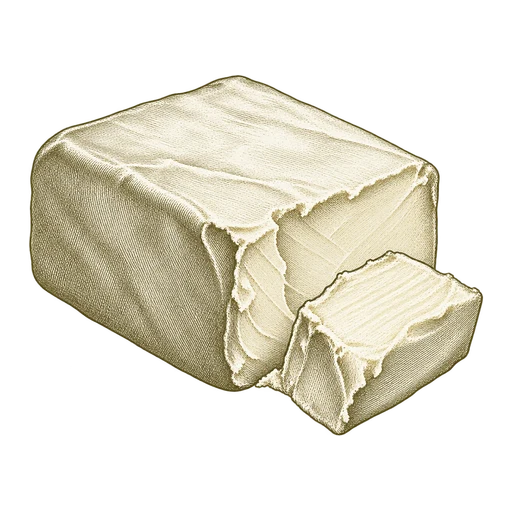
Butter products include churned butter, concentrated milkfat products and formulated powders. Choose the exact form first: composition, recipe role, quality measures and temperature or storage needs differ across these ingredients.
Explore ingredientButtermilk powder is dried liquid buttermilk used to supply dairy solids and flavor in foods such as baked goods, sauces, beverages and desserts. Compare the product’s starting material, composition and functional properties to match it to the formulation and handling process.
Explore ingredientCheese is a broad ingredient category ranging from natural and processed products to cheese powder and trimmings. Define the variety, composition and physical form first; cheese powder serves dry food applications, while other forms require specifications matched to their intended process.
Explore ingredientInstant WPC 80 is a whey-derived protein powder designed to disperse more readily in mixing. Distinguish it from WPI 90, then compare protein basis, lecithin details and lot analysis for the intended food formulation.
Explore ingredientCheese powder is dried cheese or cheese-based material. Depending on the product, it can use one cheese variety or a blend and may include other dairy ingredients or additives. Review the ingredient list and specification to identify the actual formulation.
No. Cheese powder is dried cheese or cheese-based material; enzyme-modified cheese is treated with enzymes to create concentrated flavor and may be supplied as paste or dried material. Confirm which ingredient the formulation requires.
Follow the product’s storage instructions and protect it from moisture exposure. Storage stability depends on both formulation and packaging, so use the stated shelf life and handling guidance for the specific product rather than assuming a universal limit.
Send your volume, destination, and key specifications. A broker can follow up with availability and commercial terms.