Dairy solids in powder form
The powder supplies dairy solids, including milkfat, without requiring liquid buttermilk in the formulation. Its dry form can simplify transport and storage compared with the liquid ingredient.
Ingredient intelligence · quote-ready sourcing
Also searched as Dry buttermilk, Dry buttermilk powder
Buttermilk powder is dried liquid buttermilk used to supply dairy solids and flavor in foods such as baked goods, sauces, beverages and desserts. Compare the product’s starting material, composition and functional properties to match it to the formulation and handling process.
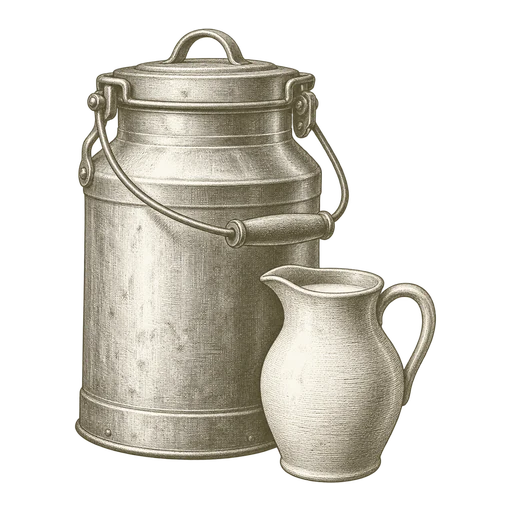
Buttermilk powder is made by drying liquid buttermilk. Dairy processing commonly defines buttermilk as the liquid remaining after cream is churned into butter; the liquid is pasteurized and concentrated before drying. Spray drying is an established method.
The product name does not always identify the starting material. Churned buttermilk differs from cultured buttermilk made by fermenting milk, and sweet and sour products can also differ. These distinctions matter when flavor and composition need to fit a food formulation.
The powder supplies dairy solids, including milkfat, without requiring liquid buttermilk in the formulation. Its dry form can simplify transport and storage compared with the liquid ingredient.
Buttermilk powder contributes dairy flavor and can support browning during cooking. These properties are useful formulation considerations, but their contribution depends on the recipe and the powder’s characteristics.
Solubility and tapped bulk density can help describe how the powder disperses and handles in a production system. They complement composition measures and are most useful when powder flow or mixing behavior affects the process.
| Characteristic | Why it matters |
|---|---|
| Starting material and process | Distinguishes churned buttermilk from cultured or other products, which can affect flavor and composition. |
| Protein, lactose, fat and ash or minerals | Describes the powder’s dairy-solids composition for comparing formulations. |
| Moisture | Relevant to the powder’s dry condition and storage handling. |
| Measurement basis | Allows composition results to be compared on a consistent basis. |
| Solubility and tapped bulk density | Relevant when dispersion, mixing or powder handling affects production. |
Published typical composition values differ by reference and product definition. Use the current specification and lot analysis for the offered product rather than assuming general reference figures apply.
Bakery and confectionery formulations use buttermilk powder to add dairy solids and flavor; its contribution to browning can also matter in cooked products. The recipe’s desired flavor and interaction with other ingredients should guide whether a particular product definition and analysis fit.
In sauces and soups, the powder’s dairy solids and emulsifying or water-binding properties can be relevant to texture and dispersion. Beverages, dressings, desserts and other processed foods are also documented uses. For each application, assess the powder in the actual formulation rather than assuming that all buttermilk powders behave alike.
Dairy products, including yogurt, cheese and ice cream, are reported applications in some formulations. Those uses do not establish that every powder is interchangeable with other milk solids. Define what it is replacing, the intended function and the product characteristics that need to be maintained.
A useful comparison starts with the product’s starting material and process, then moves to composition and functional measures. Protein, lactose, fat, ash or minerals, and moisture describe different parts of the powder; request the measurement basis so offers can be compared consistently.
Where mixing or dispensing performance matters, solubility and tapped bulk density may help distinguish products. They describe different behavior from nutrient composition, so include them only when they matter to the production process. Also identify the intended food use and request applicable allergen and microbiological documentation as part of the specification review.
Set the product definition before comparing delivered offers: specify whether you need churned or cultured material and any sweet or sour distinction relevant to the recipe. Pair that with quantity, units, destination, timing and the required composition or functional measures. Packaging and freight arrangements depend on the specific offer and destination.
Keep the powder protected from moisture and elevated temperatures. Moisture can compromise dry-powder handling, while heat can impair flavor quality. Review the offered packaging, storage history, best-by date and handling instructions; general storage guidance is not a substitute for instructions tied to the product being purchased.
Buttermilk powder supplies dairy solids and flavor in baked goods and confectionery. Its contribution to browning during cooking can be relevant when assessing the formulation; the result depends on the recipe and powder characteristics.
Dairy flavor, emulsification and water binding can make the powder relevant to sauce and soup formulations. Consider how it disperses and interacts with the other ingredients in the specific process.
Buttermilk powder is used in beverages and dressings where dairy solids and flavor are desired. Solubility is worth evaluating when uniform dispersion is important.
Reported uses include dairy products, desserts and custards, as well as yogurt, cheese and ice cream formulations. Do not assume the powder is interchangeable with other milk solids without evaluating its composition and intended role.
The powder can contribute dairy solids and functional properties in processed foods. Define the intended function in the recipe and compare the offered product characteristics against that need.
Identify whether the requirement is for churned or cultured buttermilk powder and note any sweet or sour distinction important to the recipe. Include quantity and units, destination and timing so the product and delivered offer can be evaluated together.
Include the packaging and receiving method your facility can handle, along with any unloading constraints. Packaging and freight arrangements depend on the specific offer, so these details are needed to assess whether the shipment fits the site.
Keep the product protected from moisture and elevated temperatures, which can affect powder handling and flavor quality. Review the offered packaging, storage history, best-by date and product-specific handling instructions before receiving.
Butter products include churned butter, concentrated milkfat products and formulated powders. Choose the exact form first: composition, recipe role, quality measures and temperature or storage needs differ across these ingredients.
Explore ingredientCheese is a broad ingredient category ranging from natural and processed products to cheese powder and trimmings. Define the variety, composition and physical form first; cheese powder serves dry food applications, while other forms require specifications matched to their intended process.
Explore ingredientCheese powder is a dried cheese or cheese-based ingredient used to add cheese flavor to coatings, dry mixes, sauces and other foods. Cheese style, added ingredients and drying method affect composition and performance, so compare the formulation and functional properties with the needs of your process.
Explore ingredientInstant WPC 80 is a whey-derived protein powder designed to disperse more readily in mixing. Distinguish it from WPI 90, then compare protein basis, lecithin details and lot analysis for the intended food formulation.
Explore ingredientNot necessarily. Buttermilk powder can be made from liquid left after cream is churned into butter, while cultured buttermilk is made by fermenting milk. Identify the starting material and any sweet or sour distinction that matters to your formulation.
Compare the product definition and measurement basis along with protein, lactose, fat, ash or minerals, and moisture. If dispersion or powder handling matters to your process, also consider solubility and tapped bulk density. Use the current specification and lot analysis for the offered product.
Protect the powder from moisture and elevated temperatures, and review the offered packaging and product-specific storage instructions. Delivered pricing depends on the product definition, quantity, destination, packaging, timing and freight; commercial terms are confirmed for the specific offer.
Send your volume, destination, and key specifications. A broker can follow up with availability and commercial terms.