Choose the frozen pack for the process
IQF, case-frozen and straight-pack describe different frozen formats. Identifying the needed format helps distinguish fruit intended to be handled as separate pieces from fruit packed together.
Ingredient intelligence · quote-ready sourcing
Also searched as Blueberry
Bulk blueberries are sourced as frozen whole fruit, dried berries, powder, puree and other distinct forms. Match the form and its quality measures to the recipe, processing method and receiving requirements.
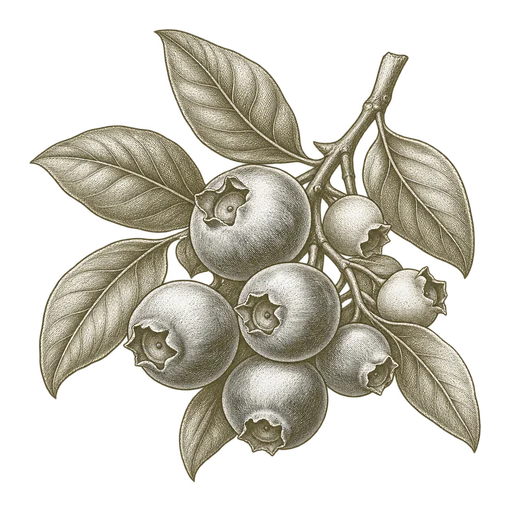
Blueberries are fruit of Vaccinium species and are supplied in forms ranging from whole fresh or frozen berries to dried fruit, powder and puree. Frozen fruit may be IQF, case-frozen or straight-pack; the freezing and packing format affects whether berries remain individually separated or are packed together.
Processing changes the ingredient’s role. Dried and freeze-dried berries are not the same product, and infused dried fruit can include added sugar or fruit juice. Powder, puree and pomace are further-processed forms with distinct uses and quality measures.
IQF, case-frozen and straight-pack describe different frozen formats. Identifying the needed format helps distinguish fruit intended to be handled as separate pieces from fruit packed together.
Infused dried berries may contain added sugar or fruit juice, unlike a product described simply as dried. That distinction matters when a recipe controls sweetness or ingredient declarations.
Blueberry pomace is the residue from juice pressing, not whole berries or blueberry fiber. Its processing history and composition need separate consideration, especially when evaluating a non-food application.
| Characteristic | Why it matters |
|---|---|
| Frozen format | IQF, case-frozen and straight-pack differ in how berries are frozen and packed, affecting handling in the process. |
| Frozen fruit quality | Color, defects and character are used in voluntary U.S. grade standards for frozen blueberries. |
| Dried-product moisture and water activity | These measures help characterize a dried product and should be compared using the offered specification and test method. |
| Added ingredients and processing | Infusion with sugar or fruit juice changes the product description; powder and pomace also require form-specific process details. |
No lot-specific values are established here. Frozen-fruit grading does not apply automatically to dried fruit, puree, powder or pomace.
Dried blueberry products differ by processing as well as by shape. Whole dehydrated berries retain a piece format, while freeze-dried fruit is a separate, more extensively dried form. Infused dried berries can include added sugar or fruit juice, so buyers making a specific ingredient declaration or controlling sweetness should distinguish infused products from fruit dried without those additions.
Moisture and water activity are relevant measures for dried fruit, but values must be interpreted for the offered product and its test method. Ask for the actual specification and storage guidance rather than applying a reference figure for another dried blueberry product.
Blueberry powder can be used in confections, drink mixes and bakery mixes, where a dispersed fruit ingredient is more practical than whole berries. Particle size and the powder’s processing history can affect how it blends into a formulation; confirm those details against the intended process.
Puree is a further-processed fruit ingredient, while blueberry fiber or pomace comes from the residue left after juice pressing. Pomace is not interchangeable with whole fruit or blueberry fiber: its composition depends on the fruit and processing steps. Food and feed uses also require separate evaluation; findings from specific poultry trials do not establish a general feed inclusion rate or suitability for other animals.
Start a product comparison by naming the form and intended use. For frozen whole fruit, describe the required pack and any criteria for color, defects or berry character. For dried products, distinguish whole, infused and freeze-dried fruit, then identify relevant moisture or water-activity requirements. For powder, puree or pomace, specify the format and the analysis or process details that matter to the recipe.
A useful bulk request also states quantity and unit, destination, timing, packaging needs and receiving constraints. These details allow a broker to evaluate the requested product and shipment together. Offered specifications, documentation, packaging and commercial terms depend on the particular lot and supplier.
Frozen whole blueberries can provide recognizable fruit in bakery applications. The required pack format matters when the process depends on separated berries or fruit handled together.
Straight-pack frozen fruit is used in these applications. Match the pack to the way fruit will be thawed, portioned or incorporated.
Blueberry powder supplies a dispersed fruit ingredient where whole berries are not the intended format. Confirm particle size and processing details relevant to blending.
Puree is a processed fruit ingredient for formulations that call for a smooth fruit format rather than whole berries or dry powder.
Pomace is produced from juice pressing, and blueberry fiber is a related but distinct processed ingredient. Evaluate the specific material and intended application rather than substituting it for whole fruit.
Name the fruit form and, for frozen whole berries, whether IQF, case-frozen or straight-pack is required. Include quantity and unit, destination and timing so the product and delivery requirements can be considered together.
State the packaging needed and how the facility receives and handles frozen, dried or liquid fruit products. Unloading and storage arrangements differ by form, so describe relevant facility constraints before evaluating shipment options.
Fresh, frozen and dried blueberries have different storage needs; frozen fruit requires frozen handling, while dried products need storage appropriate to their moisture-sensitive format. Use the offered product’s handling instructions and protect it from conditions that compromise product quality.
Bulk apples can mean whole fruit, culled apples, dried forms or apple pomace—the residue from pressing apples. Specify the form and intended use first, then compare grade or lot analysis, preservation, receiving needs and storage requirements.
Explore ingredientApricots are sourced fresh or processed into dried fruit and other food forms. Match the form, cut, treatment and quality measures to the intended use, then plan receiving and storage around the product’s handling needs.
Explore ingredientAvocado feed materials include distinct forms such as pulp-and-peel by-product, peel meal and dried meal. Fraction, processing, intended species and handling needs determine what analysis and safety information matter before a bulk purchase.
Explore ingredientBanana chips include both fried snack slices and dried banana products for food preparation or flour. Identify the process, added ingredients, and intended use before comparing quality measures and bulk shipment terms.
Explore ingredientCommon food-industry forms include fresh and frozen whole fruit, dried and freeze-dried berries, powder and puree. Blueberry fiber or pomace is a separate processing-derived ingredient. The form offered depends on the supplier and lot.
No. U.S. grade standards for blueberries describe voluntary quality grades for frozen whole fruit. They do not automatically specify dried fruit, puree, powder or pomace; assess those products using measures appropriate to their form.
Storage depends on form: fresh, frozen and dried products have different handling needs, so use the offered product’s storage instructions. Delivered pricing depends on the product form, quantity, packaging, destination and timing; those details are needed to evaluate a specific offer.
Send your volume, destination, and key specifications. A broker can follow up with availability and commercial terms.