Fiber after sugar extraction
Processing removes sugar from the beet and leaves a fibrous pulp. That composition gives pulp a different role from whole sugar beet roots, which are sugar-rich.
Ingredient intelligence · quote-ready sourcing
Sugar beet pulp is the fibrous residue left after sugar extraction and is used in livestock feed. Buyers can source moist pressed or dried shredded and pelleted forms; moisture, analysis and receiving needs determine which form fits a feed program.
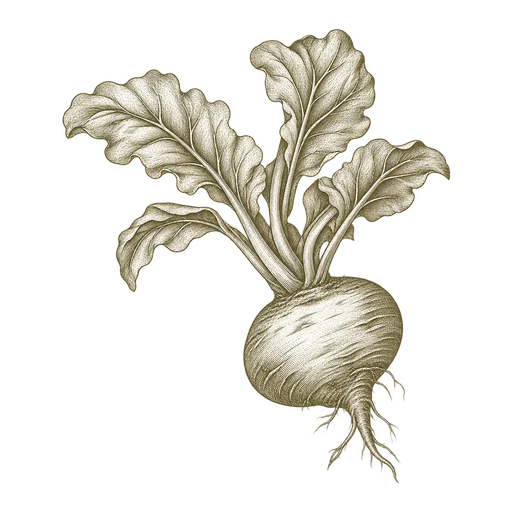
Sugar beet pulp is the fibrous residue remaining after sugar is extracted from sugar beets. It is a feed ingredient distinct from whole beet roots, beet tops, tailings and beet molasses.
Pulp can be supplied pressed and moist or dried. Dried pulp is sold as shreds or pellets. Moisture changes the dry matter represented by a delivered weight, while physical form affects handling and how the material enters a ration.
Processing removes sugar from the beet and leaves a fibrous pulp. That composition gives pulp a different role from whole sugar beet roots, which are sugar-rich.
Pressed pulp carries more water than dehydrated pulp. Comparing dry matter helps a nutritionist assess the amount of actual feed material represented by a wet or dried shipment.
Dried pulp is supplied as shreds or pellets. These forms differ in physical handling, so the receiving and feed-mixing setup should guide the choice.
| Characteristic | Why it matters |
|---|---|
| Identity and processing | Separates sugar beet pulp from whole roots, tops, tailings and molasses. |
| Form and moisture or dry matter | Distinguishes pressed, moist material from dried pulp and supports fair comparison of delivered dry matter. |
| Crude protein and energy measure | Helps a nutritionist assess the ingredient’s contribution within the complete ration. |
| Fiber | Relevant to the pulp’s role in livestock feed and ration formulation. |
| Mineral analysis | Can matter for species- and ration-specific evaluation; compare results on a consistent basis. |
Values depend on the offered lot. Compare analyses using the same reporting basis, such as as-fed or dry matter.
Pulp is a fiber ingredient used in livestock feed. In horse feeding, it is valued as fermentable fiber and can provide energy with less starch than cereal-based concentrates. Horse-feed references distinguish pressed from dehydrated pulp, but their example analyses are not guaranteed specifications for a commercial lot.
Cattle applications include supplements and ration formulations where pulp contributes fiber and energy. Its role differs from whole sugar beet root, which is sugar-rich; extraction leaves the pulp with a more fibrous character. Dairy-cattle research has examined pulp as a partial substitute for grain, but ration decisions must reflect the offered analysis and the animal’s full diet rather than transfer a result from one formulation to another.
Beet pulp also appears as a fiber source in companion-animal nutrition. That does not establish that a given feed-grade lot is appropriate for pet food; intended use, ingredient characteristics and finished-product requirements must be evaluated separately.
Start by verifying product identity and processing, then compare moisture or dry matter on the same basis. This is especially important when comparing wet and dried pulp because water changes both the weight delivered and the amount of dry ingredient in that weight.
For ration evaluation, crude protein, an energy measure, fiber and, where relevant, mineral analysis can help a nutritionist compare lots. Check whether results are reported as-fed or on a dry-matter basis; values stated on different bases are not directly comparable. The available reference figures describe example feed tables, not a guaranteed offer.
Moisture shapes both freight economics and storage planning. Wet pulp’s water content can limit practical transport distance, and it requires a receiving and storage plan suited to moist material. Dry pelleted pulp is generally stored in bins or commodity sheds protected from moisture and rodents; those conditions should not be assumed to fit every product or facility.
Before ordering, align the product form with the destination’s unloading equipment and storage system. For a quote, provide the quantity and unit, destination, timing, packaging or receiving method, and the quality measures needed for the intended feed program. Price and availability depend on the specific offer and shipment.
Sugar beet pulp is used in cattle supplements and rations as a fiber and energy ingredient. Its contribution should be evaluated alongside the full diet and the offered analysis; wet and dry forms are not equivalent by delivered weight.
Pulp has been studied as a partial substitute for grain in dairy-cattle diets. Whether it fits a particular ration depends on the pulp analysis and formulation, rather than on a general inclusion assumption.
In horse feeding, beet pulp is used as a fermentable-fiber ingredient that can provide energy with less starch than cereal-based concentrates. Shreds or pellets and dry or rehydrated forms affect preparation and handling.
Dried shreds or pellets can be considered for blended feed and ration programs. The mill’s handling system and the required moisture, nutrient and mineral analysis determine whether a particular offer fits.
Specify pressed moist pulp or dried shreds or pellets, along with quantity and units, destination and desired timing. Form and moisture matter because they affect the dry matter delivered and the suitability of the shipment for its intended use.
Describe unloading equipment and the storage system available at the destination before arranging freight. Moist pulp needs a receiving plan for wet material, while dry pelleted pulp is generally stored in bins or commodity sheds protected from moisture and rodents.
Keep the handling plan appropriate to the product’s moisture: wet pulp requires storage designed for moist material, and dried pulp should be protected from moisture. Rodent protection is also relevant to dry-pulp storage.
Bulk broccoli is commonly sourced as fresh whole crowns or cut florets. Choose the form for your receiving and preparation needs, and plan quality checks and cold storage accordingly; broccoli residues intended for feed are a separate, variable material.
Explore ingredientCabbage feed can mean whole cull vegetables or leaves and cores from sauerkraut processing. These high-moisture materials differ in composition and handling, so compare the specific stream, current analysis and receiving plan before buying for cattle.
Explore ingredientBulk carrots can mean fresh roots, frozen or dehydrated product, ensiled feed material, or processing by-products such as juice pomace. Identify the exact form and intended use, then compare moisture and analysis on a consistent basis.
Explore ingredientCelery is sourced for food use as fresh stalks and leaves, frozen celery, or dried material. Specify the plant part and form because they differ in culinary role, handling, quality measures and storage needs.
Explore ingredientSugar beet pulp is available as moist, pressed material or dried pulp; dried pulp is supplied as shreds or pellets. The form affects moisture, delivered dry matter and handling, so identify the required form when requesting a quote.
No. Pulp is the fibrous residue remaining after sugar extraction. Whole roots, beet tops, tailings and molasses are distinct materials with different characteristics and should not be treated as sugar beet pulp.
The product form and moisture, requested quantity, destination, timing and receiving or packaging requirements all affect a delivered quote. Wet pulp’s water content is an important consideration because it changes the dry matter delivered and can limit practical transport distance.
Send your volume, destination, and key specifications. A broker can follow up with availability and commercial terms.


