Independent sourcing. Better connections.Commercial buyers · Bulk ingredients
topic

Seed and oil quality

This topic groups chia and coconut oil around practical quality decisions for bulk food buyers. The ingredients call for different checks: clarify chia’s form and, for oil, its processing; define coconut oil’s grade and sensory expectations. For either oil, compare test results only when methods and reporting bases align.

3 ingredients6 published Insights
EXPLORE THE COLLECTION

Seed and oil quality ingredients

Seeds

Chia

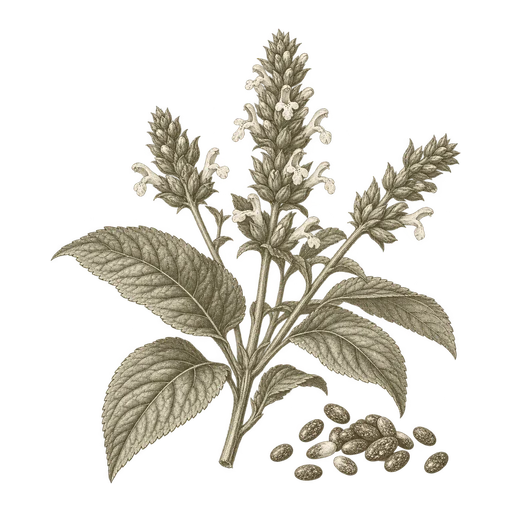
Chia is an oilseed sold as whole or milled seed, gel or mucilage, oil, and extraction coproducts. Choose the form around its role in food or feed, and compare product-specific quality measures and handling needs before arranging a bulk shipment.

Explore ingredient

Oils/Fats

Coconut Oil

Coconut oil is a coconut-kernel oil used in human food and food formulation. Compare processing history, lot-specific quality measures and temperature-handling needs when sourcing a bulk shipment.

Explore ingredient

Two ingredients, different quality questions

This collection brings together chia and coconut oil, but they are not interchangeable product types. Chia may be supplied as whole seed, milled seed or oil; coconut oil is extracted from the coconut kernel. Buyers should start with the exact ingredient form and intended food use, then assess quality against that form rather than treating “seed and oil” as one specification category.

Specify form, processing and sensory fit

For chia, confirm whether the formulation needs intact seeds, milled material or oil. Whole chia develops gel-like mucilage when hydrated, while chia oil has a different role and quality profile. If buying oil, extraction method and fatty-acid profile help define what is being purchased.

For coconut oil, identify the processing grade: virgin oil from fresh coconut and oil made from dried kernel, including refined forms, have different production histories and sensory expectations. Confirm whether the application calls for characteristic coconut aroma and flavor or a more neutral profile.

Compare test results on a consistent basis

For oils, useful lot documentation can include fatty-acid profile, free fatty acids or acid value, peroxide value, moisture or volatile matter, and insoluble impurities. Sensory criteria also matter, particularly for coconut oil. Check the analytical method and reporting basis: free acidity and acid value use different units and are not directly interchangeable.

For bulk purchasing, match the specification and certificate of analysis to the requested form and intended use. Review packaging and storage guidance for the actual product; oil quality can be affected by heat, light and oxygen, while chia seed moisture and storage conditions also need consideration. Do not assume one shelf-life or storage condition applies to every product.

Common questions.

Is chia available as seed or oil?+

The name alone does not establish the form. Confirm whether the product is whole seed, milled seed or oil, and specify any processing details needed for chia oil.

What should a coconut oil specification identify?+

It should define the processing form, such as virgin or refined oil, and set relevant identity, sensory and analytical criteria for the intended food use.

Can I compare free acidity and acid value directly?+

No. Free acidity may be reported as a percentage of a named fatty acid, while acid value is reported in mg KOH/g oil. Compare results only after checking their methods and reporting basis.

Which oil tests are useful for quality review?+

Depending on the product and specification, review fatty-acid profile, free fatty acids or acid value, peroxide value, moisture or volatile matter, and insoluble impurities.

Seed and oil quality · BUYER INSIGHTS

Go deeper before you source.

Focused guides to the specification, application, and delivery questions behind this ingredient.

FIELD GUIDE01Seed and oil quality
Buyer’s guide

Planning bulk sunflower hearts receiving and storage

Plan a bulk sunflower hearts order around your site’s receiving capabilities and storage conditions. Dehulled kernels need product-specific handling decisions; whole-seed storage guidance should not be applied automatically.

Read this Insight
FIELD GUIDE02Seed and oil quality
Buyer’s guide

Choosing sunflower hearts for sunflower seed butter

A practical guide to defining raw or roasted, whole or broken sunflower hearts—and the cleanliness, condition and food-safety requirements needed for sunflower seed butter.

Read this Insight
FIELD GUIDE03Seed and oil quality
Buyer’s guide

How to compare sunflower hearts specifications and lot analysis

Compare sunflower hearts by physical form and processing state as well as by analysis. Learn how moisture, nutrient reporting basis, foreign material and kernel condition shape a useful lot specification.

Read this Insight
FIELD GUIDE04Seed and oil quality
Buyer’s guide

Coconut Oil Bulk Storage and Receiving: Temperature Planning

Plan bulk coconut oil delivery around the specific lot’s temperature instructions, the shipment setup and your facility’s unloading and storage capabilities.

Read this Insight
FIELD GUIDE05Seed and oil quality
Buyer’s guide

Coconut Oil for Food Texturizing: Matching Process to Function

Coconut oil can contribute body, firmness and mouthfeel when incorporated into a food, but its role and processing conditions matter. Learn how to align the texture target with the oil’s processing description, lot analysis and formulation evaluation.

Read this Insight
FIELD GUIDE06Seed and oil quality
Buyer’s guide

Coconut Oil Quality Measures: Comparing Lot Analyses

Compare bulk coconut oil analyses by understanding what each measure reports: composition, hydrolytic change, primary oxidation, water or insoluble material. Method, units and reporting basis matter as much as the result.

Read this Insight