Independent sourcing. Better connections.Commercial buyers · Bulk ingredients
topic

Rendered protein ingredients

Explore Duck Meal and Lamb Meal, two species-named rendered animal-food ingredients. Compare their lot-specific composition and verify identity, handling and intended-use details before bulk purchasing.

4 ingredients6 published Insights
EXPLORE THE COLLECTION

Rendered protein ingredients ingredients

Animal Products

Duck Meal

Duck meal is a dry-rendered, ground animal ingredient used as a raw material in dog and cat foods. Compare the source tissues, ingredient identity and lot analysis to match the product with formulation and labeling requirements.

Explore ingredient
Animal Products

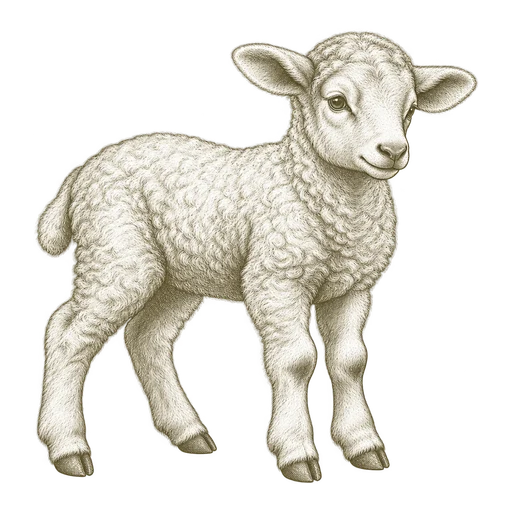
Lamb Meal

Lamb meal is rendered, dried and ground ovine tissue used in animal food. Compare the product definition and lot analysis—including protein, fat, ash and moisture—and match the offered form and receiving arrangement to the intended use.

Explore ingredient
Animal Products

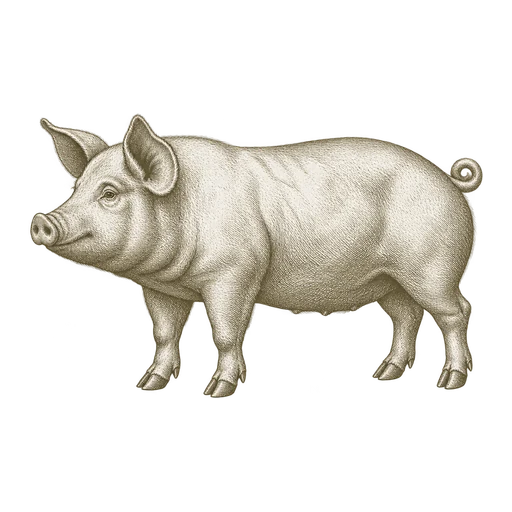
Porcine Meat Meal

Porcine meat meal is a rendered animal-protein ingredient identified as pig-derived. Compare documented product identity, nutrient and mineral analysis, and any amino-acid data needed for the intended feed formulation.

Explore ingredient
Feed Ingredients

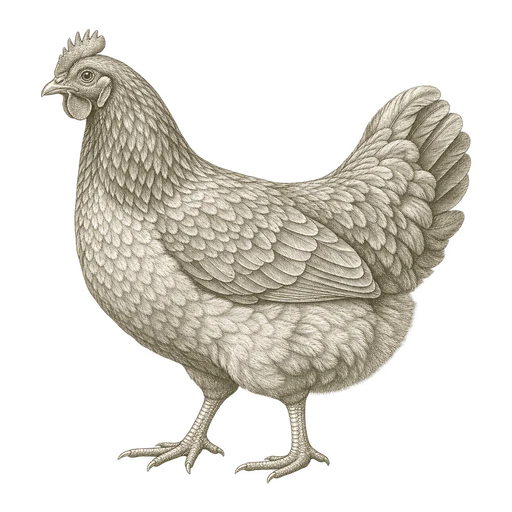
Poultry Meal

Poultry meal is a rendered, ground ingredient used in formulated animal diets. Its declared identity and lot analysis matter: compare protein, fat, minerals, moisture and, where relevant, amino-acid information before choosing an offer.

Explore ingredient

What this collection covers

Rendered protein ingredients are made by cooking animal material and removing much of its water and fat, resulting in a concentrated, dried material. This collection includes Duck Meal and Lamb Meal. Their species names identify an important difference, but do not establish an exact nutrient profile or prove that the ingredients can be substituted for one another.

The precise declared ingredient name and the materials used matter. A broad label such as “rendered protein” is not enough to establish which tissues are included or the applicable ingredient definition. Confirm those details for the intended animal-food market.

How to compare duck meal and lamb meal

Compare current, lot-specific analyses for crude protein, crude fat, moisture, ash, calcium and phosphorus. Check whether results are reported as-fed or on a dry-matter basis before comparing figures. Ash and mineral results are relevant to formulation as well as protein concentration.

If usable protein is important to the formula, ask for amino-acid and digestibility information; crude protein alone does not describe digestible amino-acid supply. Available evidence does not establish species-specific nutrient ranges or digestibility values for Duck Meal and Lamb Meal, so avoid assuming one meal matches the other.

Bulk purchase and handling details

Before committing to a lot, verify its exact name, species and source, included materials, processing and any additives. Request the lot-specific specification and certificate of analysis, and establish production date, packaging and storage history. Dry rendered meals should be protected from water and environmental contamination during handling and storage.

Confirm intended animal-food use and applicable market requirements. Species-specific inclusion rates and suitability depend on the actual material and the complete formulation; they should not be inferred from the collection name.

Common questions.

Are Duck Meal and Lamb Meal nutritionally interchangeable?+

Not based on their names alone. Compare lot-specific nutrient analyses on the same reporting basis, and consider amino-acid and digestibility data if the formula depends on usable protein.

Does “meal” specify a fixed protein percentage?+

No fixed percentage is established here for either ingredient. Request the current guaranteed analysis and check whether values are reported as-fed or on a dry-matter basis.

What should I verify in a bulk lot?+

Check the exact ingredient name and species, included materials, processing and additives, lot-specific analysis, production date, storage history, packaging and intended animal-food use.

Can I choose an ingredient based only on its species name?+

No. Species identifies a source distinction, but does not establish composition, digestible nutrient supply, inclusion rate or eligibility for a particular use.

Rendered protein ingredients · BUYER INSIGHTS

Go deeper before you source.

Focused guides to the specification, application, and delivery questions behind this ingredient.

FIELD GUIDE01Rendered protein ingredients
Buyer’s guide

Planning bulk poultry meal receiving and storage

Plan bulk poultry meal receiving around the order quantity, delivery location, packaging and unloading equipment your facility can handle. Protect the dry meal from moisture, inspect packaging on arrival and use the storage guidance for the specific product.

Read this Insight
FIELD GUIDE02Rendered protein ingredients
Buyer’s guide

Poultry meal in feed formulation: what the analysis tells you

Crude protein is only a starting point when evaluating poultry meal for a formulated diet. Mineral contribution, amino-acid information and digestibility help a formulator assess how the specific product may fit the intended formula.

Read this Insight
FIELD GUIDE03Rendered protein ingredients
Buyer’s guide

How to compare poultry meal specifications and lot analysis

Compare poultry meal offers by first aligning ingredient identity and analytical basis, then reviewing protein, fat, ash, moisture and mineral values together. Use the lot analysis to check the shipment under consideration, and request amino-acid or digestibility detail when it informs the formulation.

Read this Insight
FIELD GUIDE04Rendered protein ingredients
Buyer’s guide

Planning bulk receiving and storage for porcine meat meal

Plan a bulk porcine meat meal order around the receiving site: define quantity, destination and timing, specify packaging and unloading constraints, and obtain storage guidance for the actual product.

Read this Insight
FIELD GUIDE05Rendered protein ingredients
Buyer’s guide

Porcine meat meal in swine diets: formulation questions

Evaluate porcine meat meal for swine diets by checking product identity, lot analysis, amino-acid and relevant digestibility information, then formulating against the complete ration and its requirements.

Read this Insight
FIELD GUIDE06Rendered protein ingredients
Buyer’s guide

How to compare porcine meat meal specifications

A practical guide to comparing porcine meat meal specifications: verify product identity and category, align analysis bases, then evaluate protein, fat, moisture, ash, calcium and phosphorus together.

Read this Insight