Independent sourcing. Better connections.Commercial buyers · Bulk ingredients
topic

Pulse specifications

A buyer overview of bulk pulse specifications for green lentils, kidney beans, maple peas and navy beans, with practical guidance on confirming identity, form, quality criteria and intended use.

8 ingredients6 published Insights
EXPLORE THE COLLECTION

Pulse specifications ingredients

Pulses

French Green Lentils

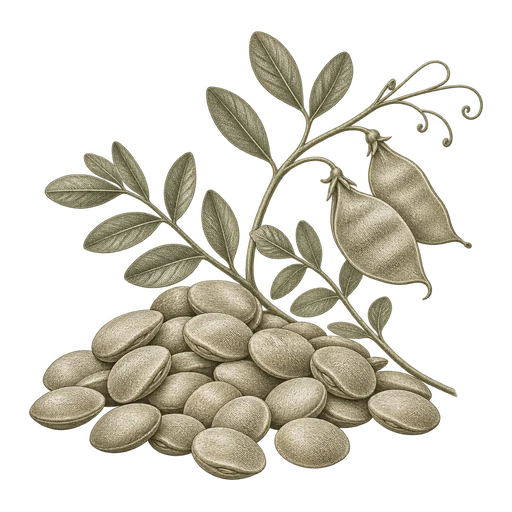
French green lentils are sold as whole or split lentil seeds for food uses where form, color and cooking characteristics matter. The name does not guarantee French origin or Puy identity, so compare lot identity, physical quality and intended-use requirements when sourcing in bulk.

Explore ingredient
Pulses

Green Lentils

Green lentils are dry pulse seeds sold in forms such as whole, split, dehulled and flour. Compare the processing form, grade documentation, color, moisture and cleanliness against the needs of your food process or reviewed feed formulation.

Explore ingredient
Pulses

Kidney Beans

Kidney beans are dry edible beans sold in distinct color classes and forms, from whole beans to processed meal or flour. Specify the class, form and intended use so quality measures, processing history and receiving needs can be evaluated together.

Explore ingredient
Pulses

Maple Peas

Maple peas are a specialty type of field pea sourced for markets including racing-pigeon food. Variety and lot can differ in seed-coat and cotyledon color, size and analysis, so buyers should specify the required form and compare lot-level details for the intended use.

Explore ingredient
Pulses

Navy Beans

Navy beans are small, white dry beans used in retail packs and foods such as baked beans, soups and stews. Specify the navy market class, required form and end-use quality factors when comparing bulk lots.

Explore ingredient
Feed Ingredients

Pea Screenings

Pea screenings are a variable grain-cleaning fraction used in livestock feed formulation. Compare whether the lot is pea-only or mixed pulse material, its physical form, analysis basis and foreign-material profile before deciding whether it fits your ration and receiving equipment.

Explore ingredient
Pulses

Red Lentils

Red lentils are sold whole, split, or split and dehulled for food processing and, where appropriate, feed use. Compare the physical form and quality factors such as moisture, foreign material, damage and color to match the order to its intended use.

Explore ingredient
Pulses

Split Green Peas

Split green peas are dried mature field peas that have been dehulled and split for cooking and food manufacturing. Compare seed condition, moisture, fines, and analysis basis, then match the order and receiving plan to the intended use.

Explore ingredient

What this pulse collection covers

Pulses are mature, dry seeds of legume crops. This collection brings together green lentils, kidney beans, maple peas and navy beans. The names refer to different ingredient types and market classes, not interchangeable products. In particular, confirm the precise class and market designation of maple peas rather than relying on the name alone.

The ingredient name also does not establish whether a lot is whole, split or otherwise processed, or whether it is suitable for a particular end use. Define the intended form and application when comparing offers.

Compare identity, form and quality

Green lentils, kidney beans, maple peas and navy beans have distinct identities; specifications should name the ingredient and applicable market class. Navy beans are also called pea beans in some commercial contexts, but verify the supplier’s product identity and the standard used for the lot.

A useful specification goes beyond moisture. Depending on the ingredient and intended use, buyers may need to define grade and inspection basis, foreign material, defects or damage, splits, and relevant seed size or color attributes. The applicable limits and evaluation methods should be stated in the contract rather than inferred from a general grade name.

Set the buying specification around use

For a bulk purchase, state the required ingredient, form, end use, crop year, grade or inspection basis, packaging and buyer-required tests or documents. For food applications, confirm that the offered lot meets the buyer’s food requirements; a familiar culinary use does not establish a lot’s qualification. Feed use also requires separate review for the intended species and formulation, including relevant analysis and processing information.

Identify the standard and revision that govern the transaction, along with the inspection method and contract terms. Moisture, handling condition and packaging matter to receiving and storage plans, but the appropriate requirements depend on the specific lot and the buyer’s operation.

Common questions.

Are green lentils, kidney beans, maple peas and navy beans all pulses?+

Yes, when supplied as mature, dry edible seeds. Confirm the commercial class and form for each lot.

Are navy beans and pea beans the same?+

Navy beans are also referred to as pea beans in some commercial contexts. Verify the supplier’s identity and the standard that applies to the lot.

Is moisture enough to compare pulse lots?+

No. Grade, inspection basis, foreign material, defects, damage and splits may also affect acceptance; relevant criteria vary by ingredient and contract.

Does a food-use example prove a pulse lot is suitable for feed?+

No. Feed suitability requires a separate review for the intended species and formulation, including relevant analysis and processing information.

Pulse specifications · BUYER INSIGHTS

Go deeper before you source.

Focused guides to the specification, application, and delivery questions behind this ingredient.

FIELD GUIDE01Pulse specifications
Buyer’s guide

Planning bulk receiving and storage for split green peas

Plan bulk split green peas receiving around the site’s quantity, timing, packaging, unloading, and dry-storage needs. Moisture protection, sanitation, and lot-specific handling information help operations receive and store the ingredient appropriately.

Read this Insight
FIELD GUIDE02Pulse specifications
Buyer’s guide

Choosing split green peas for soup and prepared foods

See how dry split green peas enter soup and prepared-food processes, and why split integrity, fines, color, moisture and analysis basis matter when choosing an ingredient for manufacturing.

Read this Insight
FIELD GUIDE03Pulse specifications
Buyer’s guide

How to compare split green peas quality specifications

A practical framework for comparing split green peas condition and analysis, from visible traits such as fines and color to moisture and feed-nutrient reporting basis.

Read this Insight
FIELD GUIDE04Pulse specifications
Buyer’s guide

Red Lentils: Bulk Receiving and Storage Planning

Plan bulk red lentil delivery around the product form, your facility’s unloading capability and clean, dry storage. Clear receiving details help shape a practical quote.

Read this Insight
FIELD GUIDE05Pulse specifications
Buyer’s guide

Whole, Split or Dehulled Red Lentils for Food Processing

Whole, split and dehulled describe separate characteristics of red lentils. Learn how to specify seed-coat status and kernel shape so the ingredient description matches your food process.

Read this Insight
FIELD GUIDE06Pulse specifications
Buyer’s guide

Red Lentils: Comparing Quality Specifications for Bulk Orders

A practical guide to comparing bulk red-lentil lots by form, moisture, foreign material, seed condition, color and measurement basis—without confusing inspection factors with universal acceptance limits.

Read this Insight