Independent sourcing. Better connections.Commercial buyers · Bulk ingredients
topic

Produce specifications

A focused guide to fresh zucchini specifications, including grade, size, defects and receiving considerations. The collection currently contains zucchini; processed forms require separate specifications.

1 ingredients3 published Insights
EXPLORE THE COLLECTION

Produce specifications ingredients

Dried Vegetables

Zucchini

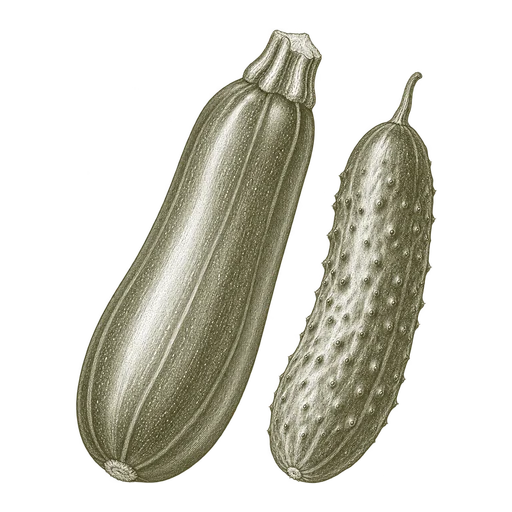
Zucchini is an immature summer squash used in human-food products as fresh fruit, frozen or canned slices, and dried pieces. Choose the form, maturity or cut, and handling requirements to fit the recipe and receiving setup.

Explore ingredient

What this collection covers

This collection currently covers zucchini, with a focus on fresh, immature summer squash sold for human consumption. Fresh-produce specifications do not automatically apply to frozen, dried or otherwise processed zucchini; those forms need criteria suited to their processing and intended use.

A useful specification turns broad quality expectations into receiving terms: product identity and form, grade if applicable, size basis, acceptable defects, packaging and delivery condition. These details help buyers compare lots without treating a grade name as a complete specification.

Grades, size and condition

U.S. No. 1 and No. 2 are voluntary grades for summer squash, including zucchini. They describe quality and defect limits, not a guaranteed size. Buyers who need uniform pieces should state minimum or maximum diameter or length and how measurements are taken. The grade and size requirements should be listed separately.

For fresh lots, buyers can also define expectations for maturity and tenderness, firmness, shape, stem condition, discoloration, cuts, bruising, scarring and decay. Specify defect tolerances clearly, since an acceptable level of cosmetic damage is different from decay or breakdown that compromises usable product.

Receiving and handling decisions

Fresh zucchini can lose firmness and shrivel as it loses water, while bruising, scuffing and compression can reduce usable quality. Agree on packaging or bulk-bin condition and delivery temperature, and consider whether harvest or pack date and temperature history are needed for the receiving program.

Technical storage guidance for fresh summer squash gives an optimum of 5–10°C (41–50°F) at 95% relative humidity and advises against holding beyond 10 days. Treat this as handling guidance, not a guaranteed shelf life for a particular shipment. Do not apply fresh-produce storage criteria to frozen or dried forms.

Common questions.

Does a zucchini grade specify size?+

No. A grade addresses quality and defects; state any diameter or length limits separately, including the measurement basis.

Are U.S. No. 1 and No. 2 grades mandatory?+

No. They are voluntary standards. A purchase agreement should say whether it uses a grade and identify any additional requirements.

Which fresh-lot qualities should a specification address?+

Define maturity and firmness expectations, size, defect and decay tolerances, stem condition, packaging and delivery temperature.

Can fresh zucchini storage guidance apply to frozen or dried zucchini?+

No. Fresh squash guidance concerns fresh product. Frozen and dried forms need specifications and handling criteria for their respective forms.

Produce specifications · BUYER INSIGHTS

Go deeper before you source.

Focused guides to the specification, application, and delivery questions behind this ingredient.