Independent sourcing. Better connections.Commercial buyers · Bulk ingredients
topic

Produce sourcing

A buyer-focused overview of sourcing celery and cucumber, with emphasis on product type, specification, inspection and distinct handling needs.

2 ingredients6 published Insights
EXPLORE THE COLLECTION

Produce sourcing ingredients

Dried Vegetables

Celery

Celery is sourced for food use as fresh stalks and leaves, frozen celery, or dried material. Specify the plant part and form because they differ in culinary role, handling, quality measures and storage needs.

Explore ingredient
Dried Vegetables

Cucumber

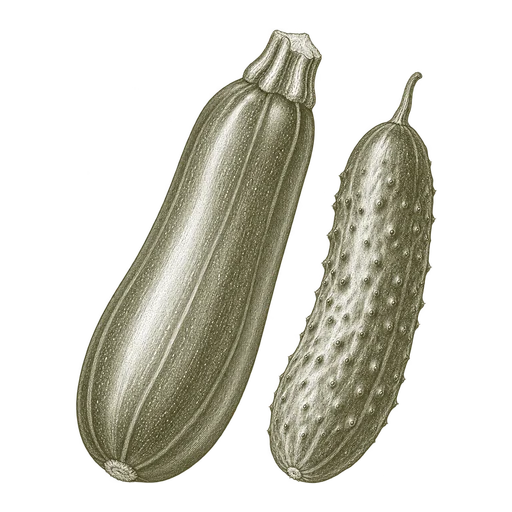
Cucumber is sourced as fresh produce for slicing and pickling uses. Define the intended use, size and quality expectations, and temperature-sensitive handling needs when planning a bulk order.

Explore ingredient

What this produce collection covers

This collection brings together celery and cucumber as produce-sourcing categories. Those names alone do not define whether a lot is fresh or processed, how it is packed, or which market type it represents. Start by confirming the offered form and intended use before comparing specifications or quotes.

Celery here refers to stalk celery, not celeriac, which is grown for its root. Fresh celery can be sold as bunches, trimmed stalks or celery hearts. Cucumber has distinct market types, including slicing, greenhouse and pickling cucumbers. These types have different quality expectations and are not interchangeable simply because they share a crop name.

Set a product-specific quality specification

For celery, define the format, trimming or length requirements, color and acceptable levels of wilting, decay or mechanical damage. For cucumber, identify the type and intended use, then agree on size, grade or defect tolerances, firmness and acceptable damage. A generic description such as “cucumber” leaves important buying criteria unresolved.

Grades can provide shared language for describing produce quality, but they do not establish that a particular lot has been inspected or meets a grade. Agree on the specification and the sampling or inspection basis. Separately define pack format, lot size, delivery condition and any required food-safety or traceability documentation.

Plan handling for each vegetable

Celery and cucumber do not share the same recommended storage temperature. Celery is generally stored close to 32°F with very high humidity; cucumber needs warmer conditions, and exposure below 45°F can cause chilling injury. Treat these as commodity-specific handling guidance, not a shelf-life guarantee. Align transit and receiving plans with the product being purchased.

Common questions.

Are celery and cucumber covered by the same grade specification?+

No. Each vegetable has separate quality criteria. Cucumber specifications also depend on whether the product is for slicing, pickling or another market type.

What should a cucumber quote identify?+

Specify the cucumber type and intended use, size or grade expectations, acceptable defects, pack format, lot size and delivery condition.

Which celery details should buyers define?+

Identify whether the product is bunches, trimmed stalks or hearts, along with trimming or length needs, color and acceptable defects.

Can celery and cucumber use the same cold-chain target?+

Not automatically. Their recommended storage temperatures differ, and cucumbers can develop chilling injury below 45°F. Plan handling for each vegetable separately.

Produce sourcing · BUYER INSIGHTS

Go deeper before you source.

Focused guides to the specification, application, and delivery questions behind this ingredient.

FIELD GUIDE01Produce sourcing
Buyer’s guide

Fresh cucumber cold storage and delivery planning

Plan fresh cucumber transit and storage around the 10–12.5°C (50–55°F) temperature range, high humidity, chilling risk below 10°C (50°F), cultivar sensitivity and ethylene exposure.

Read this Insight
FIELD GUIDE02Produce sourcing
Buyer’s guide

Choosing pickling cucumber size for a processing line

Choose pickling cucumber size around the finished product and processing line. A useful specification defines the size measurement, acceptable uniformity, firmness and condition—not just the product name.

Read this Insight
FIELD GUIDE03Produce sourcing
Buyer’s guide

Cucumber grade and size specifications for bulk buyers

Define cucumber size, appearance, firmness and defects around the intended slicing or pickling use. A use category is not a grade, and the applicable standard and tolerances should be specified before purchase.

Read this Insight
FIELD GUIDE04Produce sourcing
Buyer’s guide

Bulk celery storage and receiving: fresh, frozen and dried plans

Bulk celery receiving starts with the form: fresh, frozen and dried celery each call for a different storage plan. Match the order to your facility’s temperature control, receiving capability and moisture protection.

Read this Insight
FIELD GUIDE05Produce sourcing
Buyer’s guide

Celery leaves or stalks: choosing a form for food formulations

Celery leaves and stalks serve different culinary roles. Compare their use in cooked dishes, soups, juices and seasoning, and choose fresh, frozen or dried forms according to recipe preparation and handling needs.

Read this Insight
FIELD GUIDE06Produce sourcing
Buyer’s guide

Celery quality specifications: what changes by form?

Celery quality measures depend on whether the ingredient is fresh, frozen or dried. Define plant part and form first, then specify the condition, moisture or particle-size characteristics that matter to your process.

Read this Insight