Dried Vegetables
Cucumber
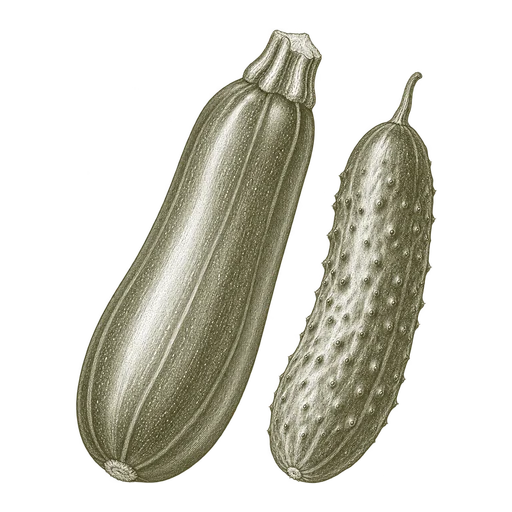
Cucumber is sourced as fresh produce for slicing and pickling uses. Define the intended use, size and quality expectations, and temperature-sensitive handling needs when planning a bulk order.
Explore ingredientA buyer’s guide to quality and handling differences across fresh cucumbers, green beans and lettuce, with practical considerations for bulk specifications and receiving inspection.
Cucumber is sourced as fresh produce for slicing and pickling uses. Define the intended use, size and quality expectations, and temperature-sensitive handling needs when planning a bulk order.
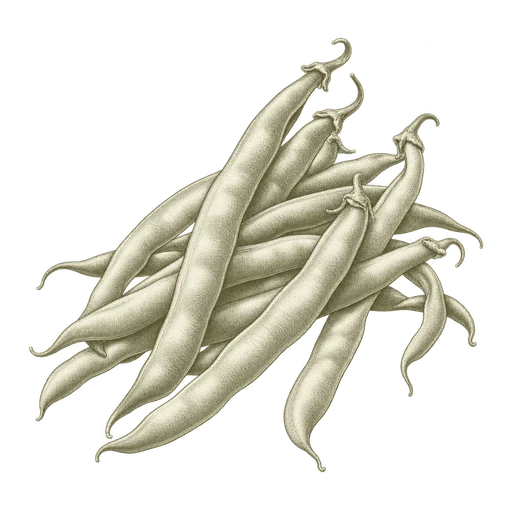
Explore ingredientGreen beans are tender immature pods supplied fresh, frozen or canned. Specify the preservation form, cut style and condition criteria to match the product to your food operation and receiving setup.
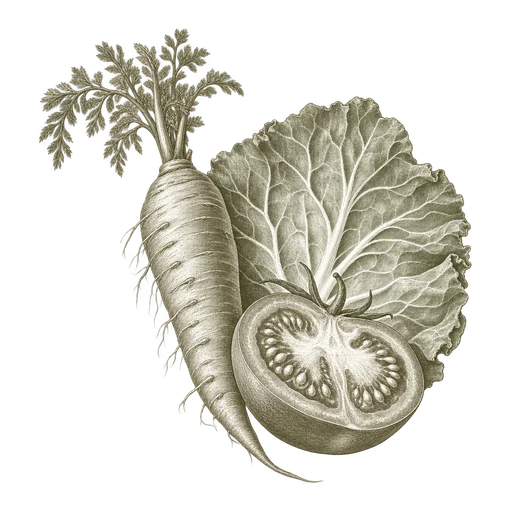
Explore ingredientLettuce is sourced as fresh heads or leaves, cut product, processing residue or dried waste. The type and form determine its food or potential by-product use, the quality details to compare and the handling needed for a bulk order.
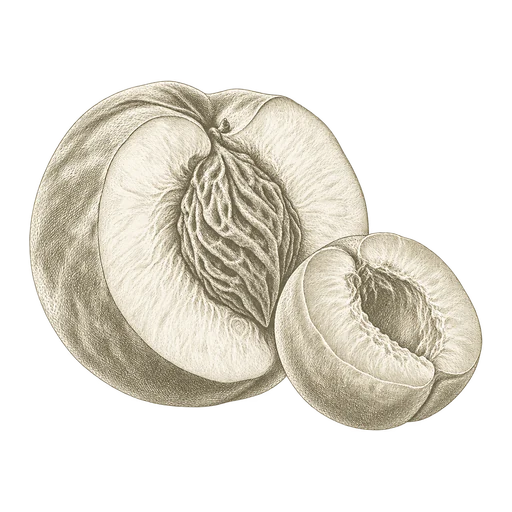
Explore ingredientPeaches are sourced as fresh fruit and in processed forms including canned pieces, purée, juice and dried product. Identify the exact form and intended use; pomace, peel, stone and seed are separate processing materials with different composition and handling considerations.
Explore ingredientVegetable pomace is a variable residue from vegetable processing, not a single standardized ingredient. Identify the source and processing, then compare wet or dried form, moisture and relevant analysis to determine whether a specific lot fits a feed or food application.
Explore ingredientThis collection covers fresh cucumbers, green beans and lettuce for human-food use. They are distinct products, not interchangeable vegetable lots, and each needs its own quality criteria. Specify the product and type first: for example, slicing cucumbers, snap beans, romaine or leaf lettuce.
Cucumbers are commonly assessed for firmness, uniform shape and color, size, yellowing and physical damage. For green beans, check pod color and form, firmness, breakage and decay. Lettuce requirements depend on form; wilt, damaged leaves and russet spotting can matter, especially for romaine and loose-leaf types. USDA grade language can help define expectations, but state explicitly if a grade is required.
A single storage temperature is not suitable for all three. Postharvest guidance identifies 10–12.5°C (50–55°F) for cucumbers, 5–7.5°C (41–45°F) for snap beans, and storage near 0°C (32°F) for romaine and leaf lettuce. Cucumbers and beans can be injured by chilling, while warmer storage can shorten lettuce life.
For bulk orders, align the handling plan with the crop and delivery sequence. Confirm packaging and whether produce is loose, packed or cut; agree on temperature measurement and receiving inspection; and define how sampling, visible defects and damage will be documented.
A useful specification identifies the commodity and type, fresh or processed form, relevant size or count, packaging, quality tolerances and inspection procedure. Discuss crop-specific defects as well as decay and mechanical damage: yellowing or deformation in cucumbers, limpness or broken pods in beans, and wilt or damaged midribs in lettuce.
Confirm lot-specific terms such as pack date, temperature history and any required food-safety documentation as part of the purchase agreement. Clear acceptance criteria make it easier to compare offers and assess a delivery consistently.
Head lettuce, romaine and loose-leaf lettuce differ in form and handling. Naming the type helps define the relevant quality criteria and storage plan.
No. Their postharvest temperature guidance differs, and a temperature appropriate for lettuce can chill cucumbers or beans. Set handling conditions by crop.
Only if that is part of the agreed purchase terms. Grade language can provide a shared reference, but do not assume a grade is required unless the agreement says so.
Set the sampling method, temperature checks, acceptable defect limits and documentation procedure in advance. Include defects relevant to the specific crop, along with decay and physical damage.
Focused guides to the specification, application, and delivery questions behind this ingredient.
A practical guide to planning wet vegetable pomace receiving and storage around lot history, moisture, stabilization, packaging and facility constraints.
Read this InsightEvaluate vegetable pomace for livestock feed by identifying its vegetable source and process, interpreting moisture and nutrient analysis on a clear basis, and having a nutrition professional assess it for the target animals and complete ration.
Read this InsightA practical guide to comparing vegetable pomace lots by source, processing history, physical form, moisture, and consistently reported nutrient and fiber analysis.
Read this InsightBulk peaches need form-specific receiving plans. Fresh fruit is perishable, dried peaches rely on packaging that maintains their low-moisture condition, and liquids or processing by-products require handling guidance for the actual product.
Read this InsightPeach purée, juice and concentrate differ in fruit solids, texture and handling. Compare the offered form and specification with the recipe’s liquid balance, texture target and production process before substituting.
Read this InsightCompare dried peach offers by the form being purchased and the characteristics that affect use: flavor and odor, color, piece uniformity, defects and texture. Apply any USDA grade reference only within its verified product scope.
Read this Insight