Independent sourcing. Better connections.Commercial buyers · Bulk ingredients
topic

Produce quality

Produce quality is not a single shared grade: broccoli, cucumber and lettuce have different visual and physical checks, product forms and handling needs. For bulk buying, define the required form and measurable acceptance criteria, then align inspection and temperature plans with each commodity.

5 ingredients6 published Insights
EXPLORE THE COLLECTION

Produce quality ingredients

Dried Vegetables

Broccoli

Bulk broccoli is commonly sourced as fresh whole crowns or cut florets. Choose the form for your receiving and preparation needs, and plan quality checks and cold storage accordingly; broccoli residues intended for feed are a separate, variable material.

Explore ingredient
Dried Vegetables

Cucumber

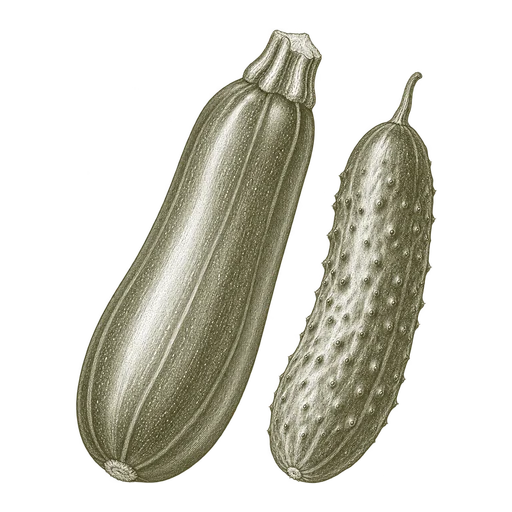
Cucumber is sourced as fresh produce for slicing and pickling uses. Define the intended use, size and quality expectations, and temperature-sensitive handling needs when planning a bulk order.

Explore ingredient
Dried Vegetables

Lettuce

Lettuce is sourced as fresh heads or leaves, cut product, processing residue or dried waste. The type and form determine its food or potential by-product use, the quality details to compare and the handling needed for a bulk order.

Explore ingredient
Dried Vegetables

Onions

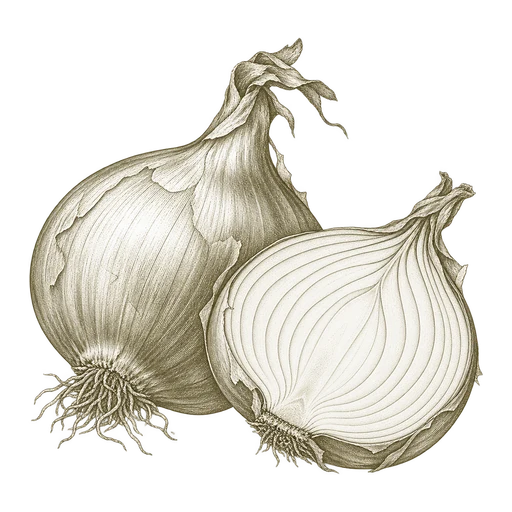
Cull onions are water-rich bulbs rejected from the fresh market, with feed-use evidence specific to particular forms and livestock trials. Compare form, moisture, condition and intended species before arranging a bulk order.

Explore ingredient
Dried Vegetables

Zucchini

Zucchini is an immature summer squash used in human-food products as fresh fruit, frozen or canned slices, and dried pieces. Choose the form, maturity or cut, and handling requirements to fit the recipe and receiving setup.

Explore ingredient

Quality checks differ by vegetable

Broccoli quality checks focus on compact, firm heads, characteristic color, trimming and freedom from decay or damage. Yellowing florets indicate declining postharvest life. These checks can vary by product form: processing-broccoli standards should not automatically be applied to fresh-market or cut product.

Cucumber purchases often need explicit size, shape, color and grade criteria. Lettuce requires attention to type and maturity as well as crispness, color, wilting, browning and breakage. A loose or easily compressed Romaine head may be immature, while a very firm one may be overmature.

Specify form, grade and tolerances

Broccoli, cucumber and lettuce are not single uniform products. Set out whether the requirement is for whole, cut, fresh or frozen product as applicable, and define variety or type, trim, size or count, packaging and acceptable defects. For lettuce, distinguish whole heads from cut product and specify the type, such as Romaine or loose-leaf.

A grade name is useful only when the applicable standard and grade are agreed for the transaction. USDA vegetable grade standards are voluntary, and standards differ by commodity and product context. Put the chosen specification, inspection method and rejection criteria in the purchasing terms rather than relying on broad labels such as “fresh” or “premium.”

Plan handling around the commodity

These vegetables do not share one ideal storage temperature. Broccoli and Romaine lettuce are generally stored near 0°C (32°F), while cucumbers are handled warmer, around 10–12.5°C (50–55°F); colder cucumber storage can cause chilling injury. A consolidated load may therefore require a handling plan that accounts for each product, its form and transit time rather than a single default setting.

Common questions.

Are USDA vegetable grades mandatory for these purchases?+

No. USDA vegetable grade standards are voluntary. Specify the grade and applicable standard in the transaction if you want them to define the purchase.

Can broccoli, cucumber and lettuce use the same cold-chain target?+

Not ideally. Broccoli and Romaine lettuce are generally stored near 0°C (32°F), while cucumbers need warmer handling, around 10–12.5°C (50–55°F), to avoid chilling injury.

What should a buyer specify for lettuce?+

State the lettuce type and whether it is whole-head or cut. Define trim and tolerances for wilting, tipburn, browning and breakage, along with packaging and inspection criteria.

Does a general grade or quality label define product form?+

No. State whether the requirement is for fresh, frozen, cut or whole product as applicable, and agree on the relevant grade or product specification separately.

Produce quality · BUYER INSIGHTS

Go deeper before you source.

Focused guides to the specification, application, and delivery questions behind this ingredient.

FIELD GUIDE01Produce quality
Buyer’s guide

Planning zucchini shipping and storage by product form

Fresh, frozen, canned and dried zucchini call for different receiving and storage plans. Match packaging, unloading and destination storage to the selected form, and follow the specific offer’s instructions rather than assuming a guaranteed shelf life.

Read this Insight
FIELD GUIDE02Produce quality
Buyer’s guide

How to evaluate dried zucchini for soups and casseroles

A practical guide to matching dried zucchini cut size, moisture information and preparation to the recipe and finished texture required in soups, stews and casseroles.

Read this Insight
FIELD GUIDE03Produce quality
Buyer’s guide

Which zucchini quality specifications matter by product form?

A form-specific guide to comparing fresh, cut and dried zucchini quality, including maturity, condition, cut dimensions and moisture considerations.

Read this Insight
FIELD GUIDE04Produce quality
Buyer’s guide

Receiving and storing bulk cull onions

Plan bulk cull onion receiving around whether the lot is whole or chopped, its condition, and whether it is intended for storage or prompt use. Align unloading, inspection and staging with the product form and lot-specific handling information.

Read this Insight
FIELD GUIDE05Produce quality
Buyer’s guide

Cull onions in cattle rations: questions for formulation

Before considering cull onions in a cattle ration, assess the specific lot’s form, condition, dry matter and nutrient analysis alongside the complete diet and onion-specific safety concerns. Historical trial levels are not general feeding recommendations.

Read this Insight
FIELD GUIDE06Produce quality
Buyer’s guide

Cull onions: comparing moisture and dry-matter analysis

Learn how moisture changes the dry matter represented by a cull onion load and how to compare nutrient analyses reported on different bases.

Read this Insight