Independent sourcing. Better connections.Commercial buyers · Bulk ingredients
topic

Plant protein ingredients

This collection brings together Chickpea Protein, Potato Protein, Rice Protein and Watermelon. The first three are named protein ingredients, but their forms, processing and intended uses can differ. Watermelon is an unresolved ingredient identity, so confirm its plant part and form before treating it as a protein product. For bulk comparisons, use matching analytical bases and application-specific documentation.

4 ingredients6 published Insights
EXPLORE THE COLLECTION

Plant protein ingredients ingredients

Pulses

Chickpea Protein

Chickpea protein is available as less-fractionated flour and more processed concentrates or isolates for human-food formulations. Compare protein on a consistent basis and match the ingredient’s demonstrated functional properties to the needs of the finished product.

Explore ingredient
Starches/Fibers/Proteins

Potato Protein

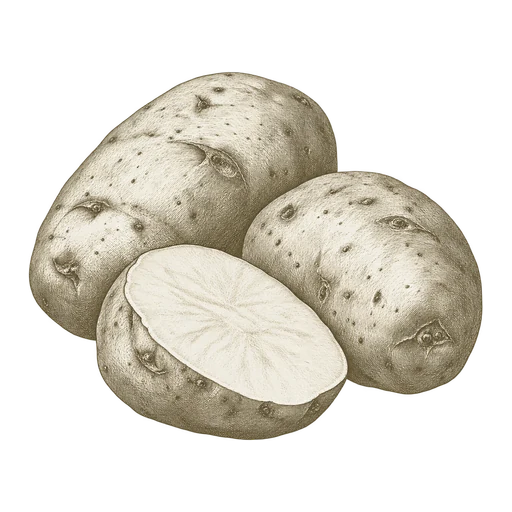
Potato protein is recovered from potato starch-processing liquids and supplied in dried forms for feed or food applications. Processing affects composition and functionality, so compare the intended use, product analysis and relevant performance information before arranging a bulk order.

Explore ingredient
Starches/Fibers/Proteins

Rice Protein

Rice protein is a protein-rich ingredient extracted from rice-derived material and supplied as a powder. Compare feedstock, processing, protein reporting basis and solubility against the intended food or animal-food application.

Explore ingredient
Dried Fruits

Watermelon

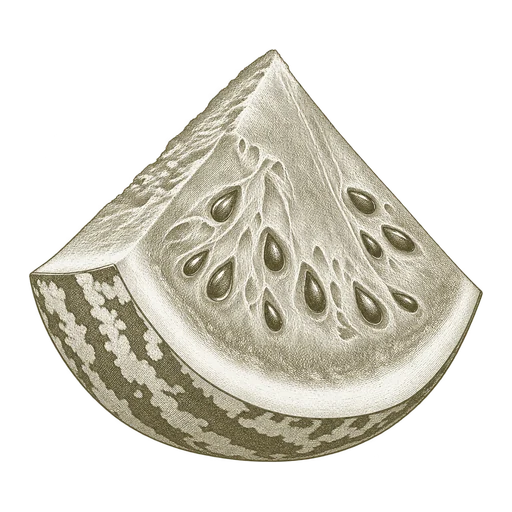
Watermelon ingredients include seed flour, meal, protein concentrate and rind meal, each with different processing and composition. Identify the plant part, processing and intended food or feed use before comparing bulk offers.

Explore ingredient

Different crops, forms and processing routes

Plant protein ingredients are not interchangeable by name alone. Chickpea protein can be sold as flour, concentrate or isolate, with processing affecting composition and functional properties. Potato protein and rice protein are also distinct ingredients; the rice protein category can include products made by separating protein during rice-starch processing.

The supplied member Watermelon needs special care: that name does not establish whether the material is fruit, seed, seed meal or a protein ingredient. Confirm its exact identity before comparing it with the three named proteins.

Match the ingredient to its intended use

For food formulation, compare the properties that affect the finished product, such as solubility, flavor, particle size and performance in the process. Chickpea protein properties can vary with the fractionation method, so the ingredient form matters as much as the crop name.

For animal or pet food, confirm that the specific product is defined and documented for the intended species and use. Human-food research does not establish feed suitability, and information about whole chickpeas in poultry diets should not be transferred to chickpea protein concentrates.

Compare like with like when buying in bulk

Request the exact ingredient name, plant part and processing form, along with a current lot certificate of analysis. Compare protein and moisture on the same stated basis; for feed applications, amino-acid information and species-specific nutritional review may also be important. Lot-specific packaging, storage conditions, traceability and quality documentation help determine whether the material fits receiving and handling requirements.

Common questions.

Are chickpea, potato and rice proteins interchangeable?+

No. Their crop sources, processing and functional or nutritional properties differ. Compare the specific forms against the requirements of the intended application.

Does a higher protein percentage identify the best option?+

Not by itself. Check whether protein is reported as-is or on a dry-matter basis, and consider moisture, amino-acid needs and application performance.

Does the Watermelon listing refer to watermelon seed protein?+

The name alone does not establish the plant part or ingredient form. Confirm whether it is fruit, seed, seed meal or another material before evaluating it as a protein ingredient.

Can food-use information establish suitability for feed or pet food?+

No. Confirm the product's intended-use definition and product-specific documentation for the target species and application.

Plant protein ingredients · BUYER INSIGHTS

Go deeper before you source.

Focused guides to the specification, application, and delivery questions behind this ingredient.

FIELD GUIDE01Plant protein ingredients
Buyer’s guide

Receiving and storing bulk watermelon seed meal

Plan a bulk watermelon seed meal order by defining the product and arranging compatible receiving and storage. Product-specific handling directions matter because no universal shelf life or storage limit is established.

Read this Insight
FIELD GUIDE02Plant protein ingredients
Buyer’s guide

Watermelon seed protein concentrate in food formulation

Watermelon seed protein concentrate differs from seed flour in composition and preparation, but neither the ingredient name nor protein content predicts finished-food performance. Learn how to assess bakery and plant-based applications through product-specific specifications and trials under your actual recipe and process conditions.

Read this Insight
FIELD GUIDE03Plant protein ingredients
Buyer’s guide

How to compare watermelon seed flour specifications

A practical comparison of watermelon seed flour specifications, showing how plant part, processing, composition, particle size and reporting basis distinguish offers.

Read this Insight
FIELD GUIDE04Plant protein ingredients
Buyer’s guide

Planning bulk rice protein receiving and powder storage

Prepare a bulk rice protein order for a workable delivery by defining the product, quantity, destination, packaging, unloading needs and timing. Use the specific product’s current documentation for storage and handling directions.

Read this Insight
FIELD GUIDE05Plant protein ingredients
Buyer’s guide

Rice protein solubility in beverages: formulation questions to resolve

Rice protein’s limited water solubility can complicate beverage formulation. Separate solubility from dispersion and suspension, then evaluate the specific product in your recipe and process before making a bulk sourcing decision.

Read this Insight
FIELD GUIDE06Plant protein ingredients
Buyer’s guide

How to compare rice protein specifications and protein basis

A practical guide to comparing rice protein percentages on a consistent basis, with the method, nitrogen factor and supporting composition results in view.

Read this Insight