Independent sourcing. Better connections.Commercial buyers · Bulk ingredients
topic

Perishable ingredients

Perishable ingredients includes cabbage, cranberries and currants: fresh horticultural commodities with different forms, uses and handling requirements. Cabbage is a vegetable, while cranberries and currants are berries. The collection label does not make them interchangeable or establish a particular lot’s form, condition or suitability. Buyers should identify the commodity, intended use and fresh or processed form before comparing bulk offers.

3 ingredients6 published Insights
EXPLORE THE COLLECTION

Perishable ingredients ingredients

Dried Vegetables

Cabbage

Cabbage feed can mean whole cull vegetables or leaves and cores from sauerkraut processing. These high-moisture materials differ in composition and handling, so compare the specific stream, current analysis and receiving plan before buying for cattle.

Explore ingredient
Dried Fruits

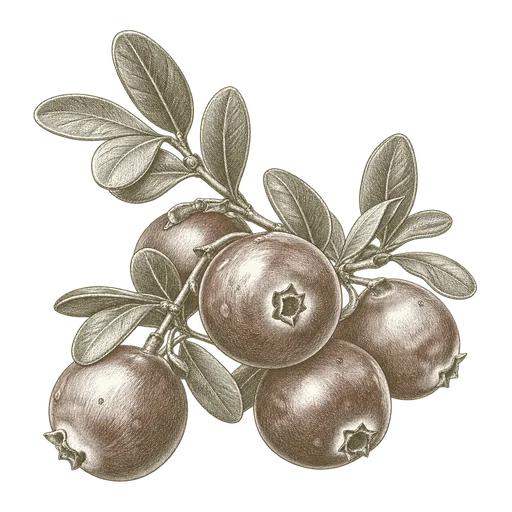
Cranberries

Bulk cranberries can mean whole fruit, juice products, dried fruit, pomace or extracts. Identify the exact form and application, then compare its processing, analysis and handling requirements rather than treating cranberry products as interchangeable.

Explore ingredient
Dried Fruits

Currants

Ribes currants include black, red, pink and white berries used fresh, frozen or in processed food ingredients. Specify the fruit type and distinguish whole berries, juice, preserves and blackcurrant pomace powder, since these forms serve different roles and have different quality considerations.

Explore ingredient

Different commodities, different specifications

This collection brings together fresh horticultural commodities, not one interchangeable ingredient class. Cabbage is a vegetable; cranberries and currants are berries. Confirm the exact commodity, fresh or processed form and intended use before comparing offers.

Currant type is important: black currants are commonly used for juice and other processing, while red and white currants are often used fresh, in baking or for jams and jellies. For cranberries, the cited U.S. No. 1 grade applies to fresh fruit; it should not be assumed to define processed cranberry products or every lot.

Plan around condition and handling

Fresh produce quality depends on its condition at delivery and the handling it has received. For cabbage and currants, published ideal-storage references are 32°F and 95% relative humidity; the associated shelf-life estimates assume ideal conditions and are not lot guarantees. Cranberry storage life also varies with cultivar, maturity, season, handling and storage conditions.

When buying, specify acceptance criteria alongside the commodity and form. For fresh cranberries, ask which grade and inspection basis apply; the U.S. No. 1 standard includes maturity, firmness, color, damage and decay criteria. For all three commodities, align packaging and delivery condition with the time and conditions available before processing or use.

Clarify intended use before comparing offers

Start with cabbage type, cranberry form and grade, or currant color/type. Then define the required condition, packaging and delivery expectations. These details affect whether a lot fits fresh-market use or a particular processing need; collection membership alone does not establish suitability or availability.

Common questions.

Are cabbage, cranberries and currants interchangeable bulk ingredients?+

No. They are distinct commodities with different uses, quality criteria and handling needs. Specify the ingredient and intended use rather than buying by the collection label.

What details should I specify when sourcing currants?+

Specify black, red or white currants, and whether you need fresh fruit or a processed form. These distinctions matter because typical uses differ by currant type.

Does the U.S. No. 1 cranberry grade apply to every cranberry product?+

No. The cited grade standard is for fresh cranberries. Confirm the applicable grade and inspection basis when sourcing fresh fruit; do not assume it defines processed products.

Can published storage life be treated as a guarantee for a bulk lot?+

No. Storage estimates depend on conditions and handling. Confirm the lot’s condition and delivery expectations against your own storage and use timeline.

Perishable ingredients · BUYER INSIGHTS

Go deeper before you source.

Focused guides to the specification, application, and delivery questions behind this ingredient.

FIELD GUIDE01Perishable ingredients
Buyer’s guide

Planning bulk currants receiving and storage by product form

Plan bulk currant receiving by product form. Align quantity, packaging, unloading and delivery timing with your facility, and obtain storage directions for the exact product being sourced.

Read this Insight
FIELD GUIDE02Perishable ingredients
Buyer’s guide

Choosing blackcurrants for jam or juice formulation

Blackcurrants for jam and juice start with different sourcing decisions: preserve makers focus on whole-fruit condition and maturity, while beverage makers must define whether they need fruit for extraction or a processed juice form.

Read this Insight
FIELD GUIDE03Perishable ingredients
Buyer’s guide

How to compare blackcurrant pomace powder specifications

Compare blackcurrant pomace powder on a consistent basis: establish the material definition, interpret moisture alongside composition, distinguish fiber methods, and understand what particle-size results do—and do not—tell you.

Read this Insight
FIELD GUIDE04Perishable ingredients
Buyer’s guide

Planning receiving and storage for bulk cranberry pomace

Plan cranberry pomace receiving around the wet or dried form, packaging your facility can accept, unloading capability, lot-specific moisture information and producer handling guidance.

Read this Insight
FIELD GUIDE05Perishable ingredients
Buyer’s guide

Choosing a cranberry juice product for a food formulation

Cranberry juice, concentrate, blends and drinks can differ in water content and ingredient composition. Define the exact form and compare relevant specifications before using an ingredient in a food formulation.

Read this Insight
FIELD GUIDE06Perishable ingredients
Buyer’s guide

How to compare cranberry pomace specifications

Compare cranberry pomace analyses on a like-for-like basis: identify the form, account for moisture, and check the methods and reporting basis before interpreting composition.

Read this Insight