Independent sourcing. Better connections.Commercial buyers · Bulk ingredients
topic

Oilseed quality

A practical overview of why oilseed quality checks depend on product form and intended use, with buying considerations for Black Oils and canola.

6 ingredients6 published Insights
EXPLORE THE COLLECTION

Oilseed quality ingredients

Sunflower Seeds

Black Oils

Black-oil sunflower seed is a black-hulled oilseed used in bird feeding, oil processing and animal-feed formulations. Specify whole seed or a processed form, then compare lot quality and storage requirements against the intended use.

Explore ingredient

Seeds

Canola

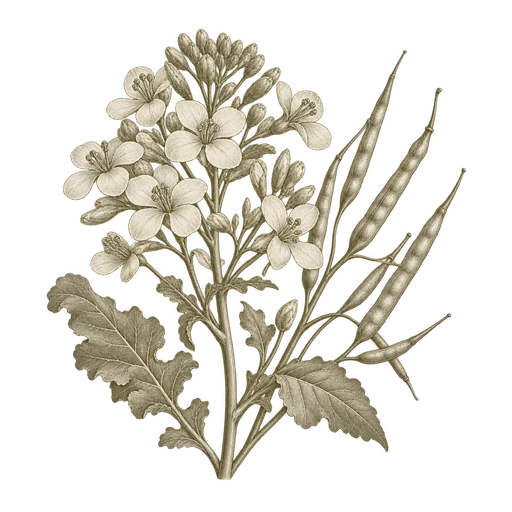
Canola refers to seed and products including edible oil and feed meal. For bulk sourcing, identify the product and, for meal, compare processing, physical form and lot analysis to match the feed formulation and receiving setup.

Explore ingredient
Seeds

Milled Flaxseed

Milled flaxseed is ground flaxseed used in feed and food formulations. Distinguish whole-seed meal from oil-extracted linseed meal, then compare analysis, particle size and handling needs for the intended use.

Explore ingredient

Other Seeds & Grains

Pumpkin Seed

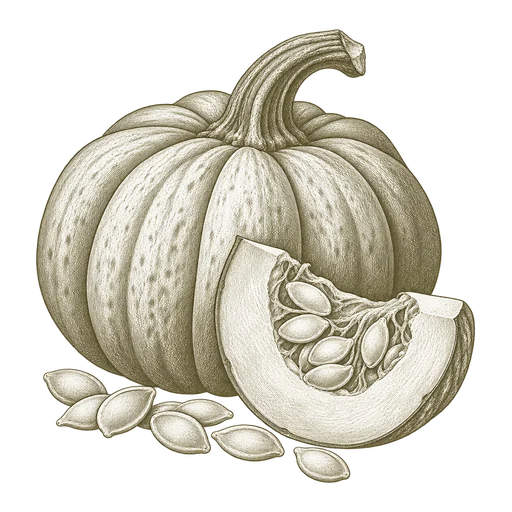
Pumpkin seed can mean whole food seeds, hulled kernels, ground meal or oil-extraction cake. Choose the form for its intended food or feed use, and compare the specific product’s processing and analysis before sourcing in bulk.

Explore ingredient
Seeds

Sesame

Sesame is an oilseed sourced as whole or hulled seed, oil, and oil-extraction meal. Processing changes flavor, composition and use, so identify the exact form and compare quality measures suited to that product before arranging a bulk order.

Explore ingredient
Seeds

Sunflower Seeds

Sunflower seeds are sourced as oil-type or confectionery seed, in-shell seed or kernels, with meal available as a distinct oil-processing co-product. Match the form and quality measures to the intended food, oil, feed, or birdseed use.

Explore ingredient

Different products need different quality checks

Oilseed quality is not a single grade shared by every product. The useful checks depend first on whether a lot is whole seed, extracted oil, or a processing coproduct, and on its intended use. This collection includes Black Oils and canola, but those names alone do not establish the exact product form or end-use suitability.

Treat each listing as a distinct purchasing decision. Confirm the product identity and form before comparing specifications: tests relevant to seed condition do not substitute for oil-quality measures, and a crop name does not by itself identify whether the offered material is seed, oil, or meal.

What to compare for seed and oil

For whole seed, buyers commonly need identity, intended use, moisture, foreign material or dockage, and visible condition. Ask for lot-specific results and consider how the seed will be handled and stored. For canola seed, visual inspection matters alongside temperature monitoring when assessing stored condition.

For oil, relevant measures can include free fatty acids, peroxide value, and moisture or impurities. The applicable limits depend on the specific oil, its processing, and intended use; a specification for one refined oil is not a universal benchmark for other oils or seed products.

Match documentation to the intended use

Canola seed is processed into oil and meal, while processing methods can affect the resulting products. Black-oil sunflower is a recognized bird-feeding seed type, but the name “Black Oils” does not, on its own, establish that a listing is sunflower seed or that it is suitable for another market.

Before comparing bulk offers, clarify the exact material, use, available lot analyses and test methods, packaging or bulk form, and applicable handling guidance. For feed use, evaluate a representative analysis for the actual material and species within the complete ration rather than treating “oilseed” as a nutritional specification.

Common questions.

Are Black Oils and canola the same type of bulk product?+

No. The names do not establish the same product form. Confirm whether each listing is whole seed, oil, meal, or another material before comparing quality or use.

Which quality checks matter for whole oilseed?+

Confirm identity and intended use, then review lot-specific moisture, foreign material or dockage, and visible condition information.

Which tests should buyers review for oil?+

Depending on the oil and its intended use, relevant measures can include free fatty acids, peroxide value, and moisture or impurities. Use limits specific to the product and application.

Does the name Black Oils establish bird-feed or food suitability?+

No. The name alone does not confirm exact identity, form, or suitability. Verify product details and documentation for the intended market.

Oilseed quality · BUYER INSIGHTS

Go deeper before you source.

Focused guides to the specification, application, and delivery questions behind this ingredient.

FIELD GUIDE01Oilseed quality
Buyer’s guide

Planning storage for bulk sunflower seed deliveries

Plan bulk sunflower seed receiving and storage around the offered form, lot condition and capabilities of your facility—not a one-size-fits-all moisture target.

Read this Insight
FIELD GUIDE02Oilseed quality
Buyer’s guide

What to specify when sourcing sunflower kernels for seed butter

A practical guide to specifying sunflower kernels for seed butter, from dehulled form and cleanliness to sensory expectations and food-safety testing.

Read this Insight
FIELD GUIDE03Oilseed quality
Buyer’s guide

How to compare oil-type sunflower seed grading measures

Understand what test weight, damage measures and dehulled-seed percentage describe in oil-type sunflower grading—and why these results do not establish food-ready or confectionery-kernel quality.

Read this Insight
FIELD GUIDE04Oilseed quality
Buyer’s guide

Planning bulk sesame seed receiving and storage

Plan bulk sesame seed receiving around packaging, unloading capability, moisture management and storage aeration. Include destination and storage details in the procurement outline.

Read this Insight
FIELD GUIDE05Oilseed quality
Buyer’s guide

Questions to assess sesame meal in a feed formulation

Sesame meal’s role in a feed depends on its analyzed composition, processing history and the animal’s requirements. Learn why lysine balance matters and what a formulator needs beyond a general meal description.

Read this Insight
FIELD GUIDE06Oilseed quality
Buyer’s guide

Comparing sesame seed and sesame meal quality specifications

Sesame seed quality checks focus on moisture, cleanliness and physical condition. Sesame meal analysis must also account for dehulling, oil-extraction method and whether results are reported as-fed or on a dry-matter basis.

Read this Insight