Independent sourcing. Better connections.Commercial buyers · Bulk ingredients
topic

Nut specifications

Nut specifications bring together different species and forms, from whole nuts to pieces, granules and roasted products. Compare bulk lots by defining the exact form, quality limits, processing details and allergen documentation required for the intended use.

9 ingredients6 published Insights
EXPLORE THE COLLECTION

Nut specifications ingredients

Tree Nuts

Macadamia Nuts

Macadamia nuts are sourced in-shell or as kernels for snacks and food manufacturing. Compare kernel style, raw or roasted processing, moisture and oil analysis, and packaging to match the product to its intended use.

Explore ingredient

Seeds, Grains & Specialty

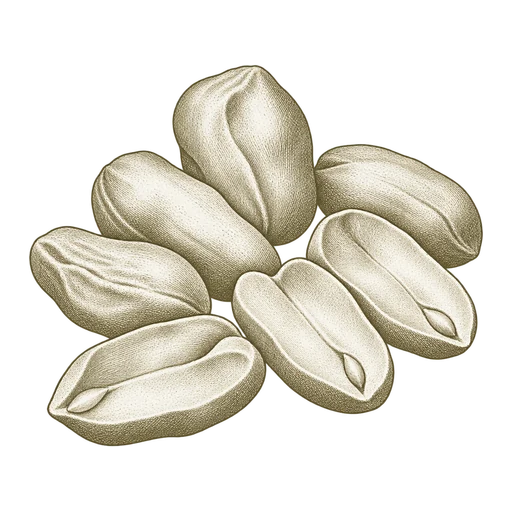
Peanut Granules

Peanut granules are chopped peanut pieces used in foods such as chocolate, ice cream and biscuits. Compare particle size, roast and blanch status, added ingredients, and lot-specific quality documentation to find a product that fits your process.

Explore ingredient
Tree Nuts

Pecan Pieces

Pecan pieces are broken portions of shelled pecan kernels used in food manufacturing when whole halves are not required. Compare screen size, grade, moisture and defect limits to match the ingredient to its role, appearance and receiving process.

Explore ingredient
Tree Nuts

Pecans

Pecans are edible tree-nut kernels sourced as halves, pieces, meal or flour for food production. Match the form to the finished product, then compare lot-specific moisture, size, condition and storage information.

Explore ingredient
Tree Nuts

Pine Nuts

Pine nuts are edible seeds sold shell-on, as shelled kernels or as extracted oil. Species, form and freshness criteria help buyers match the ingredient to food applications such as salads, desserts, sauces and further processing.

Explore ingredient
Tree Nuts

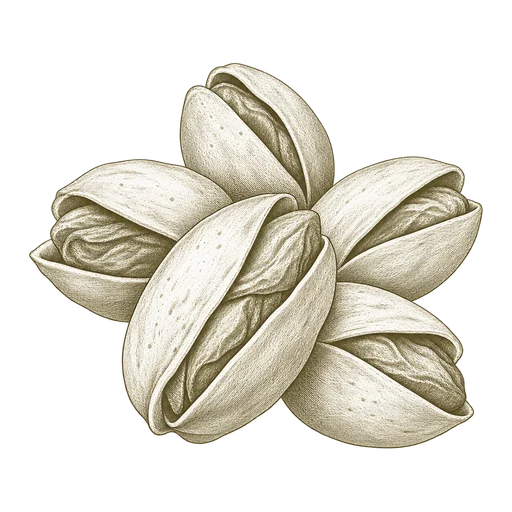
Pistachios

Pistachios are sourced as in-shell nuts, shelled kernels and processed forms for snacks, bakery, frozen desserts, sauces and confections. Define the product form, processing and quality requirements together, since shelling, roasting, seasoning and particle size change how the ingredient fits a food application.

Explore ingredient
Peanuts

Raw Pickouts

Raw pickouts most likely means raw peanut kernels or pieces separated during processing, but the name does not define a standard grade. Compare the offered kernel form, sorting criteria and lot-specific testing—especially aflatoxin—against the intended use and receiving plan.

Explore ingredient
Peanuts

Roasted Peanut Hearts

Roasted peanut hearts are roasted peanut kernels, but the name does not define whether a lot is whole, split or broken. Specify kernel form, roast method, skin and seasoning status, along with relevant quality documentation and receiving needs.

Explore ingredient
Tree Nuts

Walnuts

Bulk walnuts can mean shelled kernels, pieces, ground kernel or oil-extraction meal. Identify the species, form and intended use first, then compare the quality measures and handling needs relevant to that product.

Explore ingredient

A mixed collection of nut species and forms

Nut specifications covers several distinct ingredients, not one commodity with a shared grading system. This collection includes macadamia nuts, pecans, walnuts, pistachios, pine nuts and peanut products, including peanut granules and roasted peanut hearts. The names describe different species and product forms; they do not, by themselves, define a lot’s exact size, quality or processing.

Form matters in use and purchasing. Whole nuts, pieces and granules differ in appearance, portioning and how they distribute through a finished product. Pecan pieces and peanut granules should therefore be specified by size or screen basis, not just by a general cut name. “Raw pickouts” needs a supplier definition of species, selection criteria and processing status.

What a useful nut specification defines

A grade can offer shared quality terminology where a voluntary standard applies, but the standard and product form need to be clear. A grade name alone may not define piece-size distribution, color, flavor, defects, foreign material or other limits important to a buyer. Set requirements for the exact ingredient and intended use.

For roasted products, define roast characteristics and whether oil, salt or other ingredients are present. “Roasted” does not establish roast intensity or pathogen-control treatment. For ready-to-eat products, request documentation for the applicable pathogen controls and testing basis. Storage conditions and shelf life should be supported for the actual product and package rather than assumed across all nuts.

Bulk purchasing and allergen details

Before comparing lots, align the written specification on species, form, dimensions or sieve basis, quality limits, processing status, packaging and lot traceability. Confirm the methods used for measurements and defect limits so that offers are comparable.

For human-food use, peanuts and tree nuts require careful allergen identification and control. Confirm the specific nut identity and review the supplier’s allergen and cross-contact documentation. Peanut products should not be treated as tree nuts in specifications or allergen controls.

Common questions.

What does “pieces,” “granules,” “hearts” or “pickouts” mean?+

The terms alone do not set a uniform size or composition. Ask for the species, size range or screen basis, and a clear definition of the product form; for “raw pickouts,” also confirm selection and processing criteria.

Does a nut grade define every quality requirement?+

No. Confirm the standard, edition and product form, then specify any additional needs such as size distribution, color, flavor, defect limits or foreign-material limits.

What should buyers verify for roasted nut products?+

Define roast characteristics and whether oil, salt or other ingredients are used. For ready-to-eat use, request documentation for the applicable pathogen controls and testing basis.

What allergen information should accompany a nut ingredient?+

Confirm the specific nut identity and review allergen and cross-contact documentation. Peanuts and tree nuts are distinct allergen categories, so do not use one as a substitute for the other in specifications.

Nut specifications · BUYER INSIGHTS

Go deeper before you source.

Focused guides to the specification, application, and delivery questions behind this ingredient.

FIELD GUIDE01Nut specifications
Buyer’s guide

Planning bulk walnut receiving, packaging and storage

Plan a bulk walnut delivery around its actual form: shelled kernels need protection from breakage, while oil-extraction meal requires handling matched to its particle form. Align packaging and unloading with your facility, then limit moisture and oxygen exposure in storage.

Read this Insight
FIELD GUIDE02Nut specifications
Buyer’s guide

Questions to assess walnut oil meal in broiler feed

Evaluate walnut oil meal for broilers by establishing whether it is genuine oil-extraction residue, reviewing lot-specific proximate analysis on a clear reporting basis, and separating general product identity from evidence that supports a broiler formulation decision.

Read this Insight
FIELD GUIDE03Nut specifications
Buyer’s guide

How to compare bulk walnut kernel quality specifications

Compare bulk walnut kernel offers by product identity, cut, appearance, cleanliness, dryness, damage, and freshness—and verify that the inspection basis applies to the offered lot.

Read this Insight
FIELD GUIDE04Nut specifications
Buyer’s guide

Roasted Peanut Hearts Storage and Receiving: Moisture, Packaging and Lot Records

Prepare to receive roasted peanut hearts by matching shipment details to your facility, inspecting package condition and lot records, and protecting kernels from moisture and pests. Obtain storage guidance for the specific lot.

Read this Insight
FIELD GUIDE05Nut specifications
Buyer’s guide

Using Roasted Peanut Hearts for Peanut Paste: What Processors Should Define

A practical guide to defining kernel form, roast, skin status and added ingredients before sourcing roasted peanut hearts for peanut paste processing.

Read this Insight
FIELD GUIDE06Nut specifications
Buyer’s guide

Roasted Peanut Hearts Specifications: Defining Kernel Form and Quality

“Roasted peanut hearts” does not define a complete grade. Specify kernel shape, size and appearance tolerances, roast method, skin and seasoning separately, then compare the actual lot and its documentation with the requirements of your process.

Read this Insight