Independent sourcing. Better connections.Commercial buyers · Bulk ingredients
topic

Ingredient sourcing

Ingredient sourcing in this collection covers chickpea protein, green lentil flour, pea protein and potato protein for food formulations. The key buying distinction is product form: lentil flour retains starch and fiber, while protein ingredients may be offered as different fractions. Compare the exact specification and application-relevant properties rather than relying on ingredient names or protein content alone.

4 ingredients6 published Insights
EXPLORE THE COLLECTION

Ingredient sourcing ingredients

Pulses

Chickpea Protein

Chickpea protein is available as less-fractionated flour and more processed concentrates or isolates for human-food formulations. Compare protein on a consistent basis and match the ingredient’s demonstrated functional properties to the needs of the finished product.

Explore ingredient
Pulses

Green Lentil Flour

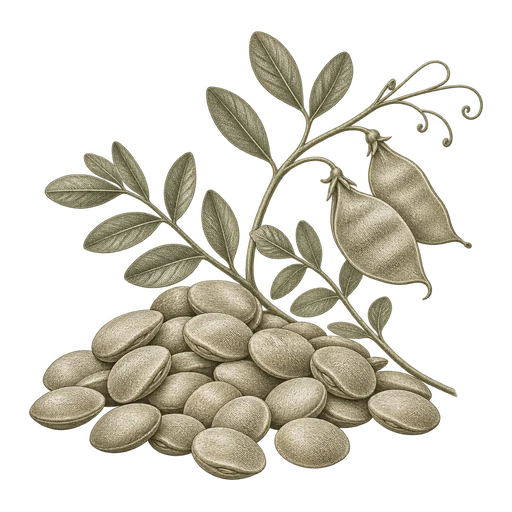
Green lentil flour is milled from green lentil seed for food product development, including bakery, pasta, snack and other formulations. Compare whole-seed or dehulled status, heat treatment and particle size because these differences can affect color and processing behavior.

Explore ingredient
Starches/Fibers/Proteins

Pea Protein

Pea protein is a pea-derived food ingredient sold as flour, concentrate, isolate or hydrolysate. Compare the form, protein measurement basis and application-relevant functional data to choose an ingredient for your formulation.

Explore ingredient
Starches/Fibers/Proteins

Potato Protein

Potato protein is recovered from potato starch-processing liquids and supplied in dried forms for feed or food applications. Processing affects composition and functionality, so compare the intended use, product analysis and relevant performance information before arranging a bulk order.

Explore ingredient

Different forms, different roles

This collection brings together four plant-derived food ingredients: chickpea protein, green lentil flour, pea protein and potato protein. Their plant origin does not make them interchangeable. Green lentil flour is milled whole lentil, so it contains starch and dietary fiber as well as protein. The other three are identified as protein ingredients, but their precise form may vary.

Match the ingredient to the formulation

Chickpea and pea proteins are used in food formulations including bakery and meat-analogue products. Potato protein is another protein option, with properties affected by how it is recovered and processed. Green lentil flour can be considered in bakery and other food preparations, including gluten-free formulations, but it does not function like a purified protein or wheat flour by default.

For all four, performance depends on the particular ingredient and recipe. Properties such as solubility, water holding, emulsification, foaming or gelation matter only when they are relevant to the intended process. Trial the exact ingredient in the target formulation before deciding on substitution or inclusion levels.

Specify the exact product before buying

Start by confirming botanical source and whether the offering is flour, concentrate, isolate or another fraction. Review the current specification and lot-specific analysis, including test method and measurement basis; protein percentage alone does not establish functional performance. Also align documentation on processing, intended use, microbiological and contaminant criteria, allergens, packaging and storage with your purchasing requirements.

Common questions.

Is green lentil flour equivalent to lentil protein?+

No. Green lentil flour includes starch and dietary fiber as well as protein; it is not a purified protein fraction.

Does “pea protein” identify a specific product form?+

Not by itself. Confirm whether the product is flour, concentrate, isolate or another fraction in its specification.

Can these ingredients be substituted at the same inclusion rate?+

There is no universal substitution rate. Form, processing and recipe affect composition and functionality, so test the specific ingredient in the intended application.

What should a bulk buyer compare across lots?+

Compare the exact form, composition, test methods and measurement basis, plus application-relevant functional results. Check that analyses are comparable before drawing conclusions.

Ingredient sourcing · BUYER INSIGHTS

Go deeper before you source.

Focused guides to the specification, application, and delivery questions behind this ingredient.

FIELD GUIDE01Ingredient sourcing
Buyer’s guide

Planning bulk potato protein receiving and storage

Plan bulk potato protein receiving around the offered package, your unloading capabilities, delivery destination and timing, then use product-specific guidance to protect the ingredient from moisture and contamination in storage.

Read this Insight
FIELD GUIDE02Ingredient sourcing
Buyer’s guide

Potato protein functionality in food formulation: what to test

Understand how potato protein’s solubility, foaming, emulsifying and gel-forming behavior can affect food formulations—and how to test the specific properties your process requires.

Read this Insight
FIELD GUIDE03Ingredient sourcing
Buyer’s guide

How to compare potato protein specifications for feed and food use

Compare potato protein for feed or food by aligning protein basis, moisture, nutritional data and application-specific functional requirements.

Read this Insight
FIELD GUIDE04Ingredient sourcing
Buyer’s guide

Planning bulk pea protein receiving, packaging and storage

Prepare a bulk pea protein order around the form and quantity needed, your facility’s receiving capabilities, delivery timing and the storage instructions for the specific product.

Read this Insight
FIELD GUIDE05Ingredient sourcing
Buyer’s guide

Pea protein in beverages: choosing data for dispersion and hydration

Learn how to assess pea protein concentration, dispersion, hydration and flavor in beverage conditions that reflect your recipe and process.

Read this Insight
FIELD GUIDE06Ingredient sourcing
Buyer’s guide

How to compare pea protein specifications and functional data

A practical guide to comparing pea protein composition and functional data, with attention to reporting basis, test methods, and process-specific relevance.

Read this Insight