Independent sourcing. Better connections.Commercial buyers · Bulk ingredients
topic

Ingredient form and processing

A guide to how processing and physical form distinguish mushrooms and pecans, and which product details buyers should compare when sourcing them in bulk.

3 ingredients6 published Insights
EXPLORE THE COLLECTION

Ingredient form and processing ingredients

Dried Vegetables

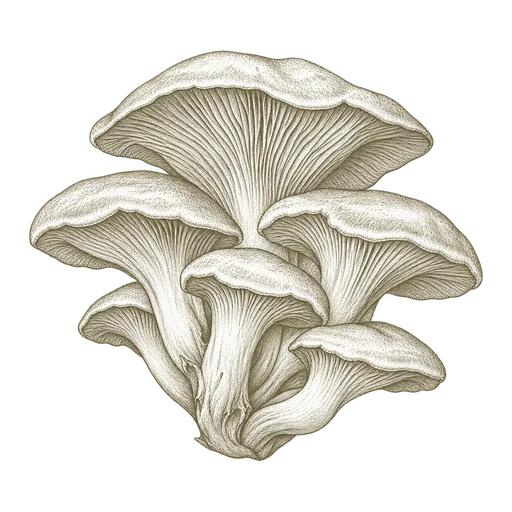
Mushrooms

Mushrooms are sourced in different species and forms, from whole edible fruiting bodies to powders and extracts. Identify the species, part and processing method first, then compare the analysis and handling details relevant to your food application.

Explore ingredient
Tree Nuts

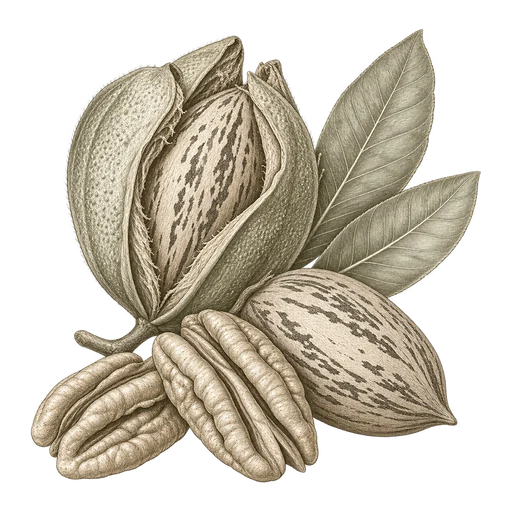
Pecans

Pecans are edible tree-nut kernels sourced as halves, pieces, meal or flour for food production. Match the form to the finished product, then compare lot-specific moisture, size, condition and storage information.

Explore ingredient
Pulses

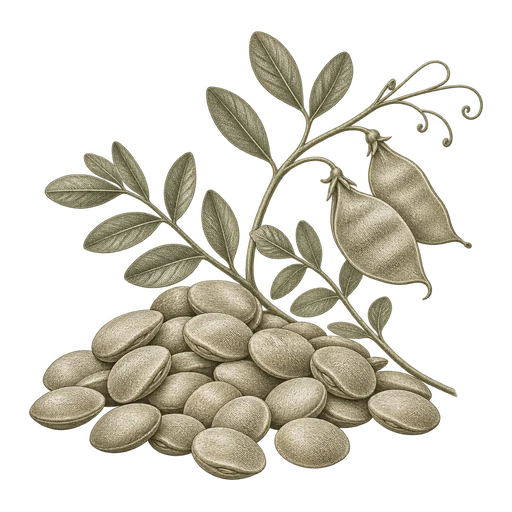
Red Lentils

Red lentils are sold whole, split, or split and dehulled for food processing and, where appropriate, feed use. Compare the physical form and quality factors such as moisture, foreign material, damage and color to match the order to its intended use.

Explore ingredient

Physical form changes how ingredients are used

Ingredient form and processing describes the ways a food ingredient is prepared and presented for handling or formulation. Mushrooms may be sold fresh, dried as slices, or milled into powder. Pecans may be offered in-shell or as kernels, including halves, pieces, meal, or flour. These are distinct ingredient options, not interchangeable products; the right choice depends on the recipe, equipment, and required texture.

Specify the details behind the label

For mushrooms, identify the species and whether the product is whole, sliced, or powdered. Drying method and conditions can affect sensory and physical qualities, so the broad labels “dried mushroom” and “mushroom powder” do not define a uniform specification. For pecans, state the kernel form and size basis: halves are sized by count, while pieces are sized by screen dimensions in USDA grade standards. A grade name applies only when the lot meets the relevant standard.

Match the form to handling and storage

Dried mushroom slices and powders are used in foods such as soups, sauces, seasoning blends, and pasta, but the ingredient’s specific characteristics still need to fit the intended application. Pecan form also affects handling: smaller pieces and whole kernels do not behave identically in storage, and kernels can become more brittle when very dry. Compare moisture results only when the test method, basis, and product form are clear, and assess storage conditions alongside packaging and lot condition.

Common questions.

Does “mushroom” identify a specific ingredient form?+

No. Confirm the species and whether the product is fresh, dried, sliced, or powdered.

Are dried mushroom slices and mushroom powder equivalent?+

No. Powder is milled from dried mushrooms; confirm particle size and other processing details for the form you need.

How should pecan size labels be compared?+

Check the form and sizing basis. USDA standards use count-based sizing for halves and screen dimensions for pieces.

Can moisture figures be compared across mushroom and pecan offers?+

Not without context. Confirm the product form, test method, measurement basis, and applicable specification before comparing results.

Ingredient form and processing · BUYER INSIGHTS

Go deeper before you source.

Focused guides to the specification, application, and delivery questions behind this ingredient.

FIELD GUIDE01Ingredient form and processing
Buyer’s guide

Red Lentils: Bulk Receiving and Storage Planning

Plan bulk red lentil delivery around the product form, your facility’s unloading capability and clean, dry storage. Clear receiving details help shape a practical quote.

Read this Insight
FIELD GUIDE02Ingredient form and processing
Buyer’s guide

Whole, Split or Dehulled Red Lentils for Food Processing

Whole, split and dehulled describe separate characteristics of red lentils. Learn how to specify seed-coat status and kernel shape so the ingredient description matches your food process.

Read this Insight
FIELD GUIDE03Ingredient form and processing
Buyer’s guide

Red Lentils: Comparing Quality Specifications for Bulk Orders

A practical guide to comparing bulk red-lentil lots by form, moisture, foreign material, seed condition, color and measurement basis—without confusing inspection factors with universal acceptance limits.

Read this Insight
FIELD GUIDE04Ingredient form and processing
Buyer’s guide

Receiving and storing bulk pecans: packaging and temperature questions

Plan bulk pecan receiving around the product form, package and unloading setup. Protect kernels from humidity, contamination and unnecessary handling, and use storage guidance specific to the offered product rather than relying on a universal shelf-life assumption.

Read this Insight
FIELD GUIDE05Ingredient form and processing
Buyer’s guide

Pecans in food formulations: choosing halves, pieces, meal or flour

Choose pecan halves, pieces, meal or flour according to the finished product’s appearance, desired particle size and mixing process. Define the form clearly before comparing bulk offers.

Read this Insight
FIELD GUIDE06Ingredient form and processing
Buyer’s guide

Pecans: how moisture and grade affect a bulk purchase

Compare the grade basis with current lot information for shelled pecans. Moisture, kernel development, color, defects, size and uniformity each describe a different purchase consideration.

Read this Insight