Independent sourcing. Better connections.Commercial buyers · Bulk ingredients
topic

Ingredient applications

Ingredient applications depend on what a product is and the form in which it is supplied. This collection includes pine nuts and pistachios, quinoa, red lentils and red lentil flour, potato starch, sweet potato flakes, and Raw Pickouts. Compare them by their role in the formulation, processing needs and handling—not simply as bulk food ingredients.

8 ingredients6 published Insights
EXPLORE THE COLLECTION

Ingredient applications ingredients

Tree Nuts

Pine Nuts

Pine nuts are edible seeds sold shell-on, as shelled kernels or as extracted oil. Species, form and freshness criteria help buyers match the ingredient to food applications such as salads, desserts, sauces and further processing.

Explore ingredient
Tree Nuts

Pistachios

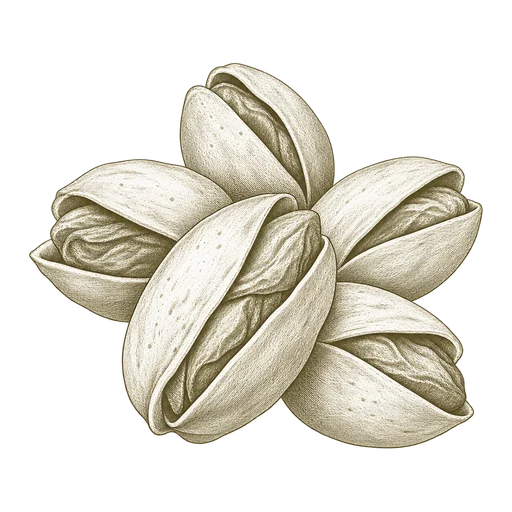
Pistachios are sourced as in-shell nuts, shelled kernels and processed forms for snacks, bakery, frozen desserts, sauces and confections. Define the product form, processing and quality requirements together, since shelling, roasting, seasoning and particle size change how the ingredient fits a food application.

Explore ingredient
Starches/Fibers/Proteins

Potato Starch

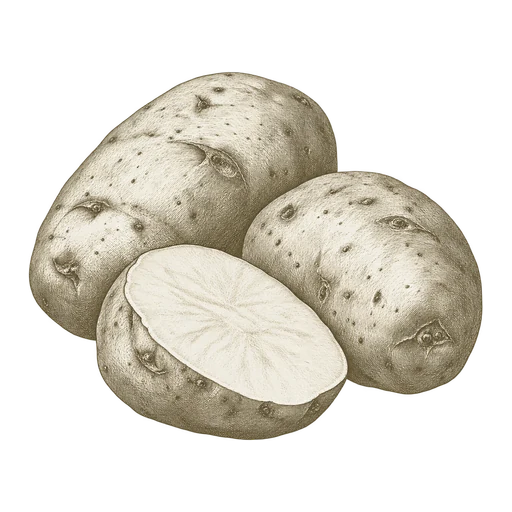
Potato starch is a dried, potato-derived ingredient used in food formulations for thickening, stabilization, gel formation and texture. Identify native or modified form and compare functional specifications against the process and receiving requirements for your bulk order.

Explore ingredient
Grains

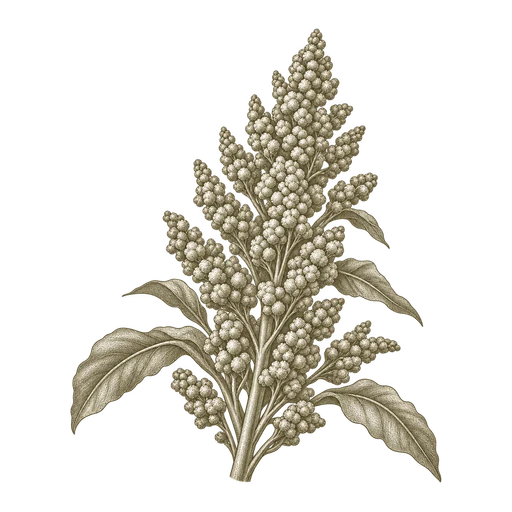
Quinoa

Quinoa is a grain-like pseudocereal seed sold in distinct forms such as whole grain and flour. Compare form, processing and relevant quality measures to match the product to a food or feed application and plan receiving and storage.

Explore ingredient
Peanuts

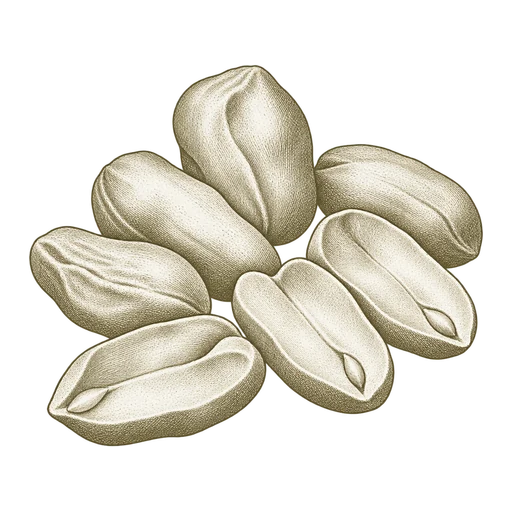
Raw Pickouts

Raw pickouts most likely means raw peanut kernels or pieces separated during processing, but the name does not define a standard grade. Compare the offered kernel form, sorting criteria and lot-specific testing—especially aflatoxin—against the intended use and receiving plan.

Explore ingredient
Pulses

Red Lentil Flour

Red lentil flour is a milled human-food ingredient whose seed form, particle size and processing history affect how it performs in formulations. Compare those characteristics with your application and specify the quality information, packaging and delivery details needed for a bulk order.

Explore ingredient
Pulses

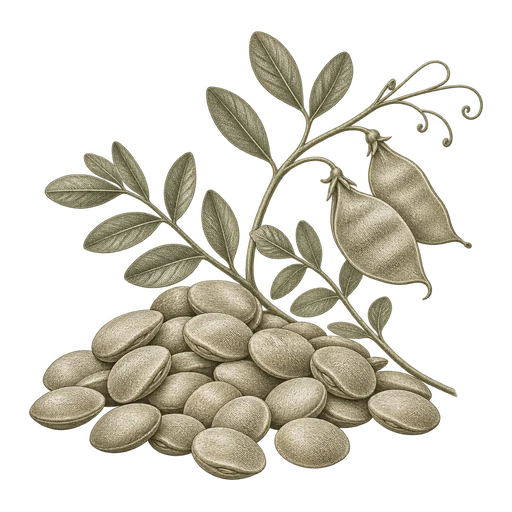
Red Lentils

Red lentils are sold whole, split, or split and dehulled for food processing and, where appropriate, feed use. Compare the physical form and quality factors such as moisture, foreign material, damage and color to match the order to its intended use.

Explore ingredient

Different forms serve different roles

This collection spans whole ingredients, milled forms and dehydrated or functional ingredients—not interchangeable alternatives. Pine nuts and pistachios bring nut flavor, texture and visible pieces to foods. Quinoa and red lentils are whole-seed or pulse options, while red lentil flour is a milled ingredient with different handling and formulation behavior.

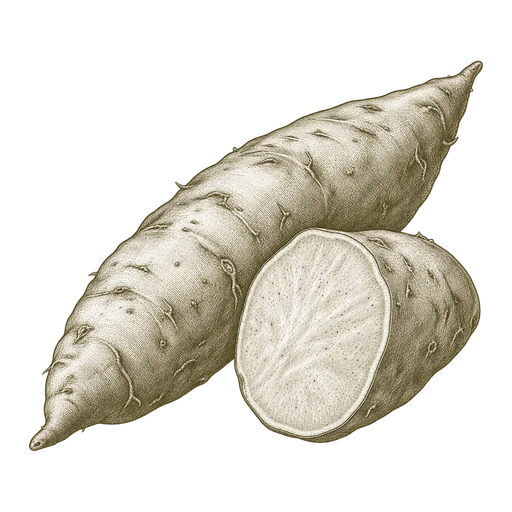
Potato starch is an isolated functional starch used to influence thickness and texture; sweet potato flakes are dehydrated vegetable material. The name Raw Pickouts does not identify its source or intended use, so establish its identity before comparing it with other members.

Match form to the process

Start with the role the ingredient must perform: intact pieces, a flour incorporated into a mixture, starch functionality, or a dehydrated ingredient that will be rehydrated or blended. Particle characteristics can affect flour handling, and starch behavior depends on the recipe and processing conditions. Published use in a food type is a starting point, not a performance guarantee for every lot.

For a meaningful comparison, evaluate the ingredient in the actual formulation and process. A whole pulse will not behave like its flour; potato starch will not substitute directly for sweet potato flakes. Confirm the exact form and any processing or treatment relevant to your recipe.

Check specifications before buying in bulk

Request the product specification and lot documentation. Check ingredient identity, processing or treatment, particle-size information where relevant, moisture basis, and applicable food-safety criteria. For nuts, also clarify whether the product is shelled and what form is being offered.

Ask for product-specific storage and handling guidance rather than applying one rule to this varied collection. Confirm lot-specific commercial terms, including quantity, packaging, and delivery arrangements, before purchase.

Common questions.

Can these ingredients be substituted for one another?+

Not on a one-for-one basis. Whole nuts, seeds and pulses, flours, potato starch and sweet potato flakes have different structures and roles. Test any substitution in the intended recipe and process.

What should I compare between whole red lentils and red lentil flour?+

Confirm the form, processing and particle-size information, then assess how it handles and performs in your application. Flour behavior can differ across particle-size streams.

Does potato starch serve the same purpose as sweet potato flakes?+

No. Potato starch is a functional starch; sweet potato flakes are dehydrated sweet-potato material. Their composition and roles differ, so select and test them according to the formulation need.

What does Raw Pickouts refer to?+

The name alone does not establish its source ingredient, composition, grade or intended use. Confirm those details and review the specification before treating it as a food ingredient.

Ingredient applications · BUYER INSIGHTS

Go deeper before you source.

Focused guides to the specification, application, and delivery questions behind this ingredient.

FIELD GUIDE01Ingredient applications
Buyer’s guide

Planning bulk receiving and storage for sweet potato flakes

Plan bulk sweet potato flakes receiving by matching the order quantity, delivery details, packaging and storage plan to your facility—and use product-specific handling directions rather than assumptions about dehydrated ingredients.

Read this Insight
FIELD GUIDE02Ingredient applications
Buyer's guide

Sweet potato flakes in food formulations: what to evaluate

A practical framework for evaluating sweet potato flakes in a specific food recipe, from product identity and particle size to sensory testing and manufacturing trials.

Read this Insight
FIELD GUIDE03Ingredient applications
Buyer’s guide

How to compare sweet potato flakes specifications

A practical framework for comparing sweet potato flakes specifications, including ingredient identity, processing, moisture methods, particle-size reporting and sensory descriptions.

Read this Insight
FIELD GUIDE04Ingredient applications
Buyer’s guide

Red Lentils: Bulk Receiving and Storage Planning

Plan bulk red lentil delivery around the product form, your facility’s unloading capability and clean, dry storage. Clear receiving details help shape a practical quote.

Read this Insight
FIELD GUIDE05Ingredient applications
Buyer’s guide

Whole, Split or Dehulled Red Lentils for Food Processing

Whole, split and dehulled describe separate characteristics of red lentils. Learn how to specify seed-coat status and kernel shape so the ingredient description matches your food process.

Read this Insight
FIELD GUIDE06Ingredient applications
Buyer’s guide

Red Lentils: Comparing Quality Specifications for Bulk Orders

A practical guide to comparing bulk red-lentil lots by form, moisture, foreign material, seed condition, color and measurement basis—without confusing inspection factors with universal acceptance limits.

Read this Insight