Independent sourcing. Better connections.Commercial buyers · Bulk ingredients
topic

Fruit processing by-products

Fruit processing by-products can vary substantially with the fruit and the process that produced them. This collection currently links to Pears, so the focus is pear-derived residues and streams rather than every type of fruit co-product. Buyers should distinguish solid pomace or pulp from concentrated liquid products and assess each lot in light of its processing history, intended use and handling requirements.

1 ingredients3 published Insights
EXPLORE THE COLLECTION

Fruit processing by-products ingredients

Dried Fruits

Pears

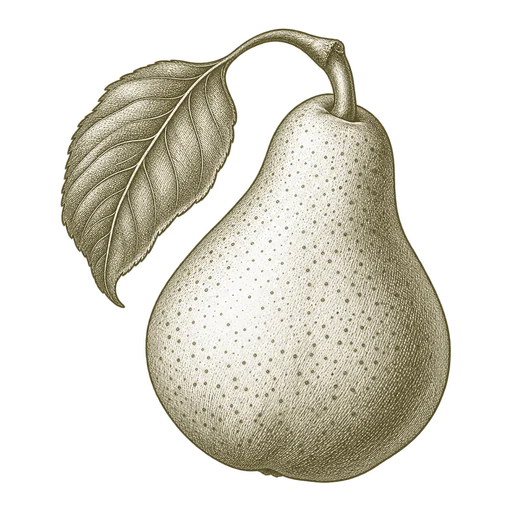
Pears are sourced as whole fresh fruit and as distinct processing products such as pulp, pomace and silage. Identify the form and intended use first: fresh-fruit maturity and handling requirements differ from feed-by-product analysis, receiving and storage needs.

Explore ingredient

Pear residues depend on the process

This collection currently links to Pears and focuses on materials left or produced by pear processing, not the full range of fruit by-products. Pear pomace or pulp is a solid residue from juice or puree extraction; its components can include skin, seeds and flesh. Pear molasses is different: it is a concentrated liquid made from extracted juice. These names do not define a single standardized ingredient, so the processing route and physical form matter.

Further processing changes the material too. Washing, drying and milling can alter the composition and behavior of pomace. Findings for a prepared pear-pomace flour describe that specific sample, not every wet or dried pear residue.

Match material identity to the intended use

For bulk evaluation, establish whether the lot is juice pomace, puree residue, pulp or a liquid stream, and clarify which fruit fractions and other process materials it contains. Confirm whether it is intended for livestock feed, pet food or human-food formulation; evidence for one use does not establish suitability for another.

Compare analyses on the same basis, particularly as-fed versus dry matter, and account for processing state. Depending on the intended use, review moisture, fiber, sugars and other relevant composition measures, as well as microbiological condition. Wet residues and dried powders also raise different storage and handling questions. Confirm the lot’s preservation treatment, packaging and storage requirements rather than assuming a shelf life from research on a different sample.

Common questions.

Is pear pomace the same as pear pulp?+

The terms can overlap, but they do not establish a uniform trade definition. Confirm the process, physical form and included fractions for the specific lot.

Is pear molasses interchangeable with pear pomace?+

No. Pomace is a solid residue, while pear molasses is a concentrated liquid made from extracted juice. Their composition and handling needs differ.

Can research on pear pomace for food establish feed or pet-food suitability?+

No. Food-formulation findings apply to the particular prepared samples studied. Feed, pet-food and human-food uses require their own suitability and lot-specific checks.

How should buyers compare wet and dried pear residues?+

Compare analytical results on a stated, matching basis, such as dry matter, and check moisture, processing and preservation. Percentages from differently processed materials may not be directly comparable.

Fruit processing by-products · BUYER INSIGHTS

Go deeper before you source.

Focused guides to the specification, application, and delivery questions behind this ingredient.