Food ingredient formulation brings together ingredients with different roles and physical forms, from sugar and pulses to egg powder, fruit, vegetables, seeds and nuts. The collection includes split yellow peas, yellow peas, spray-dried egg powder, strawberries, sugar, sunflower hearts, sweet potato flakes, tomato, walnut pieces and watermelon. Ingredient names alone do not establish every processing detail or confirm a fit for a particular recipe. Buyers should match the exact form and current,
Split yellow peas are dehulled, split smooth yellow dry peas used as a food commodity and milled into flour for food formulations. Choose the form around the process, then compare relevant physical quality, analysis and receiving requirements.
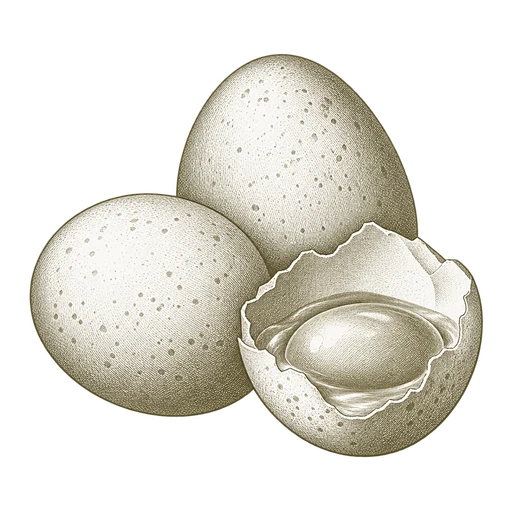
Spray-dried egg powder may be whole egg, egg white, yolk or a blend. Identify the exact composition, intended use and handling needs before comparing bulk offers, since these choices affect formulation, quality requirements and receiving plans.
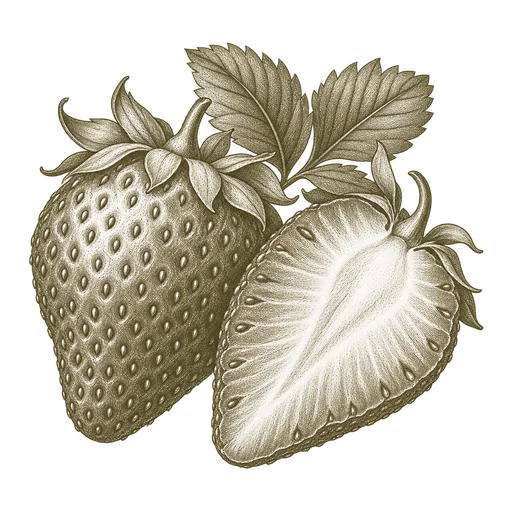
Bulk strawberries are sourced in fresh, frozen and processed forms, each with different handling and recipe characteristics. Specify the form, intended use and relevant quality criteria—especially frozen-fruit grade or dried-product analysis—to compare suitable offers.
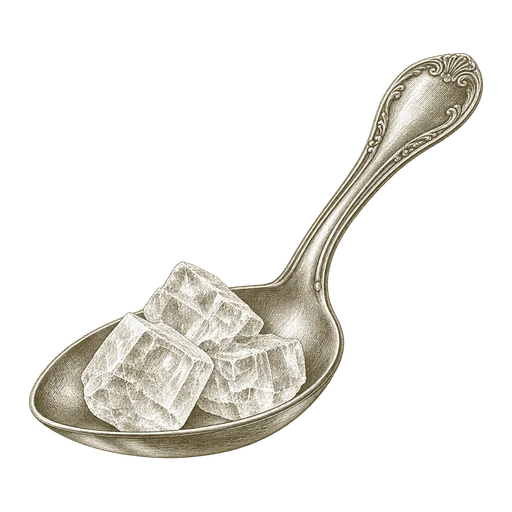
Sugar is a broad product family that includes crystalline sucrose, powdered sugar, liquid sugar, syrups and molasses. Identify the exact product, form and intended use, then compare the quality measures and handling information relevant to that category.
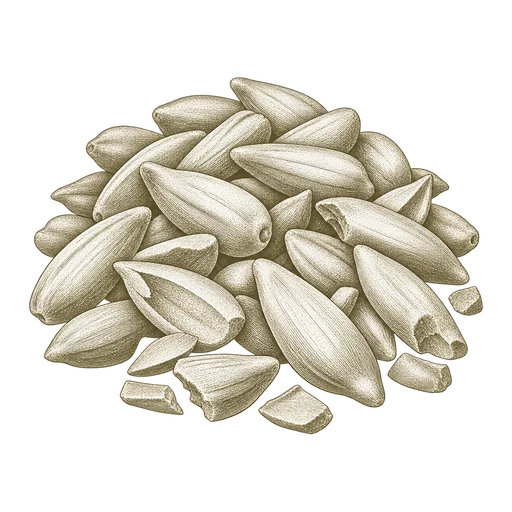
Sunflower hearts are dehulled sunflower kernels used in food formulations and some feed applications. Compare whole or broken form, processing state and lot analysis against the intended use before arranging a bulk shipment.
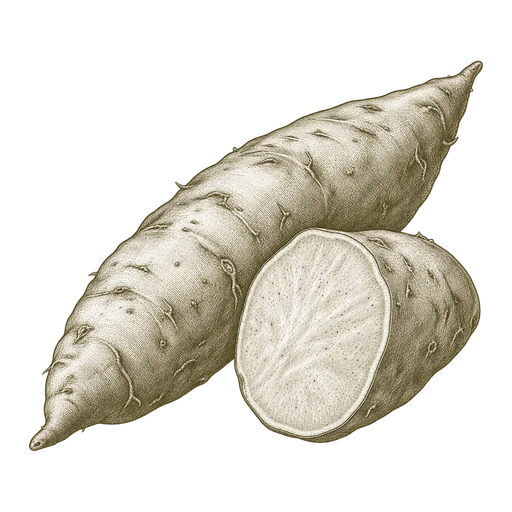
Sweet potato flakes are a dehydrated sweet-potato ingredient whose processing, particle size and identity can differ by product. Compare the specification and intended-use documentation before arranging a bulk order.
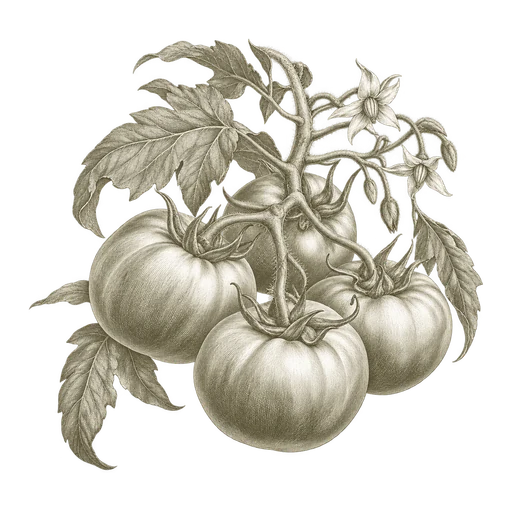
Tomato pomace is a tomato-processing residue supplied in wet, dried, powdered or preserved forms. Compare the form, composition and intended feed or food use, since moisture and the proportions of skins, seeds and pulp affect handling and formulation.
Walnut pieces are broken edible walnut kernels used where a fragment format fits the finished food. Confirm species, kernel-versus-meal identity, piece size and lot condition, then plan moisture-protected, cool storage.
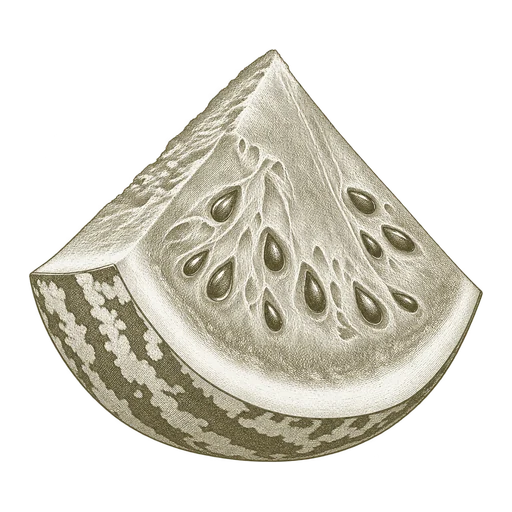
Watermelon ingredients include seed flour, meal, protein concentrate and rind meal, each with different processing and composition. Identify the plant part, processing and intended food or feed use before comparing bulk offers.
Yellow peas are dry field peas sold whole, split or milled into flour for food ingredients and feed. Choose the form for the receiving process, and compare lot quality against the intended use.
These ingredients differ in function and physical form. Sugar is a sweetener; split yellow peas and yellow peas are pulse ingredients; spray-dried egg powder is a processed egg ingredient. Strawberries, tomato and watermelon are named without enough detail to establish their processing form.
Other entries identify a form more clearly: sweet potato flakes, sunflower hearts and walnut pieces. That distinction matters in formulation because piece size, moisture, processing and any added ingredients can affect handling and recipe performance.
Match the specification to the recipe
Start by defining the role each ingredient must perform and the form your process can use. For peas, clarify whether the desired ingredient is split or whole. For fruit and tomato ingredients, confirm whether the offered form is fresh, frozen, dried, puréed or otherwise processed rather than relying on the name alone.
For a trial or purchase, compare ingredient statements and specifications that match the exact form and intended use. Depending on the ingredient, useful details to review include moisture, particle or piece size, sensory criteria, packaging and shelf-life basis. Confirm allergen and cross-contact information for egg powder and walnut pieces.
Check fit before scaling
A familiar ingredient name does not establish suitability for a particular recipe or process. Review the current product documentation, then test the ingredient in the actual formulation and processing conditions. Confirm lot-specific commercial terms and documentation before committing to a bulk purchase.
Common questions.
Can I tell the processing form from the ingredient name?+
Not always. The names identify forms such as spray-dried egg powder and sweet potato flakes, but do not specify the form of every fruit or vegetable ingredient. Confirm the offered form and ingredient statement.
How should I compare two suppliers’ specifications?+
Check that both documents describe the same ingredient form, test method, units and measurement basis. A specification for one processed form should not be treated as interchangeable with another.
What should I verify for egg powder and walnut pieces?+
Review current allergen and cross-contact information, ingredient statements and relevant handling documentation for the specific lot.
Does this collection establish suitability or availability?+
No. Suitability depends on the intended recipe and process, while availability and lot-specific terms require confirmation for the purchase.
Food ingredient formulation · BUYER INSIGHTS
Go deeper before you source.
Focused guides to the specification, application, and delivery questions behind this ingredient.