Independent sourcing. Better connections.Commercial buyers · Bulk ingredients
topic

Food ingredient applications

Food ingredient applications span very different product forms and functions. This collection covers lentils, available as whole or split seed and as processed flour or fractions, and milk protein concentrate (MPC) 70/80/85, a dairy powder. Buyers can use the collection to compare ingredient roles and identify which form and lot specifications to evaluate for a food formulation.

2 ingredients6 published Insights
EXPLORE THE COLLECTION

Food ingredient applications ingredients

Other Seeds & Grains

Lentils

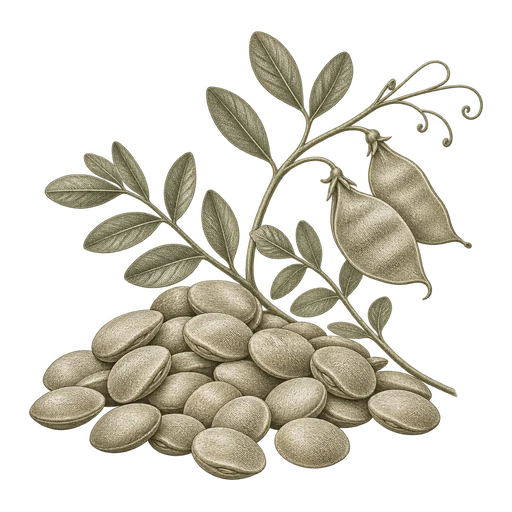
Lentils are pulse seeds sold as whole, split or dehulled product for food processing and, with lot-specific evaluation, some feed uses. Specify the form, type and quality measures that match your application.

Explore ingredient
Different ingredients, different formulation roles

This collection brings together lentils and milk protein concentrate 70/80/85 for buyers exploring food ingredient applications. They are not interchangeable protein sources: lentils are pulses that may be purchased as whole or split seed, flour, or separated fractions, while milk protein concentrate (MPC) is a dairy powder.

Lentils can enter a product as a cooked seed or as a processed ingredient. Flour and fractions can contribute protein, starch and fiber, but their functional behavior depends on the form and processing. MPC is used to add dairy protein and can affect texture and stabilization; performance depends on grade, composition and processing.

Match ingredient form to the process

For lentils, identify whether the recipe and equipment call for whole seed, split or dehulled lentils, flour, or a protein-, starch- or fiber-rich fraction. These forms have different processing roles, so a general reference to “lentils” is not a complete purchase specification.

MPC70, MPC80 and MPC85 indicate approximate protein levels, not a ranking of overall suitability. Higher-protein grades typically contain less lactose, but the right choice depends on formulation, rehydration and process performance. Confirm the protein reporting basis when comparing specifications.

Compare lots using relevant measures

For whole lentils, define acceptable moisture, foreign material, splits, defects, color and odor. For MPC, compare protein, lactose, fat, ash and moisture alongside solubility or dispersibility expectations, microbiological limits and analytical methods. For either ingredient, review the current lot specification and certificate of analysis, plus packaging and storage conditions, before making a bulk purchase decision.

Common questions.

Are whole lentils and lentil flour suitable for the same applications?+

Not necessarily. Whole lentils are generally used as a food seed, while flour and separated fractions are processed ingredients with different composition and functionality. Confirm the required form and processing characteristics.

Does MPC85 always work better than MPC70?+

No. The number indicates approximate protein content, not universal performance. Choose based on the formulation and process, and compare the grades’ composition, reporting basis and rehydration behavior.

What should buyers compare when sourcing these ingredients in bulk?+

Specify the exact lentil form or MPC grade, then compare the lot specification and certificate of analysis using consistent test methods and reporting bases. Also review packaging, storage conditions and applicable allergen and food-safety documentation.

Food ingredient applications · BUYER INSIGHTS

Go deeper before you source.

Focused guides to the specification, application, and delivery questions behind this ingredient.

FIELD GUIDE01Food ingredient applications
Buyer’s guide

Planning bulk milk protein concentrate receiving and storage

Prepare a bulk milk protein concentrate order by aligning the MPC type, quantity and delivery plan with your plant’s receiving equipment, unloading constraints and moisture-protected storage.

Read this Insight
FIELD GUIDE02Food ingredient applications
Buyer’s guide

Choosing milk protein concentrate for beverage hydration and heat processing

Protein grade alone cannot predict how milk protein concentrate will hydrate, dissolve or withstand beverage heat processing. Define the formulation and process targets, then evaluate product-specific data and performance under representative conditions.

Read this Insight
FIELD GUIDE03Food ingredient applications
Buyer’s guide

How to compare milk protein concentrate 70, 80 and 85 specifications

Compare milk protein concentrate grades by more than the number on the label. Protein basis, standard definitions, lot results and the rest of the composition all affect whether MPC 70, 80 or 85 matches a specification.

Read this Insight
FIELD GUIDE04Food ingredient applications
Buyer’s guide

Planning storage and receiving for bulk lentils

Plan bulk lentil receiving around product form, shipment quantity, facility equipment and storage conditions. Moisture assessment and lot storage history help inform acceptance and handling decisions.

Read this Insight
FIELD GUIDE05Food ingredient applications
Buyer’s guide

Whole vs. split lentils for food processing

Choose whole, split or dehulled lentils according to the role, appearance and structure required in the finished food. This guide compares the forms for soups, stews, casseroles and salads, and explains which details to define in a bulk specification.

Read this Insight
FIELD GUIDE06Food ingredient applications
Buyer’s guide

How to compare lentil quality and grade basis

Compare bulk lentil offers by identifying the grade basis and separately defining the quality measures that matter to your process.

Read this Insight