Independent sourcing. Better connections.Commercial buyers · Bulk ingredients
topic

Feed and food applications

This topic brings together Canary and Con Oils, but the supplied names do not establish exact ingredient identities. Confirm each product, grade and intended market before comparing feed or food uses, analyses and bulk offers.

2 ingredients3 published Insights
EXPLORE THE COLLECTION

Feed and food applications ingredients

Other Seeds & Grains

Canary

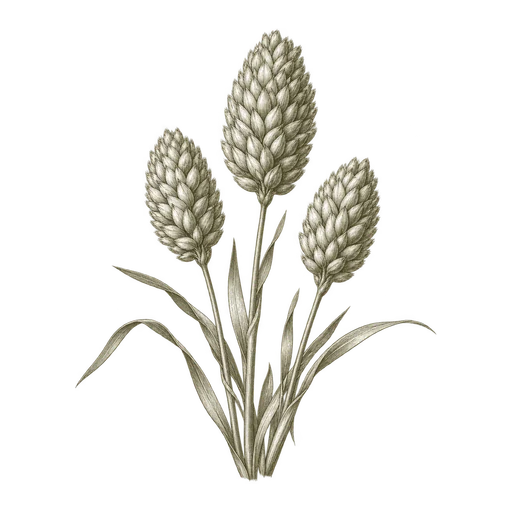
Canary seed is a grass grain sourced mainly for bird-feed blends, with specific glabrous varieties also processed into food ingredients such as groats and flour. Identify the hull type, intended market and processing form before comparing bulk lots.

Explore ingredient
Sunflower Seeds

Con Oils

“Con Oils” is not a precise ingredient identity. If corn oil is intended, buyers should distinguish the source stream, processing and intended use before comparing specifications or arranging a bulk order.

Explore ingredient

Start with the exact ingredient identity

This collection includes Canary and Con Oils, but those names alone do not establish what either product is. “Canary” should not be assumed to mean canola; it may refer to canary seed or another item. “Con Oils” does not identify a specific oil or processing grade. Confirm the commodity and product form before comparing applications or specifications.

That distinction matters because feed and food uses are not interchangeable. If an item is confirmed as canola, canola oil and canola meal are separate outputs with different uses and quality checks. If an oil is confirmed as corn oil, its food or other intended use still depends on its grade and lot documentation.

Compare the right measures for the intended market

For a feed ingredient such as confirmed canola meal, review the analysis relevant to formulation, including protein, fat, fibre, moisture and glucosinolates. Check the physical form and processing method as well. Protein percentage alone does not establish equivalence to another feed ingredient; species and ration needs affect its value.

For an edible oil, confirm refining status and intended use. Free fatty acids and peroxide value can help assess oil condition, but they do not by themselves establish suitability for every food application. Compare results using the stated units and analytical basis, such as as-received or dry matter where applicable.

Make bulk offers comparable

Ask for the exact product name, grade, form and current lot analysis before evaluating price. Confirm whether the offer is intended for feed or human food, and review the relevant specification and supporting documentation. Also match the physical form and bulk or packaged delivery format to receiving and storage requirements; the supplied names do not establish these details.

Common questions.

Does “Canary” mean canola?+

The name alone does not confirm that. It could refer to canary seed, canola shorthand or another product, so verify the exact ingredient identity before evaluating it.

What oil does “Con Oils” identify?+

The label does not specify an oil or its grade. Confirm the oil identity, refining status, intended market and lot specification.

Can one ingredient be used for both feed and food?+

Intended use depends on the confirmed product, grade and processing. A feed ingredient and a food-grade ingredient should not be treated as interchangeable without supporting specifications and documentation.

Which analysis should buyers compare?+

Use measures relevant to the confirmed product and intended use. For canola meal, that can include protein, fat, fibre, moisture and glucosinolates; for oil, confirm measures such as free fatty acids and peroxide value alongside grade and use.

Feed and food applications · BUYER INSIGHTS

Go deeper before you source.

Focused guides to the specification, application, and delivery questions behind this ingredient.