Feed Ingredients
Soybean Meal
A plant protein ingredient for commercial feed programs.
Explore ingredientDairy cattle ration formulation uses the cow’s needs and the measured composition of the complete diet to assess ingredient fit. This topic brings together Soybean Meal and Thistle Seed, with a focus on protein contribution, product form and lot analysis. The two ingredients should not be treated as equivalent without product-specific information.
A plant protein ingredient for commercial feed programs.
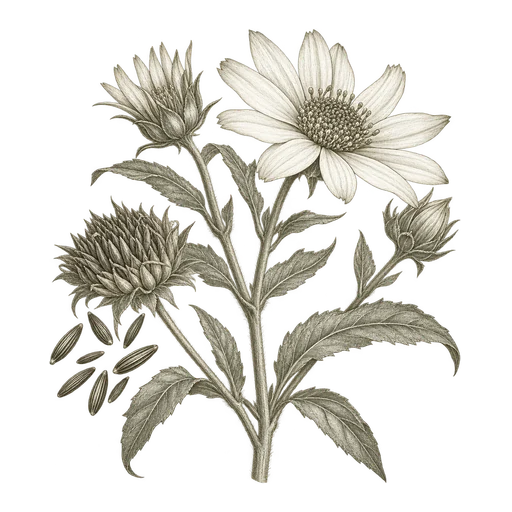
Explore ingredientMilk thistle (Silybum marianum) is sourced as whole or ground seed and as processed products such as press cake and meal. Identify the botanical species and form first, then compare lot analysis and receiving needs for the intended feed application.
Explore ingredientDairy cattle ration formulation starts with the cow’s nutrient needs and the measured composition of the complete diet. Forage analysis and dry-matter adjustments help make ingredient comparisons meaningful; protein sources must also fit alongside available energy and adequate fiber. A feed’s name alone does not establish its contribution to a balanced ration.
Soybean Meal and Thistle Seed are the two ingredients in this collection. They are not interchangeable by default: their processing forms and nutrient contributions need to be understood before either is considered in a ration.
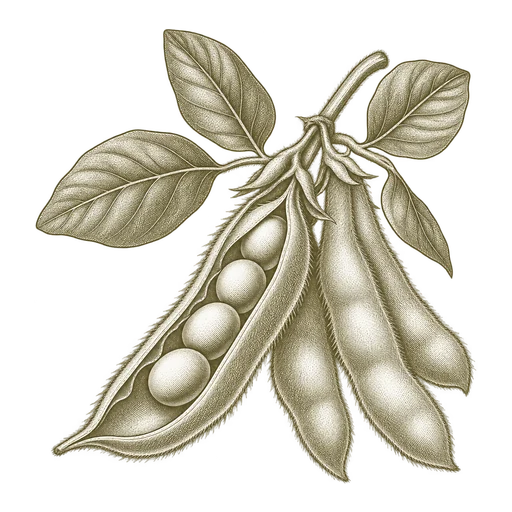
Soybean meal is a familiar protein ingredient in dairy feeding. Its value in a particular ration depends on the offered product’s analysis and on how its protein fits the diet’s rumen-degradable and rumen-undegradable protein needs. Processing type and dry matter are useful comparison points; a general ingredient name does not guarantee a specific analysis.
Research on thistle as a dairy feed ingredient concerns milk thistle meal, not every product described as thistle seed. Whole seed, pressed cake and meal should not be assumed to have the same composition. The product’s botanical identity and form matter before interpreting that research.
When evaluating a lot, use its current analysis—including moisture or dry matter and crude protein—and relevant protein-fraction or digestibility information where available for the formulation. Compare nutrient contribution to the ration’s needs rather than relying on purchase price or a generic inclusion figure.
Keep forage quality, energy, fiber, feed consistency and ration management in view. The available evidence does not support a general thistle-seed inclusion rate or a claim that thistle seed can replace soybean meal. Ration decisions should be based on the specific product and diet.
There is no general replacement conclusion supported here. The relevant research concerns milk thistle meal specifically, so product identity, processing form and analysis need to be evaluated for the actual ration.
Review the lot’s dry matter, crude protein and processing type. Where relevant to the ration, compare protein fractions and digestibility as well as the ingredient’s fit with forage, energy and fiber.
Evidence about milk thistle meal does not automatically apply to whole seed, pressed cake or other products called thistle seed. Confirm botanical identity and processing form before using that evidence.
No. Ration formulation also considers protein degradability and digestibility, along with energy, fiber, forage quality and the measured composition of the full diet.
Focused guides to the specification, application, and delivery questions behind this ingredient.
Plan bulk milk thistle seed receiving around the botanical identity, exact product form, order details, facility constraints, and storage guidance for the offered lot.
Read this InsightA practical framework for evaluating milk thistle meal in dairy cattle rations, from distinguishing product forms to interpreting lot analysis and fitting its nutrients into the complete diet.
Read this InsightA practical comparison of milk thistle seed and meal analyses, covering product form, moisture basis, key composition measures, fiber testing and flavonolignan assays.
Read this InsightA practical pre-shipment guide to coordinating bulk soybean meal delivery, receiving equipment, lot paperwork, sampling and dry, clean storage.
Read this InsightA dairy ration decision starts with the complete diet: forage, animal group, other protein sources, and the nutritionist’s nutrient and amino-acid targets. This checklist explains how to evaluate soybean meal’s role and what offer details to discuss before sourcing.
Read this InsightSoybean meal protein percentages reported as-fed and on a dry-matter basis cannot be compared directly. Align moisture, reporting basis, method information, and the context of each COA before evaluating supplier values.
Read this Insight