Independent sourcing. Better connections.Commercial buyers · Bulk ingredients
topic

Cold-chain handling

Cold-chain handling for this collection covers fresh vegetables, currants and dairy products, not a single commodity with one temperature target. Buyers need to account for ingredient form, product-specific temperature needs, mixed-load compatibility and shipment records. The collection includes broccoli, butter products, carrots, celery, cheese, cucumber, currants, green beans and lettuce.

9 ingredients6 published Insights
EXPLORE THE COLLECTION

Cold-chain handling ingredients

Dried Vegetables

Broccoli

Bulk broccoli is commonly sourced as fresh whole crowns or cut florets. Choose the form for your receiving and preparation needs, and plan quality checks and cold storage accordingly; broccoli residues intended for feed are a separate, variable material.

Explore ingredient
Dairy Ingredients

Butter Products

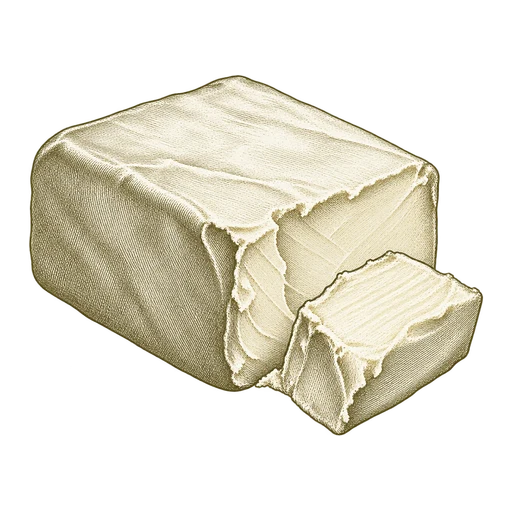
Butter products include churned butter, concentrated milkfat products and formulated powders. Choose the exact form first: composition, recipe role, quality measures and temperature or storage needs differ across these ingredients.

Explore ingredient
Dried Vegetables

Carrots

Bulk carrots can mean fresh roots, frozen or dehydrated product, ensiled feed material, or processing by-products such as juice pomace. Identify the exact form and intended use, then compare moisture and analysis on a consistent basis.

Explore ingredient
Dried Vegetables

Celery

Celery is sourced for food use as fresh stalks and leaves, frozen celery, or dried material. Specify the plant part and form because they differ in culinary role, handling, quality measures and storage needs.

Explore ingredient
Dairy Ingredients

Cheese (All Types)

Cheese is a broad ingredient category ranging from natural and processed products to cheese powder and trimmings. Define the variety, composition and physical form first; cheese powder serves dry food applications, while other forms require specifications matched to their intended process.

Explore ingredient
Dried Vegetables

Cucumber

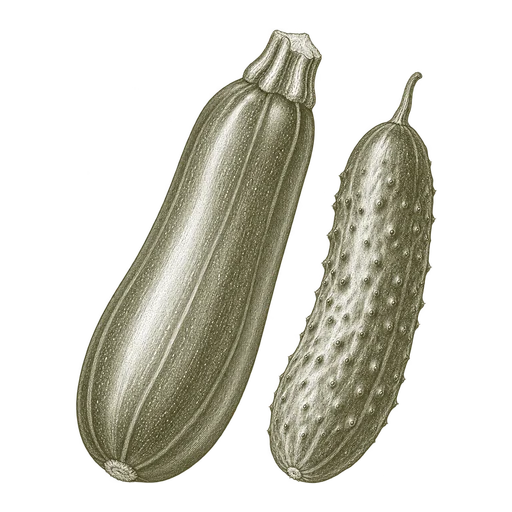
Cucumber is sourced as fresh produce for slicing and pickling uses. Define the intended use, size and quality expectations, and temperature-sensitive handling needs when planning a bulk order.

Explore ingredient
Dried Fruits

Currants

Ribes currants include black, red, pink and white berries used fresh, frozen or in processed food ingredients. Specify the fruit type and distinguish whole berries, juice, preserves and blackcurrant pomace powder, since these forms serve different roles and have different quality considerations.

Explore ingredient
Dried Vegetables

Green Beans

Green beans are tender immature pods supplied fresh, frozen or canned. Specify the preservation form, cut style and condition criteria to match the product to your food operation and receiving setup.

Explore ingredient
Dried Vegetables

Lettuce

Lettuce is sourced as fresh heads or leaves, cut product, processing residue or dried waste. The type and form determine its food or potential by-product use, the quality details to compare and the handling needed for a bulk order.

Explore ingredient

Different ingredients need different temperature plans

This collection includes fresh vegetables—broccoli, carrots, celery, cucumber, green beans and lettuce—alongside currants, butter products and cheese. They do not share one universal refrigerated setting. Product form matters too: whole and cut produce, chilled and frozen butter, and different cheese styles can have distinct requirements.

Broccoli, carrots, celery and lettuce are generally handled near 32°F, with item-specific limits for freezing and moisture. Cucumbers are typically stored warmer, at 50–55°F, while snap green beans have a recommended range of 41–45°F. Those differences can make a mixed refrigerated load difficult to plan; confirm that the products, trip duration and temperature plan are compatible.

Specify conditions and check the shipment

For bulk purchasing, agree on the exact ingredient form, required product-temperature range, packaging condition and receiving criteria before shipment. Ask whether produce was precooled before loading and what temperature evidence will accompany the lot. Reefer air temperature alone does not show the full temperature history of the product.

At receipt, compare available product and vehicle readings with the agreed requirements, review any time/temperature records, and check packaging for damage or condensation. Visual signs such as wilting, discoloration, shriveling or off-odors can flag quality concerns, but they do not establish microbiological safety. Refrigeration is only one part of safe handling; sanitation and protection from contamination matter as well. Exact requirements for currants and the specific butter and cheese forms should be set for the lot being purchased.

Common questions.

Can these vegetables travel together in one refrigerated load?+

Not automatically. Cucumbers and green beans have warmer recommended storage ranges than broccoli, carrots, celery and lettuce. Confirm compatibility, trip duration and the planned temperature conditions before combining them.

Is a reefer temperature reading enough to verify the product stayed in range?+

Not by itself. Clarify what was measured and when, and request available product-temperature readings or time/temperature records alongside vehicle information.

Does maintaining a cold chain guarantee food safety?+

No. Temperature control supports product handling, but sanitation and prevention of contamination are also important.

What should buyers specify for butter and cheese?+

State the exact product form and condition, such as chilled or frozen butter or the cheese type, and agree on its temperature requirements and receiving criteria. Requirements vary by product.

Cold-chain handling · BUYER INSIGHTS

Go deeper before you source.

Focused guides to the specification, application, and delivery questions behind this ingredient.

FIELD GUIDE01Cold-chain handling
Buyer’s guide

Planning cold-chain receiving for bulk lettuce

Plan bulk lettuce receiving around its form: prepare cold storage, match packaging to unloading equipment, protect leaves from crushing and move fresh product promptly into storage.

Read this Insight
FIELD GUIDE02Cold-chain handling
Buyer’s guide

Evaluating lettuce processing residue for a ruminant ration

Lettuce processing residue can vary by source, preparation and form. Learn how to distinguish fresh-market lettuce, fresh-cut trimmings and dried waste, and which lot-specific analysis fields help a ruminant nutritionist assess the material.

Read this Insight
FIELD GUIDE03Cold-chain handling
Buyer’s guide

How to compare lettuce quality by type, form and condition

A practical comparison of lettuce types and fresh forms, with condition checks for leaves, cutting and handling history—and a clear distinction from dried residue.

Read this Insight
FIELD GUIDE04Cold-chain handling
Buyer’s guide

Planning green bean receiving and storage by product form

Plan bulk green bean receiving by form: fresh beans need suitable produce storage, frozen beans need freezer capacity, and canned beans need intact packaging and storage directed by the product instructions.

Read this Insight
FIELD GUIDE05Cold-chain handling
Buyer’s guide

Choosing green bean cut styles for foodservice preparation

Compare whole, cut and French-style green beans by menu presentation and preparation needs, while accounting for the distinct handling of fresh, frozen and canned forms.

Read this Insight
FIELD GUIDE06Cold-chain handling
Buyer’s guide

How to compare frozen green bean quality and cut specifications

A practical guide to distinguishing frozen green bean cuts and comparing form-specific quality requirements, inspection definitions and acceptance criteria.

Read this Insight