Dried Fruits
Raisins
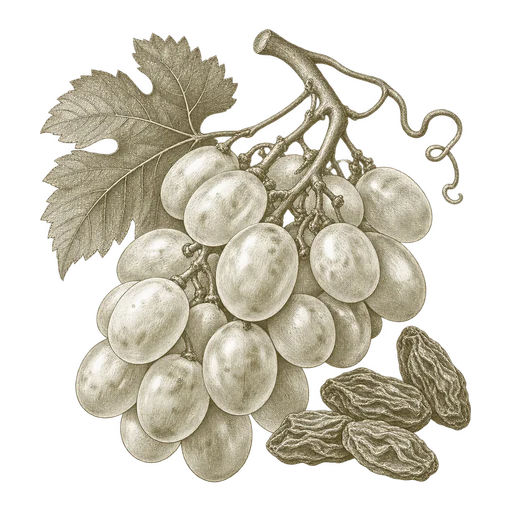
Raisins are dried grapes used in baking, food manufacturing, confectionery and culinary products. Specify grape category, seed status, drying treatment and preparation to match the fruit to your process.
Explore ingredientBulk food ingredient logistics vary with product form, packaging and transport method. This topic spans dry grains and pulses, powders, oil, dried fruit and produce, including raisins, rice, safflower oil and zucchini. Buyers should identify the exact offered form and align packaging, transport conditions and receiving capability with that lot.
Raisins are dried grapes used in baking, food manufacturing, confectionery and culinary products. Specify grape category, seed status, drying treatment and preparation to match the fruit to your process.
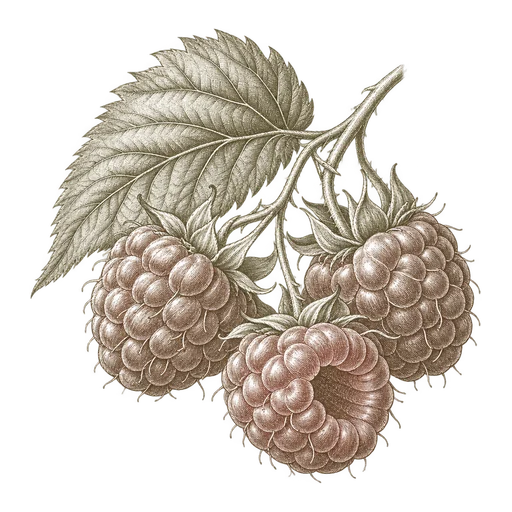
Explore ingredientBulk raspberries can mean frozen whole fruit or a distinct processing by-product such as raspberry pomace. Identify the form first, then compare quality criteria or analysis suited to its intended use.
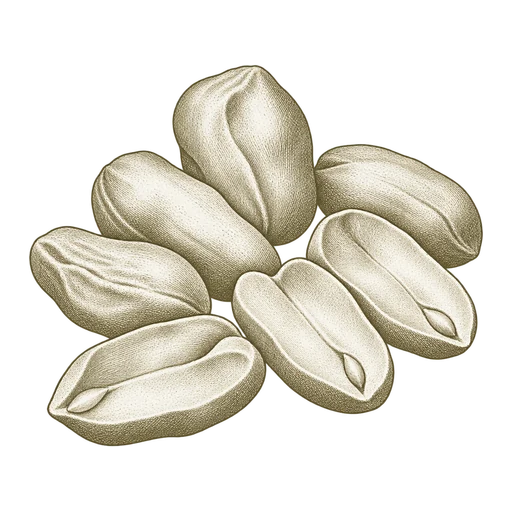
Explore ingredientRaw peanut hearts is an ambiguous trade description: it can refer to the peanut embryo or be used without clearly distinguishing it from intact kernels. Define the exact form, processing condition and lot quality before comparing bulk offers or matching the product to a food process.
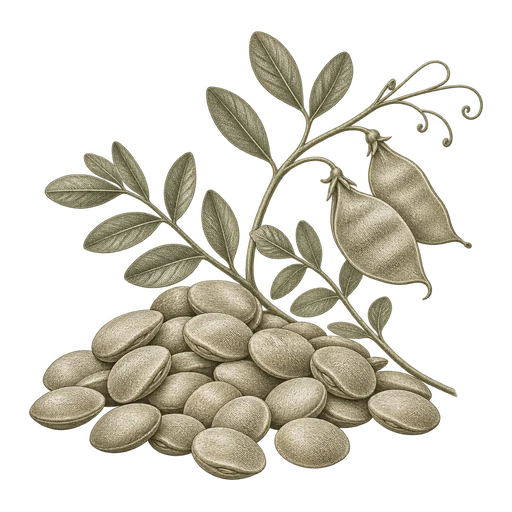
Explore ingredientRed lentils are sold whole, split, or split and dehulled for food processing and, where appropriate, feed use. Compare the physical form and quality factors such as moisture, foreign material, damage and color to match the order to its intended use.
Explore ingredientRice is sourced in distinct forms—from rough, brown and milled kernels to broken rice and milling co-products such as bran. Identify the form, intended use and relevant quality measures to compare bulk offers appropriately.
Explore ingredientRice protein is a protein-rich ingredient extracted from rice-derived material and supplied as a powder. Compare feedstock, processing, protein reporting basis and solubility against the intended food or animal-food application.
Explore ingredientRoasted pickouts is an imprecise name for roasted peanut material, not a defined grade. Clarify kernel form, skin content, processing, additives and lot-specific quality information before matching a bulk purchase to food processing or another intended use.
Explore ingredientSafflower oil is a seed-derived oil used in cooking and food manufacturing. Compare conventional and high-oleic profiles, processing method and lot analysis to match the oil to your formulation.
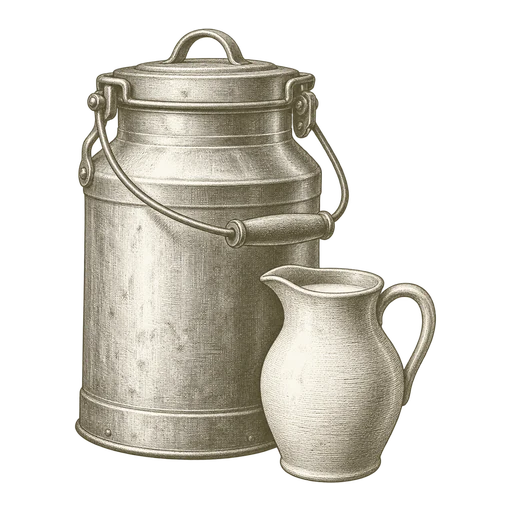
Explore ingredientA milk-based powder for commercial food manufacturing.
Explore ingredientSoy protein isolate is a highly refined soy ingredient used for protein enrichment and functional roles in formulated foods. Compare the intended grade, lot analysis and application-specific functionality before arranging a bulk order.
Explore ingredientSplit yellow peas are dehulled, split smooth yellow dry peas used as a food commodity and milled into flour for food formulations. Choose the form around the process, then compare relevant physical quality, analysis and receiving requirements.
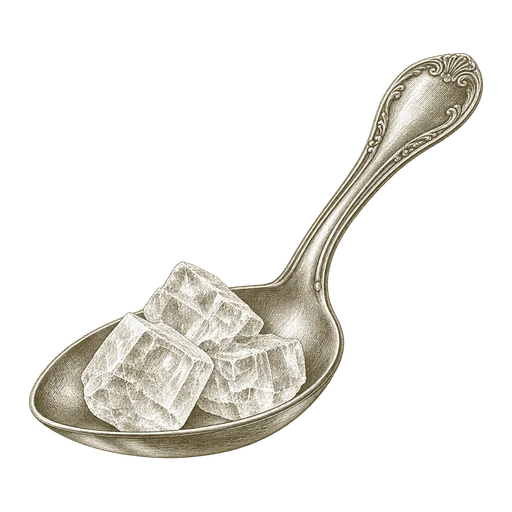
Explore ingredientSucrose is a cane- or beet-derived sweetener sold in crystalline and liquid product forms. Match the form to your process, then compare the relevant composition and quality measures before arranging a bulk shipment.
Explore ingredientWhole milk powder is a concentrated dairy ingredient used in bakery, confectionery, dry mixes, sauces and beverages. Compare regular and instantized forms, composition and reconstitution properties to match the powder to your food process.
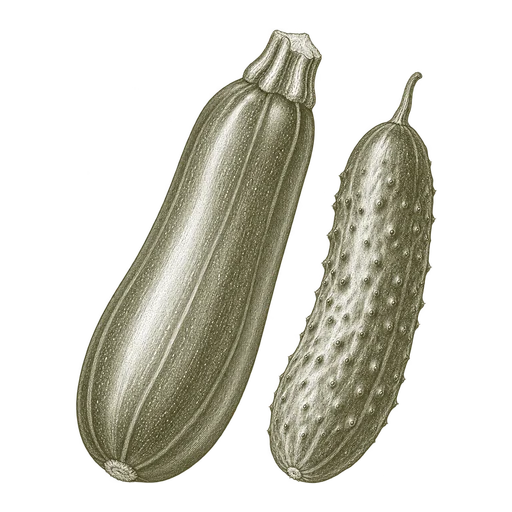
Explore ingredientZucchini is an immature summer squash used in human-food products as fresh fruit, frozen or canned slices, and dried pieces. Choose the form, maturity or cut, and handling requirements to fit the recipe and receiving setup.
Explore ingredientThis topic brings together dry grains and pulses, powders, oil, dried fruit, and produce. Rice, red lentils and split yellow peas are distinct from rice protein, skim milk powder, soy protein isolate and sucrose in physical form and handling needs. Safflower oil requires a liquid-transport plan, while raisins are dried fruit. Raspberries and zucchini need clarification: fresh, frozen, dried and other forms can have different transport requirements.
Other names need the same care. “Roasted pickouts” does not specify the exact product form or pack. Confirm the offered product and its specification rather than planning freight from a category name alone.
Ask for the pack format and net weight, including whether the load is in bags, cases, totes, drums or bulk equipment, and whether it is palletized. Packaging that works for one dry ingredient may not suit another powder, oil or produce item. Confirm any product-specific temperature conditions for loading, transit and receipt; do not assume every ingredient is shelf-stable or requires refrigeration.
For bulk liquid transport, ask about food-contact suitability, equipment sanitation and prior cargo. For other loads, clarify how cleanliness and cross-contact risks are managed. These details, along with lot identifiers and available shipment records, help connect the product specification to the transport plan.
Check that the receiving site can unload the offered pack or transport configuration, and agree on inspection steps for packaging and lot identification. Dry ingredients, liquid shipments and temperature-controlled goods may require different equipment and storage arrangements. Confirm the lot-specific commercial and handling terms before committing to a shipment.
No. Dry grains, fine powders, oils and produce differ in physical form and handling needs. Match the transport equipment and packaging to the specific product and offered lot.
The name alone does not establish the requirement. Confirm whether each is fresh, frozen, dried or otherwise processed, then ask for the applicable temperature conditions for that product.
Confirm the transport configuration, food-contact suitability, sanitation procedures and prior-cargo controls. Also establish whether the specific lot has temperature or other handling requirements.
Confirm the product form, pack type and net weight, unloading or transfer setup, any temperature conditions, and the lot identifiers that will accompany the shipment.
Focused guides to the specification, application, and delivery questions behind this ingredient.
Fresh, frozen, canned and dried zucchini call for different receiving and storage plans. Match packaging, unloading and destination storage to the selected form, and follow the specific offer’s instructions rather than assuming a guaranteed shelf life.
Read this InsightA practical guide to matching dried zucchini cut size, moisture information and preparation to the recipe and finished texture required in soups, stews and casseroles.
Read this InsightA form-specific guide to comparing fresh, cut and dried zucchini quality, including maturity, condition, cut dimensions and moisture considerations.
Read this InsightPlan a bulk whole milk powder order around your facility’s receiving capacity, the package actually offered and manufacturer handling guidance. Prepare for unloading, protect the dry powder from moisture, and rotate stock according to product-specific instructions.
Read this InsightChoosing regular or instantized whole milk powder for a beverage or dry mix starts with how the finished product meets liquid. Compare dispersibility information and evaluate the offered powder under the intended mixing conditions.
Read this InsightCompare whole milk powder analysis on matching reporting bases and test methods. Learn how to read fat, protein, moisture and solubility results—and distinguish specification limits from lot-specific COA values.
Read this Insight